Open-Source AI Models Disrupt Pricing Models of Major Tech Firms
Open-source AI models are pressuring proprietary providers by offering inference services at prices 50–90% lower than standard industry APIs.

Open-source AI models are pressuring proprietary providers by offering inference services at prices 50–90% lower than standard industry APIs.

Anthropic reports strong gross margins from its inference services, driven by pricing strategies and improved operational efficiency, as market participants monitor future funding and partnerships.

SemiAnalysis estimates that Anthropic's inference business could achieve 88% margins, driven by an API-first strategy that prioritizes paid usage over free-tier scaling.

CoreWeave has launched its Forge platform and RL Rollouts capability to optimize AI inference and accelerate agentic model development.

Selectel has expanded its AI platform with new inference services, offering businesses pay-per-token access to open-weight models and infrastructure for deploying proprietary solutions.
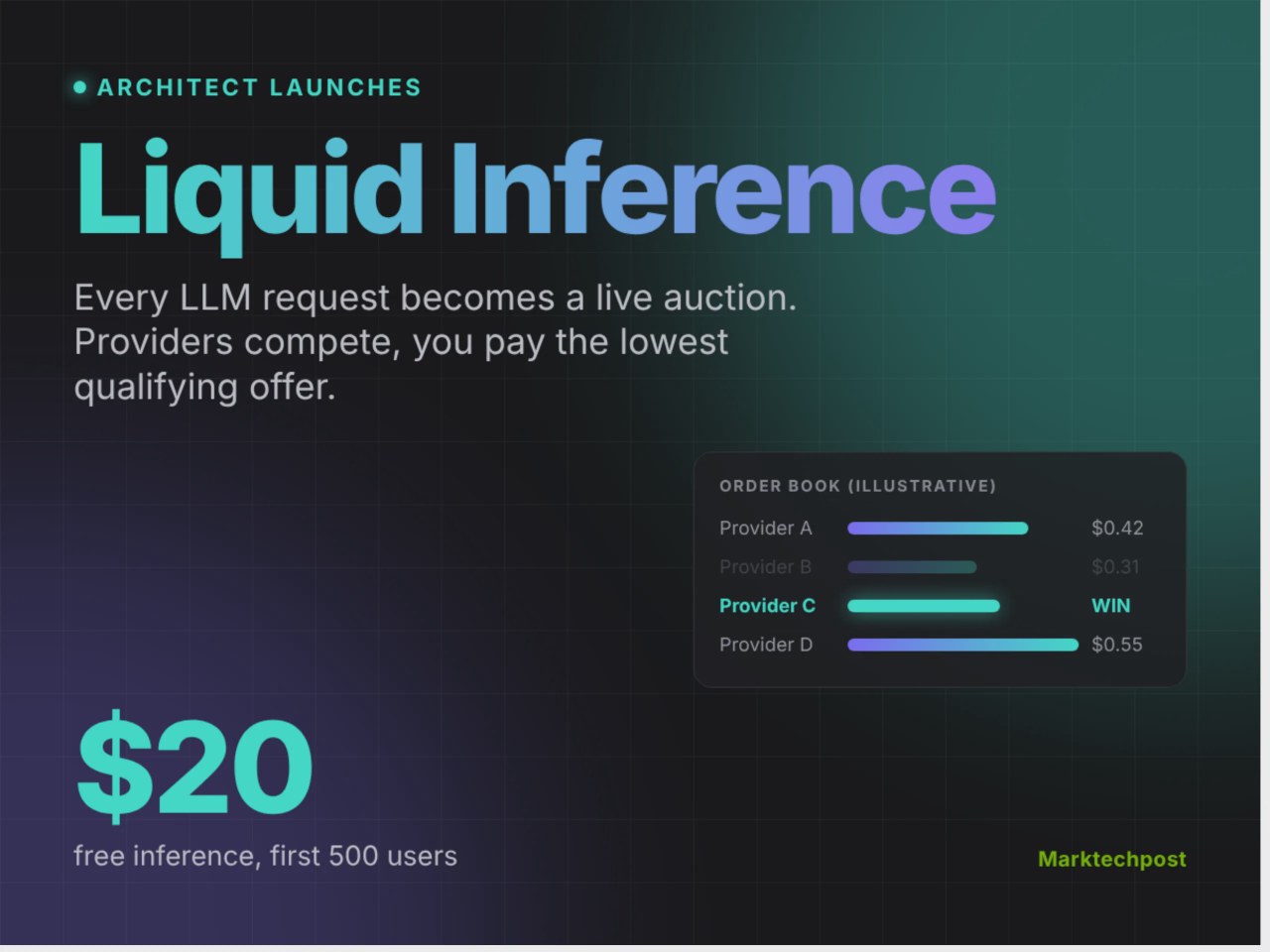
Architect has launched Liquid Inference, a real-time auction platform that applies financial exchange mechanics to the market for large language model inference.

A Red Hat performance test reveals that while round-robin and prefix-aware routing show similar RPS, the latter reduces p95 time to first token by 2.7 times for LLM inference.

Red Hat tests reveal that standard round-robin load balancing increases TTFT latency by 2.7 times compared to prefix-aware routing for LLM inference on GPUs.

Cline Bot Inc. is scaling its open-source AI coding harness to support general-purpose tasks, reporting a 20x increase in token consumption over the last four months.

Modern LLM architectures optimize performance by combining KV cache compression techniques like MLA and GQA with sparse attention mechanisms to handle long context windows efficiently.

NEAR AI Cloud has integrated Anthropic’s Claude Sonnet 5.5, offering developers a 1 million token context window and a 7x performance improvement in coding tasks.

General Compute is integrating Cerebras wafer-scale chips with Nvidia GPUs to create a hybrid architecture aimed at reducing AI inference latency by early 2027.

Modern AI hardware performance is increasingly limited by memory bandwidth, prompting experts to suggest that Russian developers focus on specialized inference accelerators rather than universal GPUs.

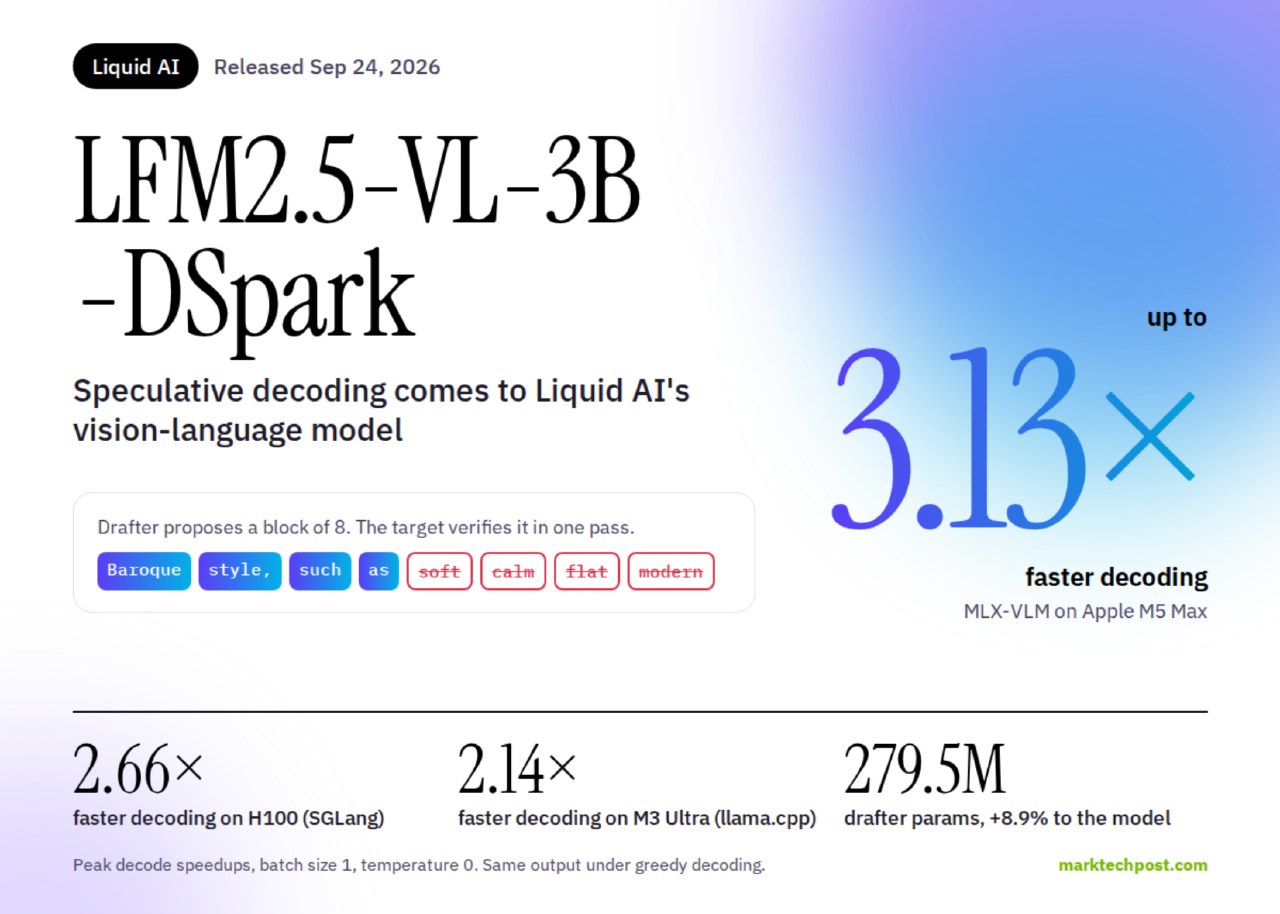
Liquid AI has launched LFM2.5-VL-3B-DSpark, a vision-language model that utilizes speculative decoding to achieve up to 3.13x faster inference speeds.

CoreWeave is scaling its specialized AI cloud infrastructure, reporting a $104 billion revenue backlog and validating the new Nvidia Vera Rubin NVL72 platform for agentic AI.

Yandex Research is exploring new methods to improve LLM interactivity by treating the KV-cache as an active agent state during inference.

Modal, Fireworks AI, and Baseten are providing hosted inference for Moonshot AI’s Kimi K3 at a fraction of the original cost using restricted US-made GPU hardware.

Marshall Choy of Rebellions Inc. argues that AI inference must transition from a premium, scarce capability to a commoditized, affordable utility to drive mass adoption and business value.

Chinese AI providers are shifting from token-based pricing to task-based models as the market moves away from simple price wars.

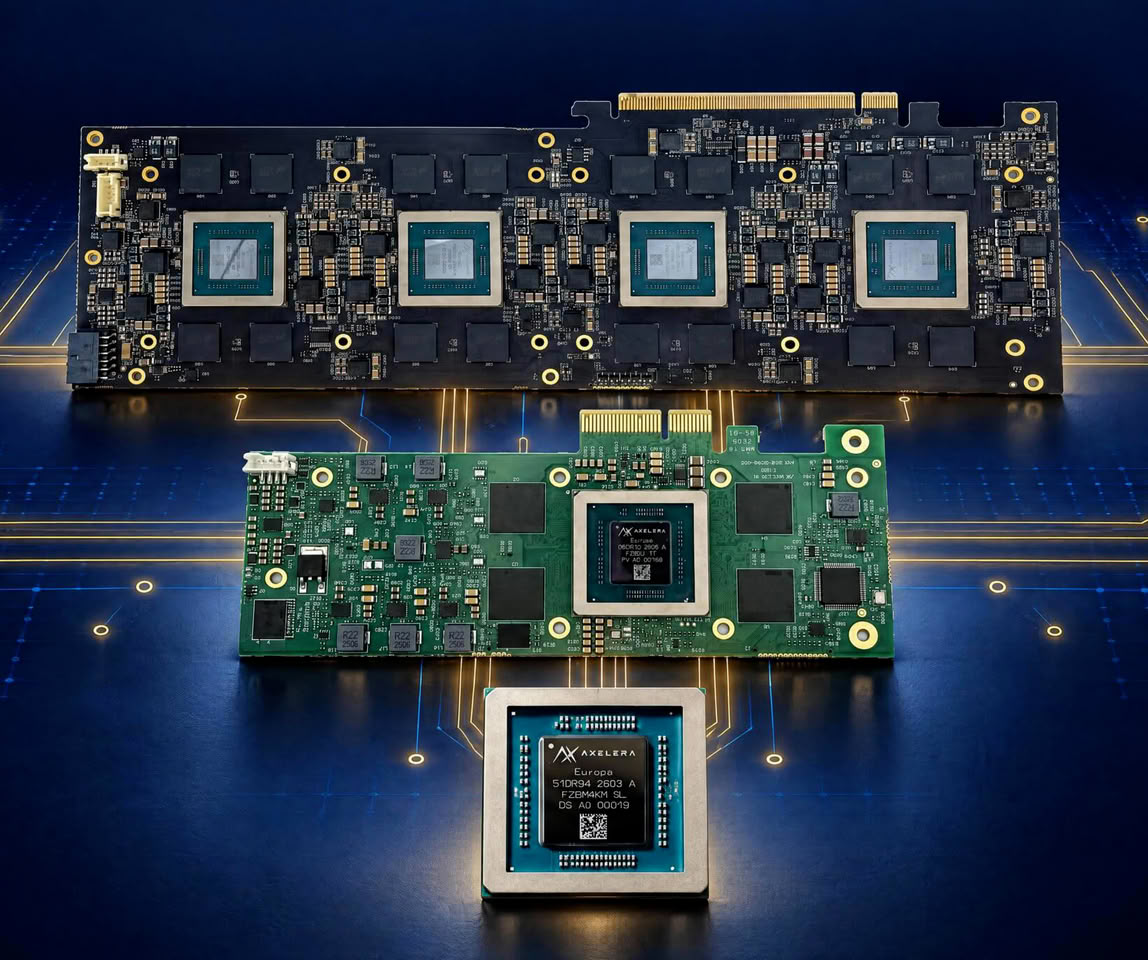
Axelera AI has launched its Europa AI Processing Unit architecture, offering up to 629 TOPS per chip and targeting inference workloads for generative AI and vision models.