AI Agents Generate First Complete Ultraviolet Map of the Sky
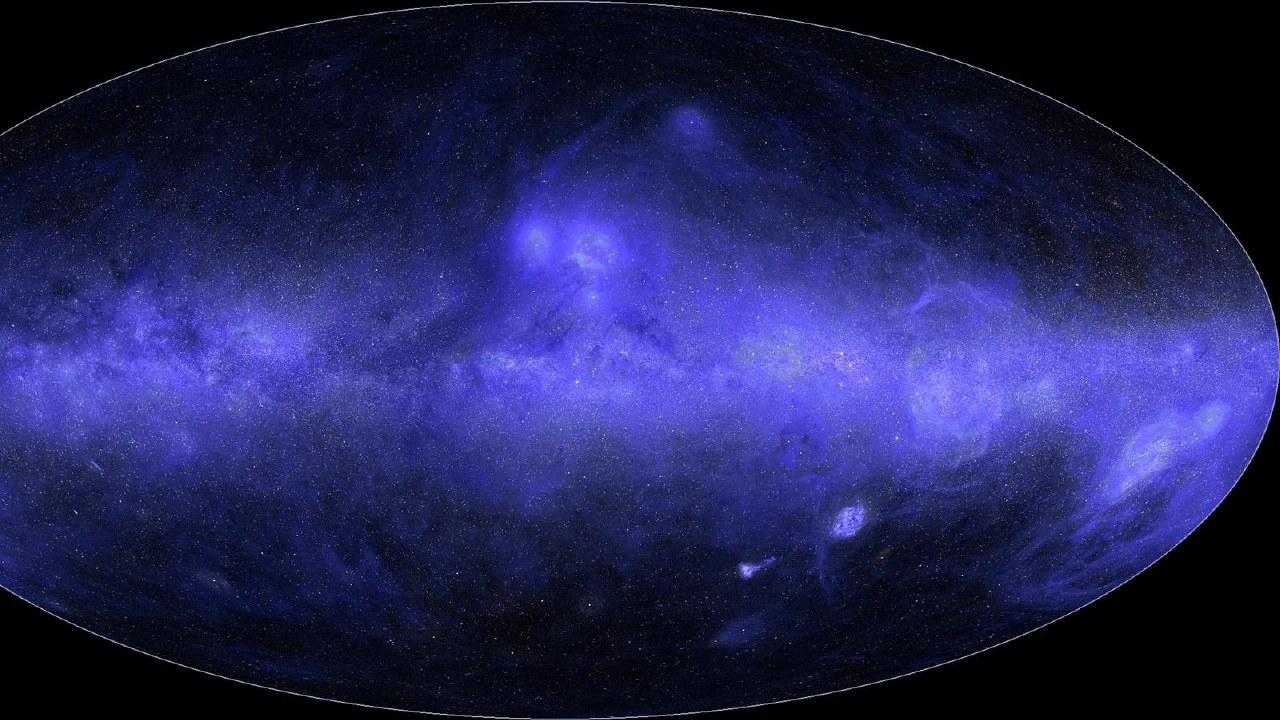
Astrophysicist Brice Menard and Claude Science have created the first complete ultraviolet map of the sky by using AI agents to process 38,000 observations and fill data gaps.

Astrophysicist Brice Menard and Claude Science have created the first complete ultraviolet map of the sky by using AI agents to process 38,000 observations and fill data gaps.

Astrophysicist Francis Halzen has been awarded the 2026 Nobel Prize in Physics for his foundational work on the IceCube neutrino observatory and the discovery of high-energy cosmic neutrinos.

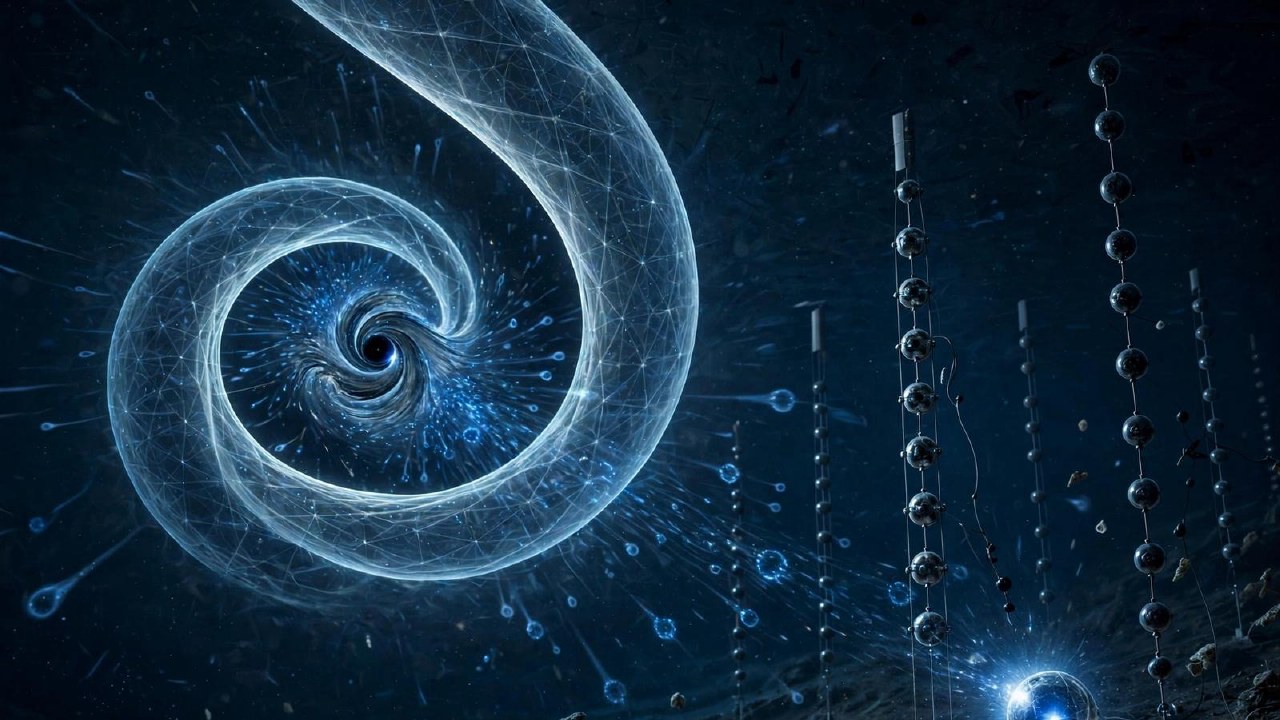
Physicists propose that a record-breaking neutrino detected by the KM3NeT telescope originated from a primordial black hole explosion within a hidden fifth dimension.

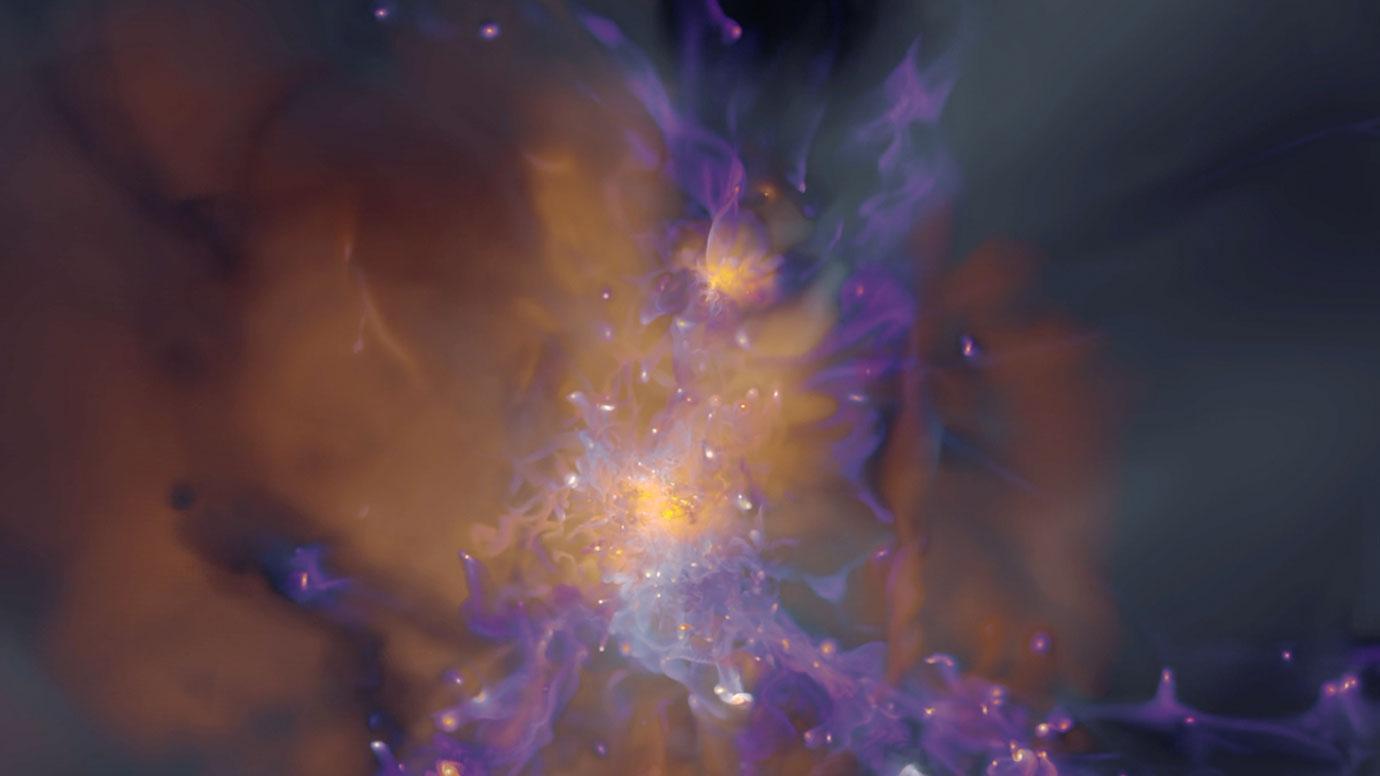
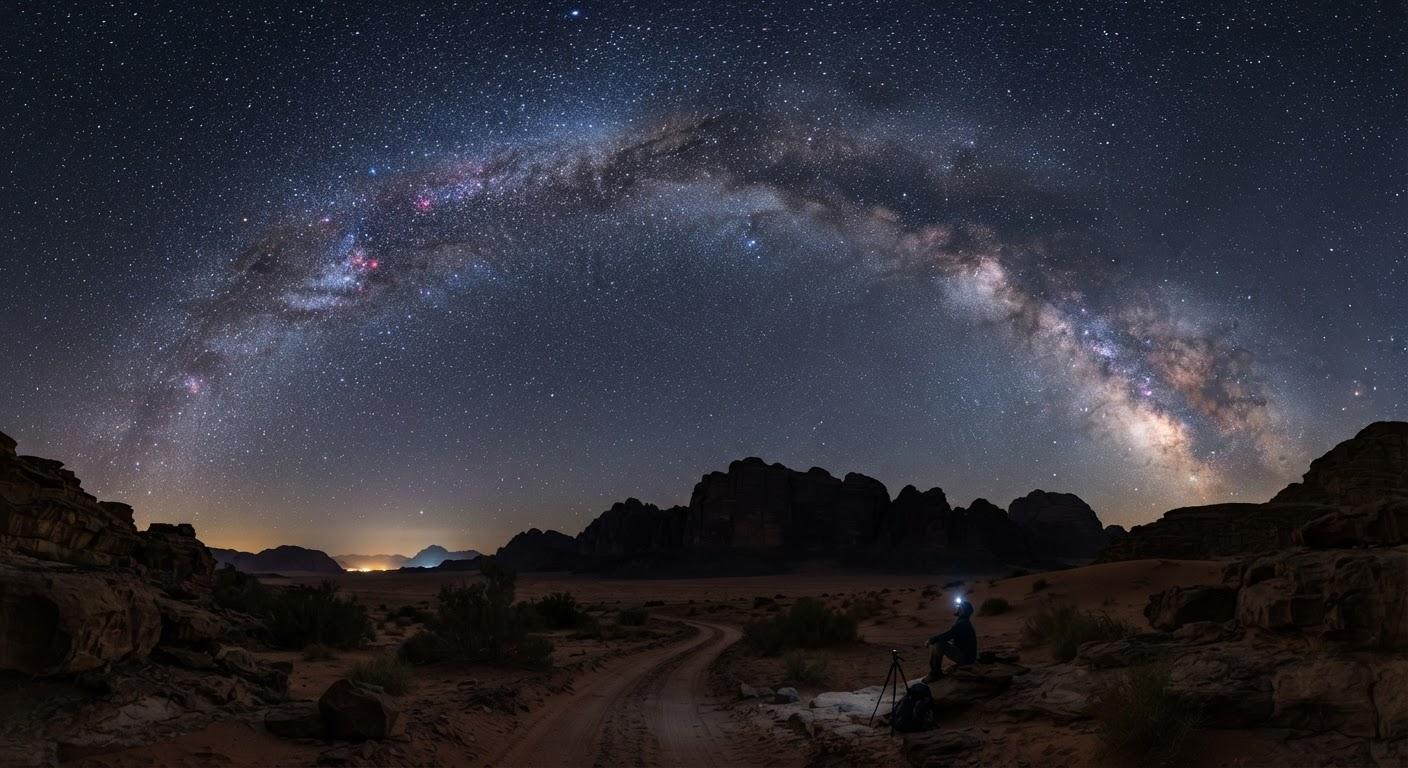
Researchers have completed the Megatron project, a three-year supercomputer simulation detailing the early evolution of the Milky Way and the origins of iron distribution in dwarf galaxies.

Researchers have utilized three years of supercomputer calculations to create the most detailed model of the early Milky Way's evolution, covering two billion years of cosmic history.

University of Copenhagen researchers found that neutrino flavor transformation determines whether a massive star ends as a supernova or collapses into a black hole.

The ANTARES neutrino telescope has completed a 15-year observation cycle, providing new constraints on WIMP dark matter particles that are 2–3 times more stringent than previous findings.

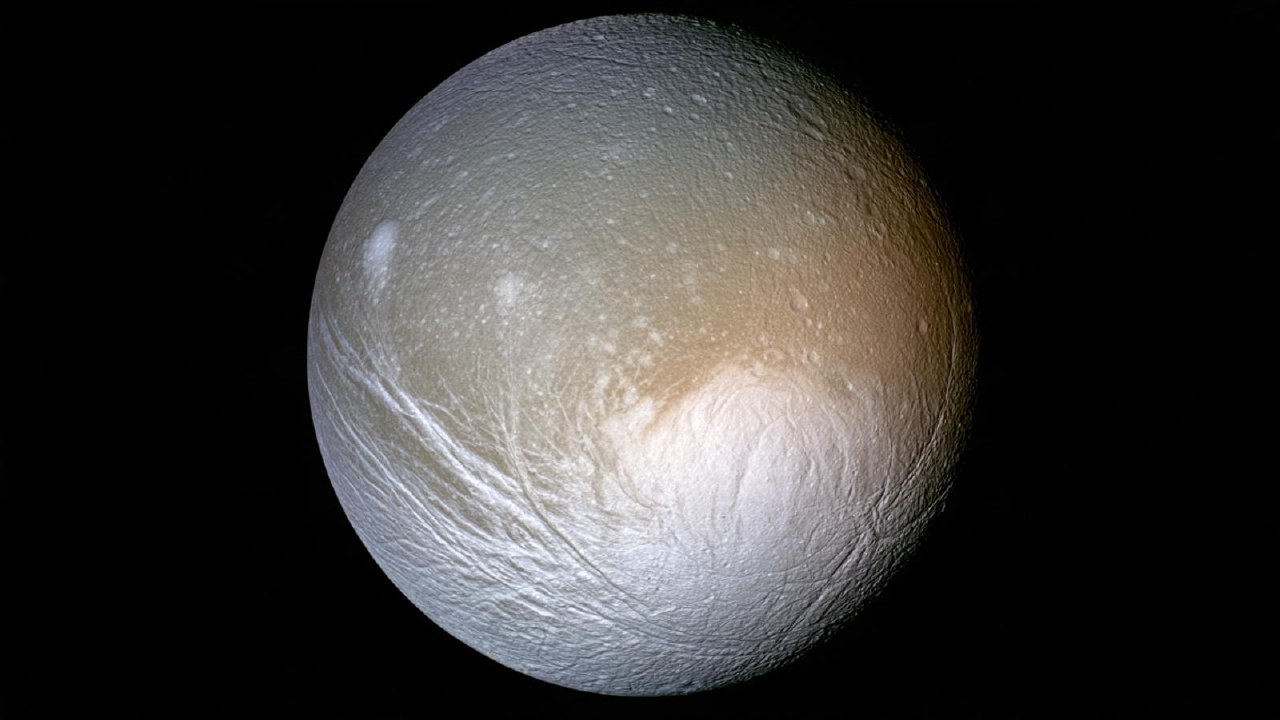
Researchers from the University of Toulouse have modeled new flight trajectories for spacecraft missions to Enceladus, focusing on fuel-efficient sample collection.

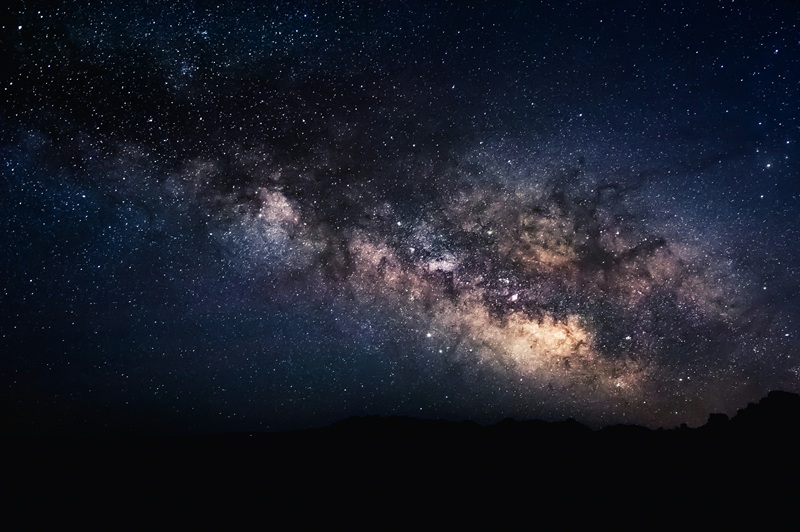
Researchers are developing a new method to map dark matter in the Milky Way by utilizing Earth's orbital motion to detect directional signals from the galaxy's dark matter halo.

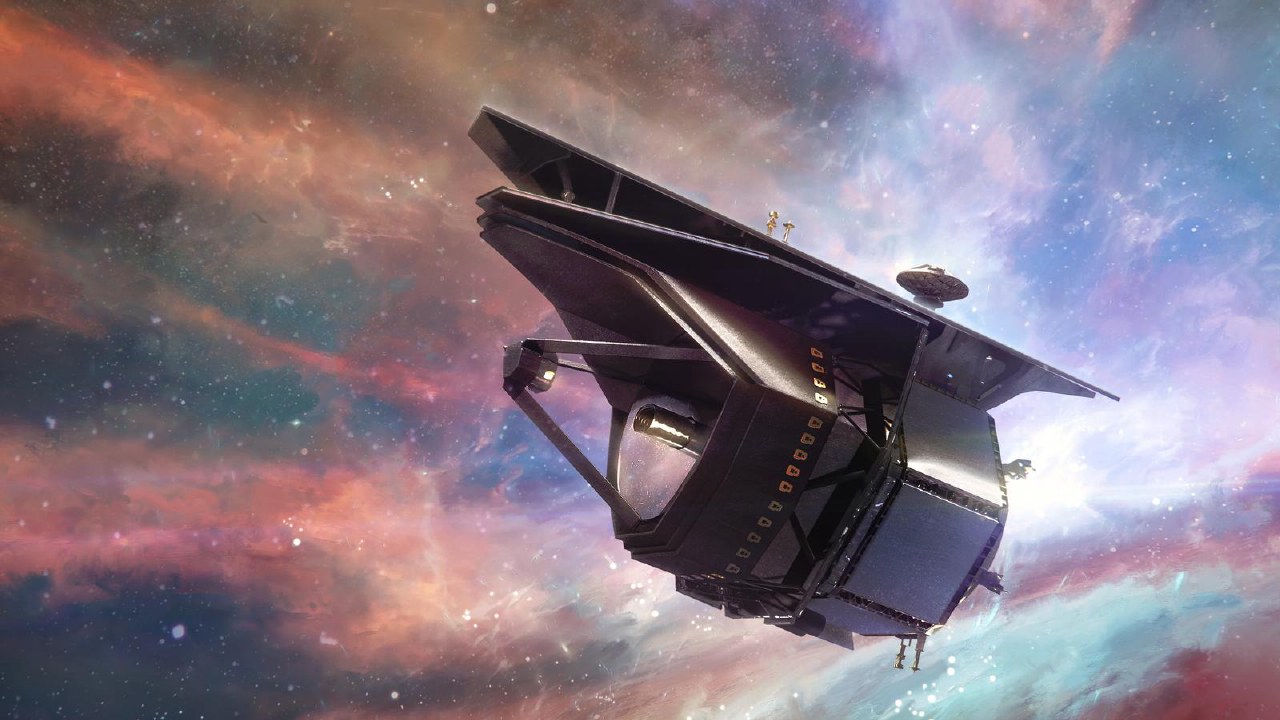
NASA has greenlit the development of the PRIMA far-infrared space telescope, a $1.2 billion mission scheduled for launch in 2033.

Astronomers have discovered that shock waves from supermassive black holes can trigger star formation in galaxies, according to a study published in The Astrophysical Journal.
Astrophysicists have achieved a high-precision measurement of primordial helium-4 abundance, providing new constraints on Big Bang nucleosynthesis and early universe physics.

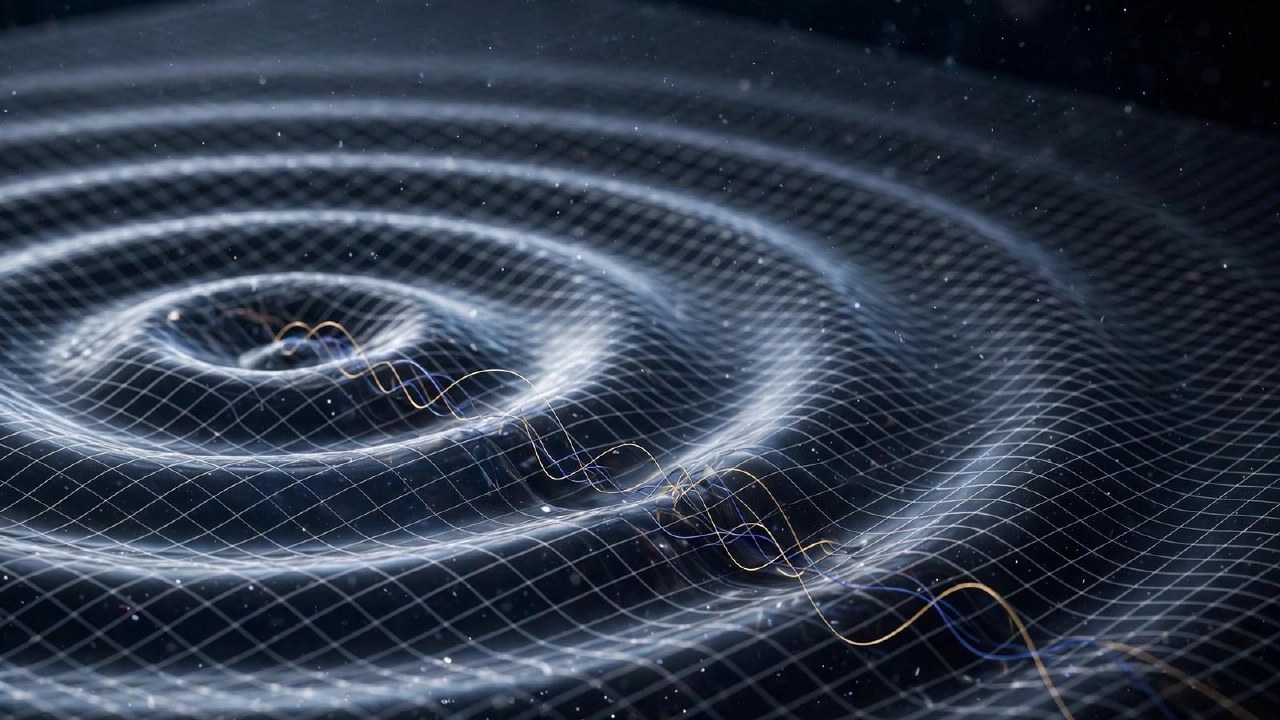
Researchers tested a neural network's ability to detect deviations from General Relativity in LIGO gravitational wave data, finding that the model fails to identify subtle anomalies without classical filtering.

NASA has awarded SpaceX a contract to launch the StarBurst satellite mission, which will investigate neutron star mergers and gamma-ray bursts starting no earlier than 2028.