

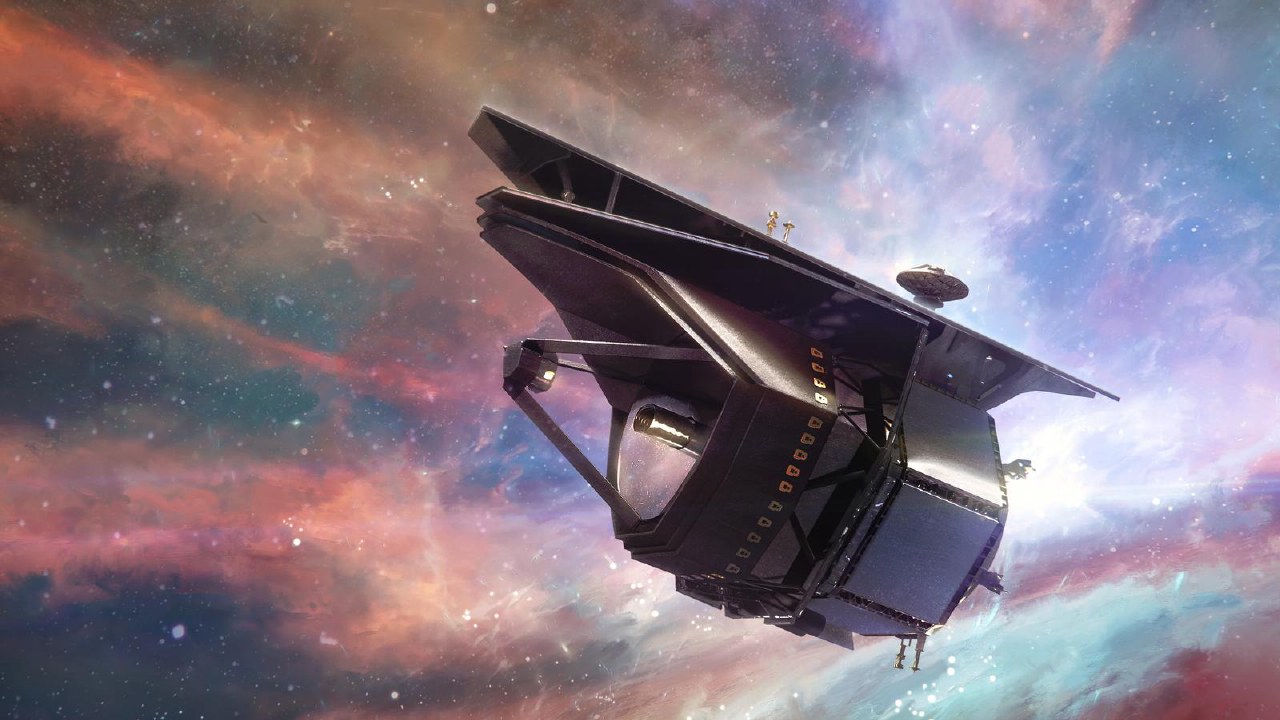
NASA has officially transitioned the PRIMA mission into Phase B, marking the start of preliminary design and technology development. This project represents the inaugural mission within the new Probe Explorers class, established under the agency's long-standing Explorers program. The initiative follows recommendations from the 2020 Decadal Survey on Astronomy and Astrophysics.
The telescope features a 1.8-meter mirror designed to conduct sensitive surveys in the far-infrared spectrum. This range currently remains a gap between existing observatories like the James Webb Space Telescope and various radio telescopes. PRIMA aims to investigate the formation of stars, planets, black holes, and the origins of water, with a budget capped at $1.2 billion excluding launch costs.
The project is managed by NASA's Jet Propulsion Laboratory, with support from the Goddard and Marshall Space Flight Centers. International collaboration is a key component, involving seven partners: space agencies from France, Italy, Germany, Canada, South Korea, Japan, and the United Kingdom. The mission is scheduled for launch in 2033, with a primary operational lifespan of 5 years.



