Enceladus Shows Higher Potential for Life Detection
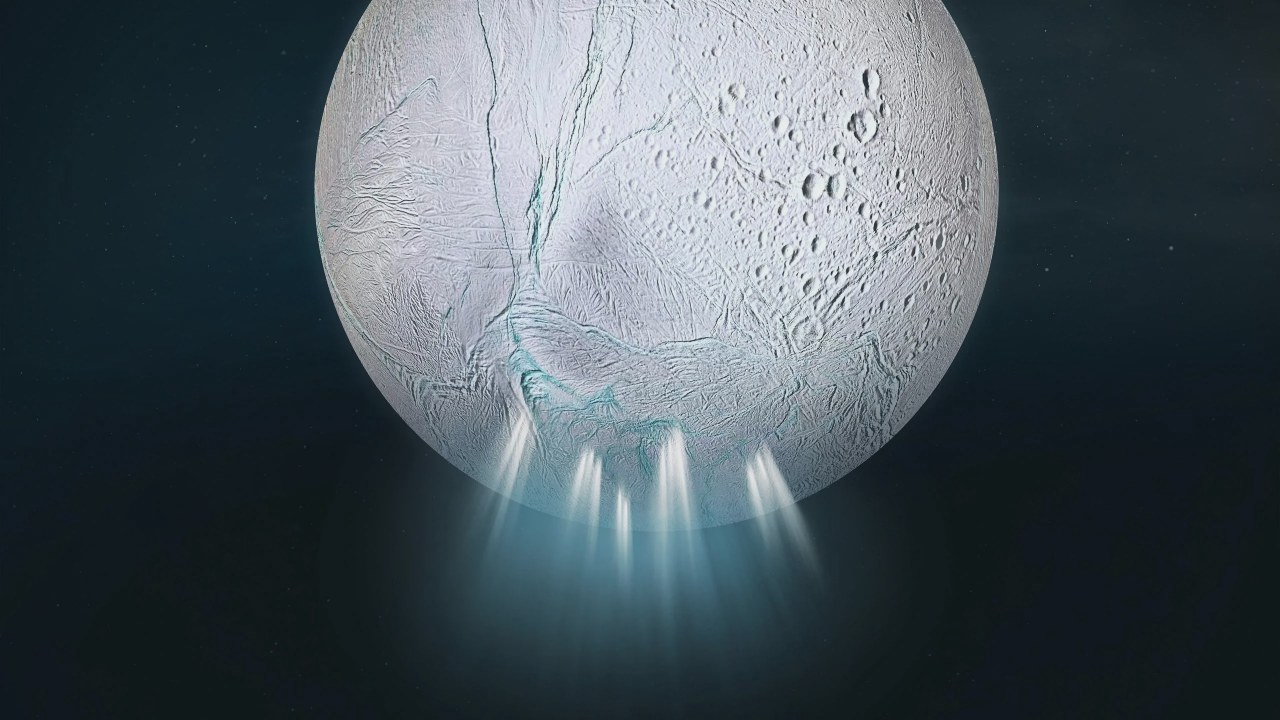
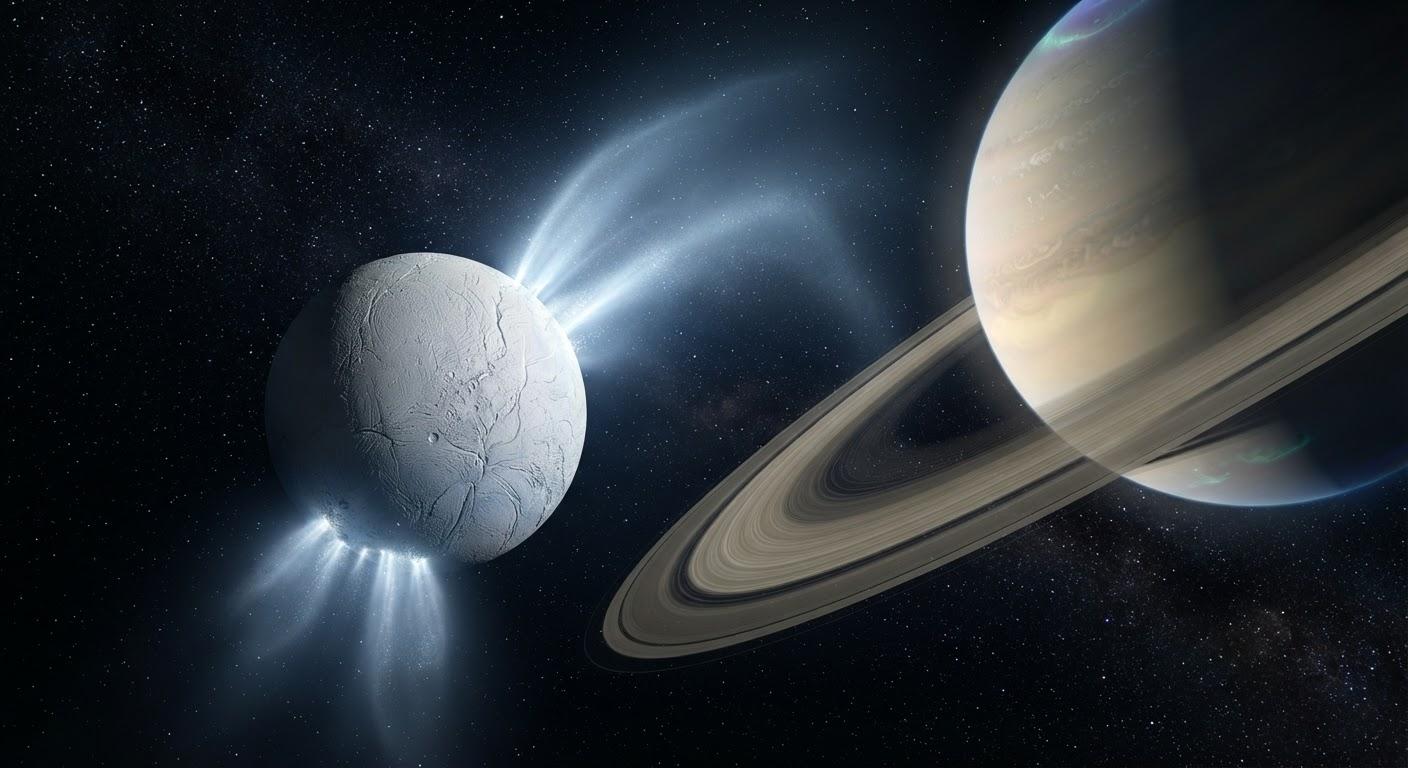
New research indicates that Saturn's moon Enceladus possesses a natural mechanism for concentrating ocean samples, making the detection of biological signatures more feasible.

New research indicates that Saturn's moon Enceladus possesses a natural mechanism for concentrating ocean samples, making the detection of biological signatures more feasible.

New research suggests that ice plumes on Saturn's moon Enceladus naturally concentrate chemical samples, potentially simplifying the search for microbial life.

New research suggests that ice plumes on Saturn's moon Enceladus naturally concentrate biological material, potentially simplifying the search for life for future space missions.

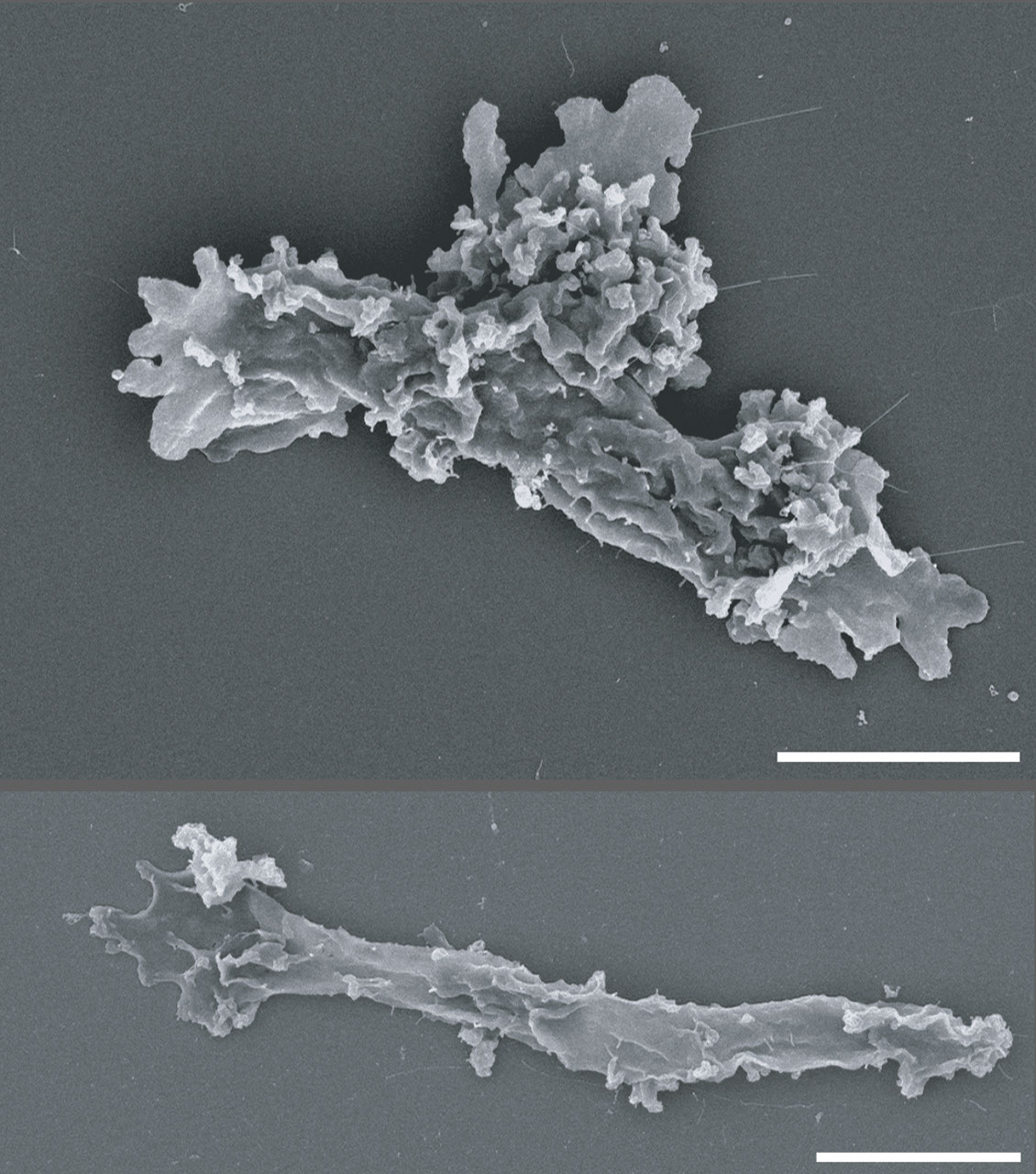
NASA-funded researchers discovered an amoeba that survives at record-breaking temperatures, challenging existing limits for complex life and aiding the search for extraterrestrial organisms.

NASA-funded researchers have discovered a heat-resistant amoeba that survives at temperatures up to 64 degrees Celsius, challenging existing limits for complex life.