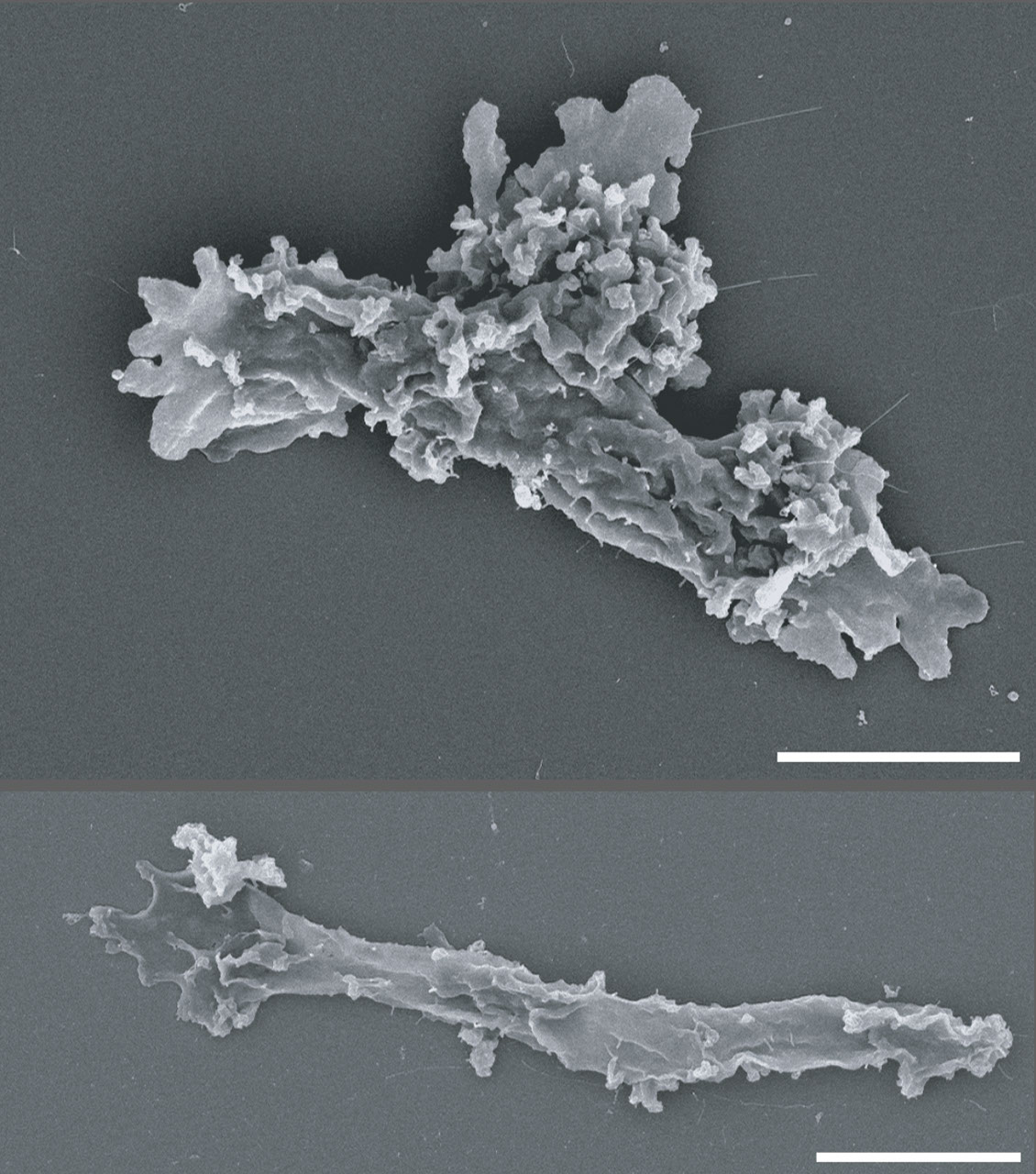
Researchers supported by NASA have identified a new organism, Incendiamoeba cascadensis, capable of surviving at temperatures previously considered impossible for complex life. This amoeba, found in California’s Lassen Volcanic National Park, reproduces at 63 degrees Celsius and remains active while searching for food at temperatures up to 64 degrees Celsius.
The findings, published in the journal Cell, challenge the previous upper temperature limit for eukaryotes, which was set at 60 degrees Celsius by certain fungi and red algae. The study indicates that complex cells may possess greater durability than earlier scientific models suggested, specifically regarding the stability of organelle membranes.
Genetic sequencing of the amoeba revealed specific mechanisms for survival, including genes that stabilize DNA and maintain protein folding. The research team also identified similar DNA sequences in geothermal samples from New Zealand and Yellowstone National Park, suggesting that related thermophilic amoebas may exist globally.
Astrobiologists utilize these findings to refine the search for life on other planets. By understanding how extremophiles endure extreme heat, pH levels, and radiation, scientists can better define the environmental conditions under which complex life might persist beyond Earth, although survival remains dependent on a broader ecosystem of resources.