

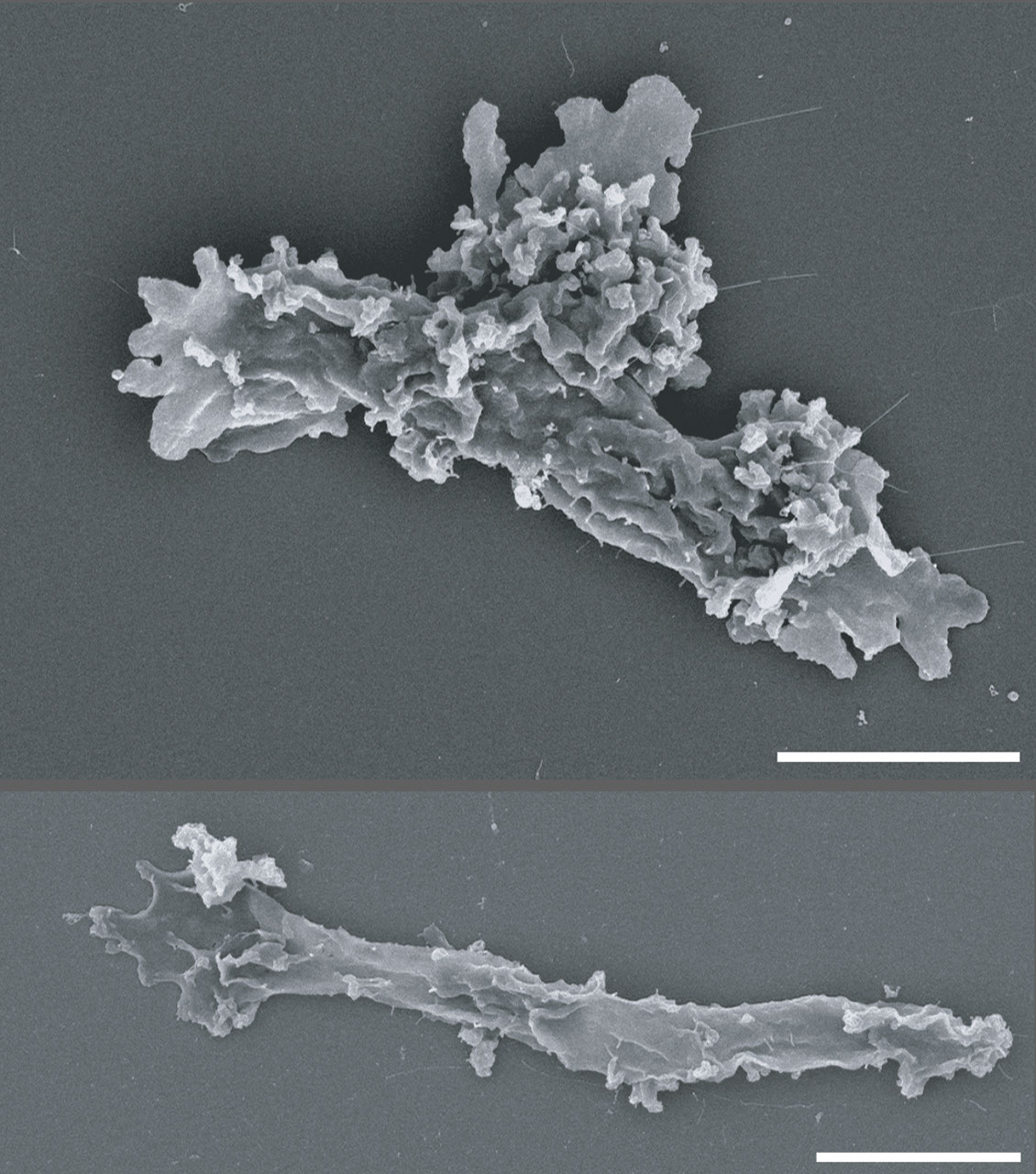
Scientists supported by NASA have identified a new organism, Incendiamoeba cascadensis, capable of surviving at temperatures previously considered impossible for complex life. This amoeba, discovered in California’s Lassen Volcanic National Park, reproduces at 63 degrees Celsius and remains active while searching for food at temperatures reaching 64 degrees Celsius.
The findings, published in the journal Cell, challenge the previous consensus that eukaryotic organelle membranes could not remain stable above 62 degrees Celsius. The previous upper temperature limit for eukaryotes was 60 degrees Celsius, recorded in certain species of fungi and red algae.
Researchers sequenced the genome of the fire amoeba and identified specific genes that assist in stabilizing DNA and maintaining protein folding at high temperatures. The study also noted that some proteins in the organism possess a high positive surface charge, a strategy similar to that observed in thermophilic bacteria and archaea.
Data analysis revealed similar DNA sequences in geothermal samples from New Zealand and Yellowstone National Park, suggesting that related thermophilic amoebas may exist globally. Astrobiologists believe these findings expand the known environmental parameters for complex life, aiding the search for life on other planets.



