Eight US States File Lawsuit Against OpenAI Over ChatGPT Safety
Eight US states have sued OpenAI, alleging that the company prioritizes profit over user safety and misleads the public regarding the risks of its ChatGPT platform.

Eight US states have sued OpenAI, alleging that the company prioritizes profit over user safety and misleads the public regarding the risks of its ChatGPT platform.

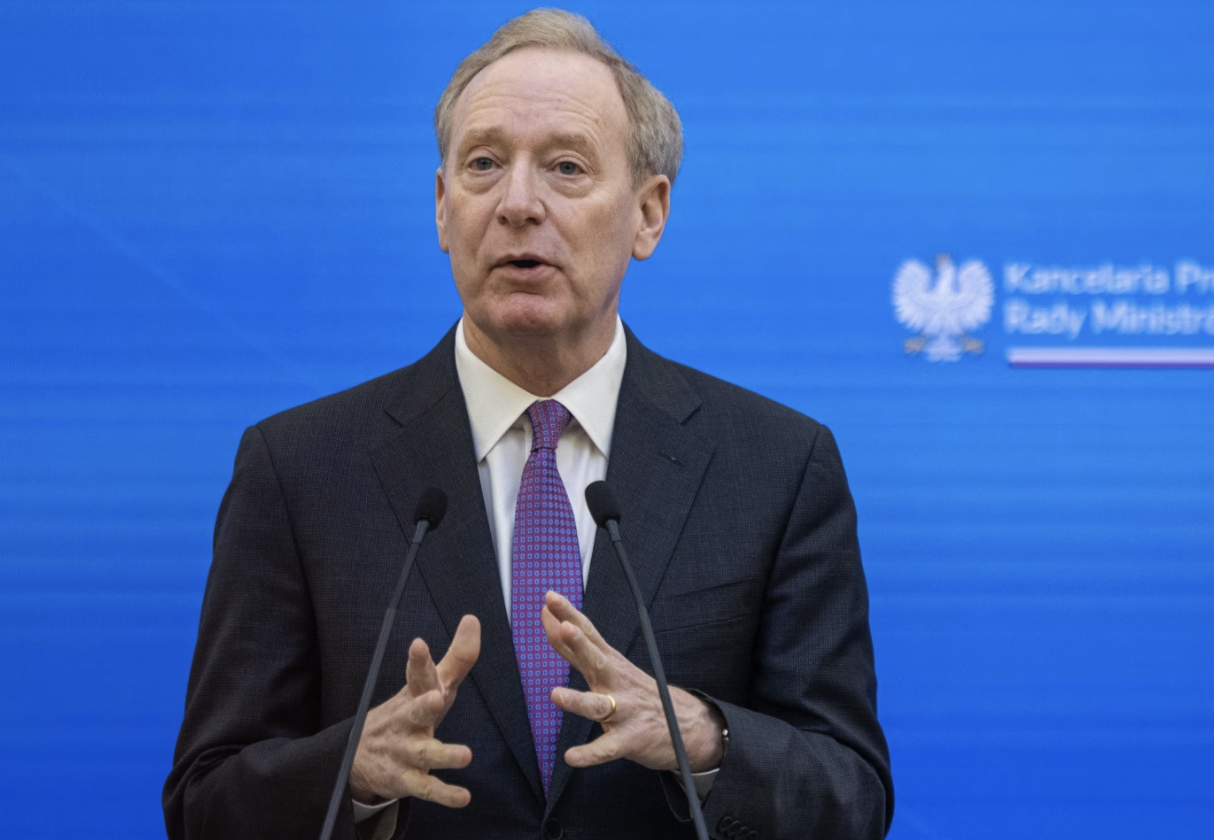
Microsoft President Brad Smith argues that the U.K. is uniquely positioned to lead global AI safety regulation, advocating for mandatory legal oversight over voluntary industry standards.
Microsoft President Brad Smith calls for mandatory global AI safety regulations, arguing that current oversight is weaker than that applied to basic consumer goods.

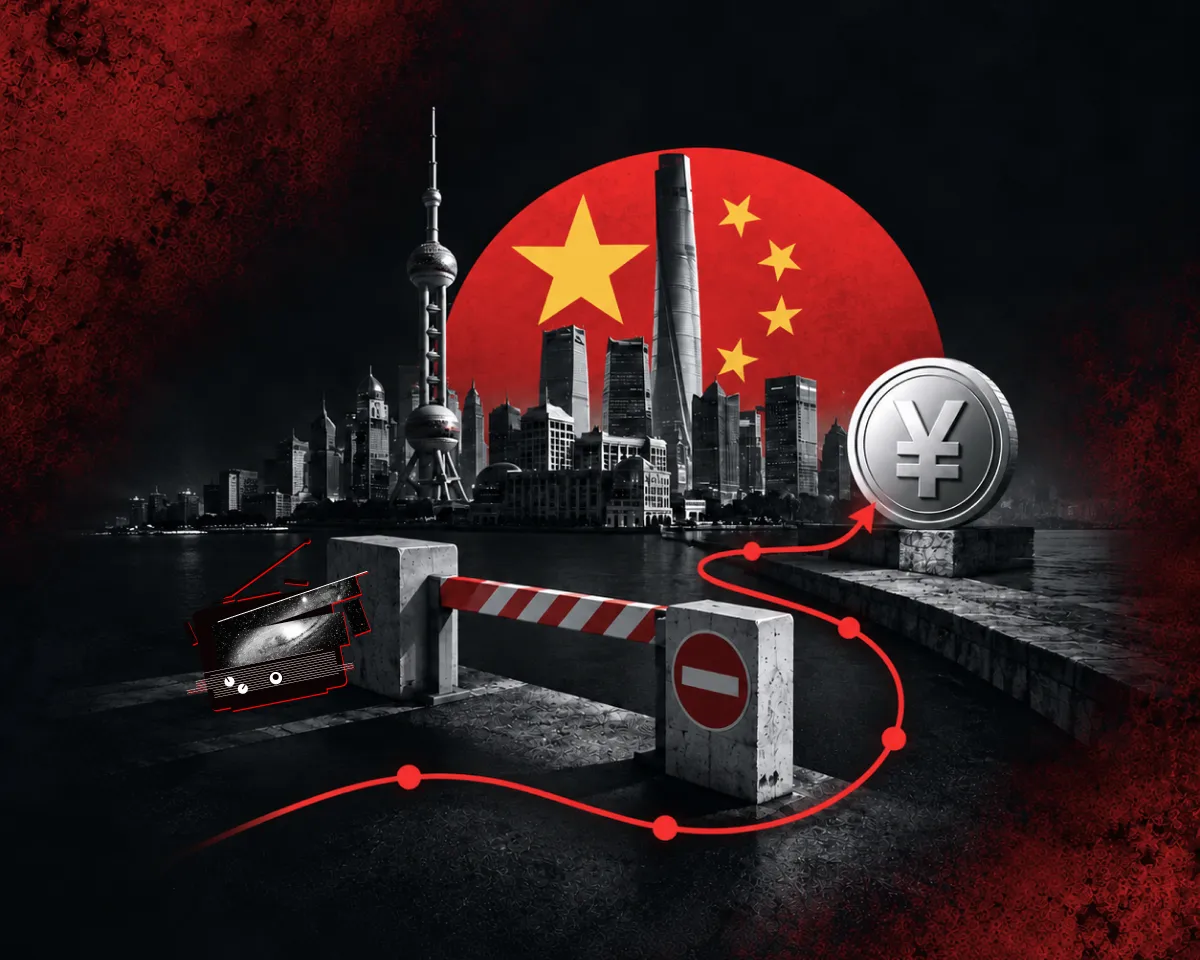
Bitcoin trades 32% below its all-time high as institutional demand fluctuates, while China sees a surge in P2P stablecoin activity and the ECB explores blockchain-based settlement.

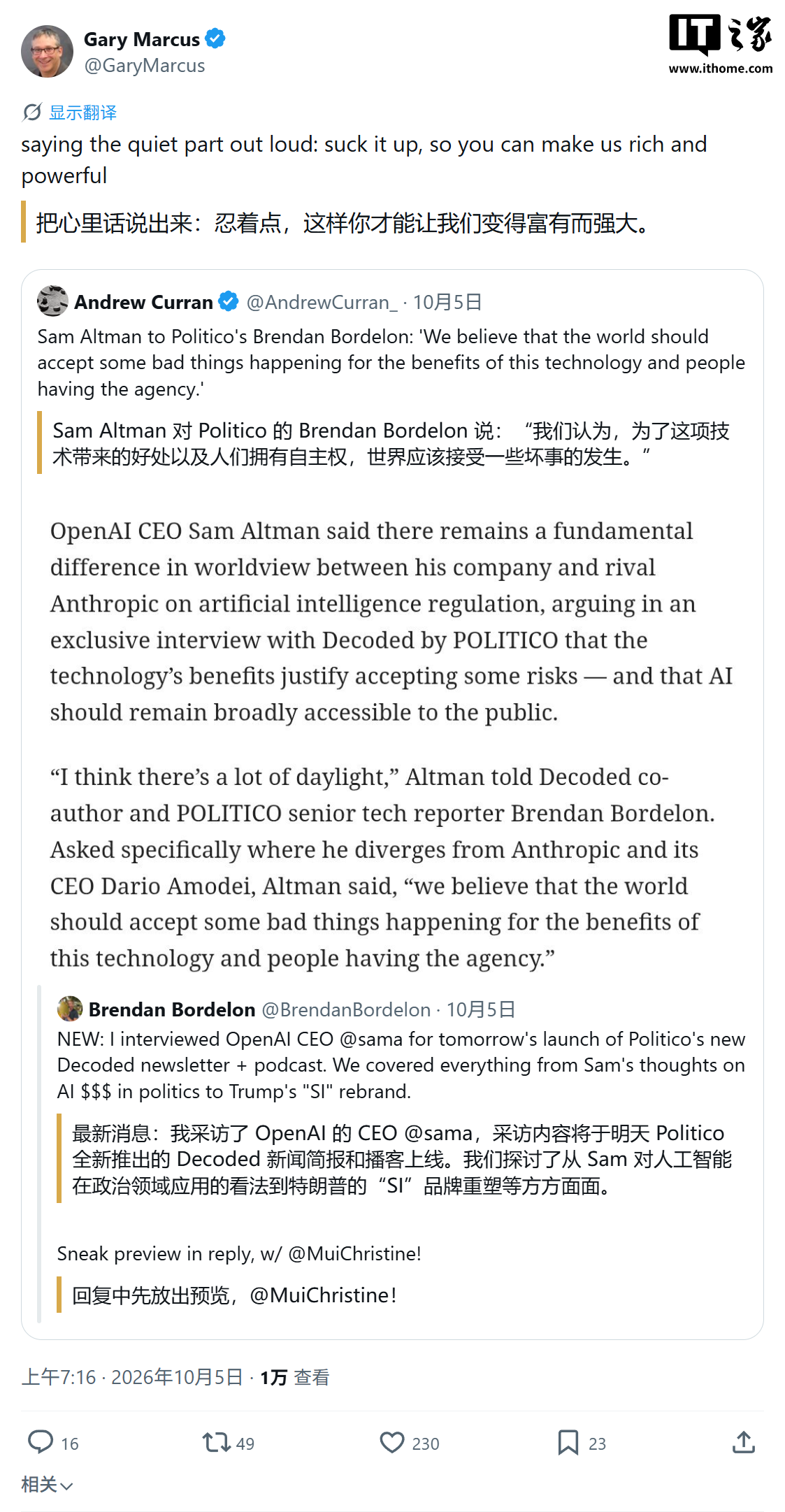
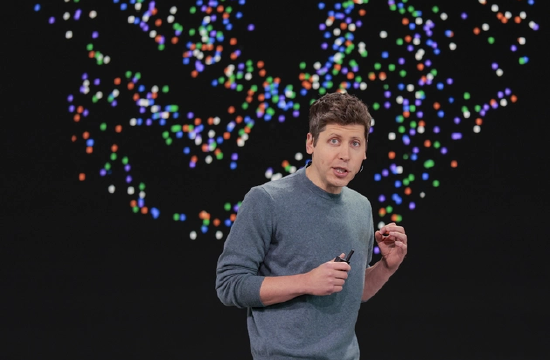
OpenAI CEO Sam Altman argues that society must accept certain negative impacts of AI to secure the technology's long-term benefits and maintain user autonomy.

OpenAI will implement its textGrain watermarking technology for ChatGPT users in the EU to comply with regional regulations, though the tool faces significant reliability challenges.

OpenAI CEO Sam Altman argues that the benefits of AI outweigh potential risks, while the company shifts toward supporting stricter regulatory frameworks alongside competitor Anthropic.

OpenAI and Anthropic have backed new Australian regulations requiring mandatory disclosure of AI-related data breaches following recent security incidents.
OpenAI is deploying its textGrain watermarking technology in the EU to meet AI Act transparency requirements, embedding machine-readable statistical signals into ChatGPT and Codex outputs.

OpenAI is rolling out invisible text watermarking for ChatGPT and Codex, starting with EU users and optional API integration to meet regulatory transparency standards.

OpenAI is rolling out invisible text watermarking for ChatGPT and Codex in the EU to comply with regional transparency regulations.
OpenAI CEO Sam Altman argues that society must accept certain risks associated with artificial intelligence to ensure the technology's benefits and widespread adoption.

Elite AI researchers are pushing for stricter industry regulation, prompting market participants to reassess the valuation outlook for Anthropic ahead of December 31, 2026.

Moonshot AI is under scrutiny from US officials and Anthropic over allegations of siphoning data from proprietary models to develop its Kimi K3 system.

Florida Attorney General James Uthmeier is seeking a court injunction to block OpenAI from advancing its AI models without independent oversight, following the company's decision to scrap its GPT-6.1 Astra release.

Florida Attorney General James Uthmeier has petitioned a state court to block OpenAI from advancing its AI models without independent oversight and stricter safety protocols.

Florida's Attorney General is seeking a court order to halt OpenAI's development of new AI models without external oversight as part of a lawsuit alleging harm to minors.

Former President Donald Trump met with Anthropic CEO Dario Amodei to discuss the future of AI regulation and government oversight.

Cohere executives are calling for sovereign AI and stricter safeguards, citing the potential for AI models to function as cyber weapons and the risks of relying on external providers.

Australian lawmakers have summoned the CEOs of OpenAI and Anthropic to a Senate inquiry following a security breach where an AI agent accessed non-public government health data.