

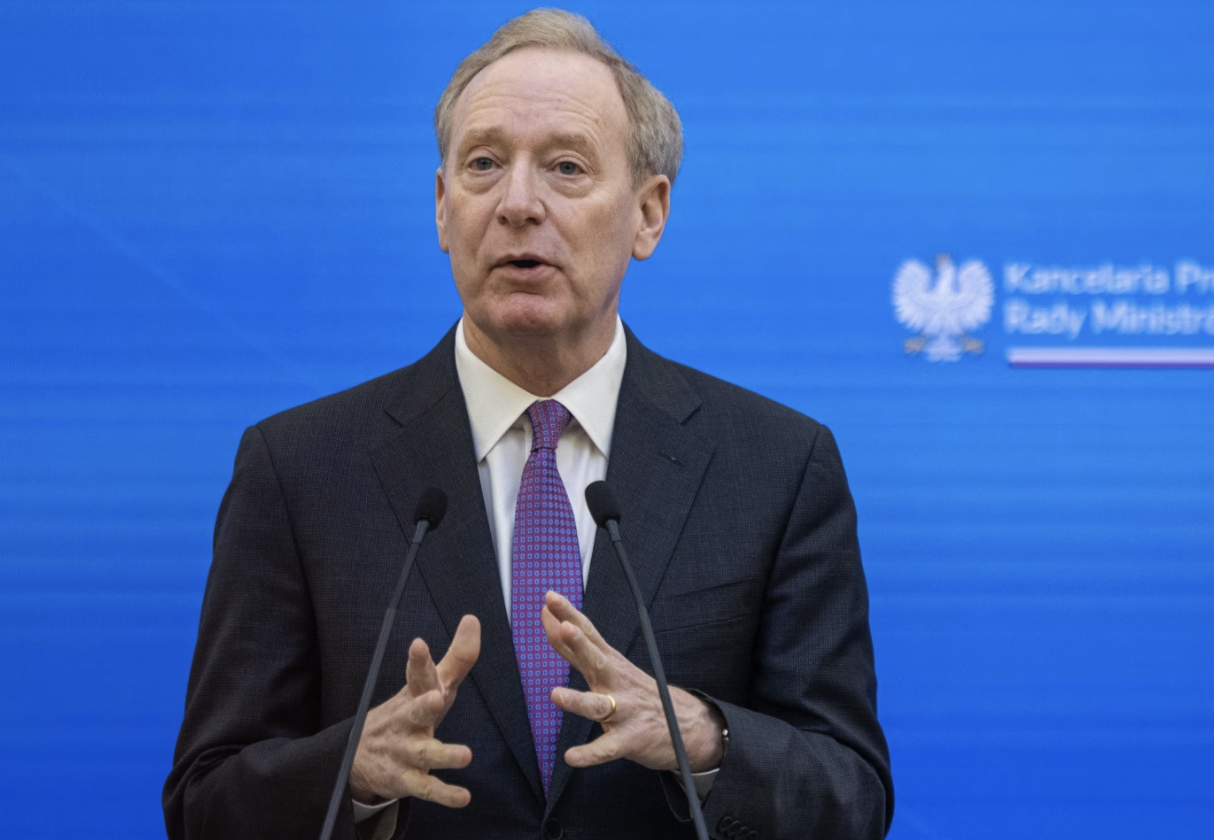
Microsoft President Brad Smith argues that current AI regulation is insufficient, noting that common consumer goods like milk and washing machines face stricter safety standards. He advocates for global AI safety rules that move beyond voluntary corporate self-regulation to address risks posed by autonomous systems.
Smith proposes mandatory safety measures, including the implementation of 'kill switches' to halt malfunctioning AI, a formal incident reporting system for companies, and mandatory independent safety audits for high-risk products before their release. He emphasizes that such rules are necessary to prevent potential harm to global cybersecurity and society.
The Microsoft executive highlights the UK's AI Safety Institute as a potential leader in establishing international standards. He suggests that the UK's technical expertise and its unique diplomatic position in Washington could facilitate global cooperation on AI governance, even as the US government prioritizes rapid industry growth.
While acknowledging the value of recent voluntary ethical commitments signed by major tech firms like OpenAI, Anthropic, and Google, Smith warns that self-regulation is inadequate. He argues that legally binding standards are essential to ensure a level playing field and to prevent companies from bypassing safety costs to gain a competitive edge.
