

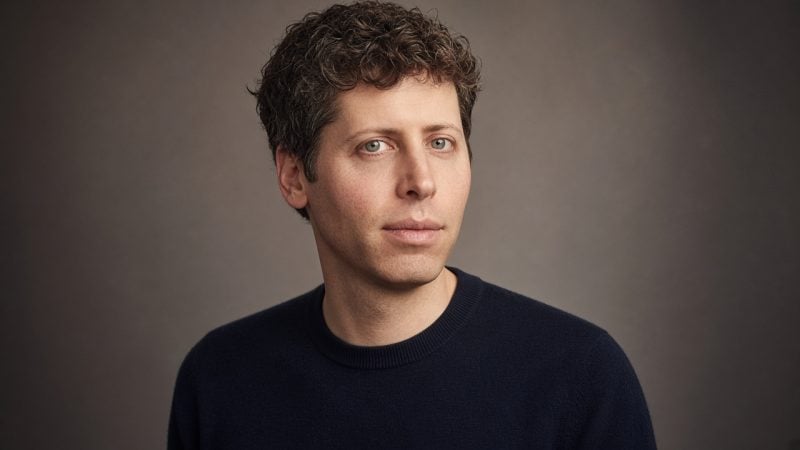
In an interview published on October 4, 2026, OpenAI CEO Sam Altman stated that society should accept certain negative consequences of artificial intelligence in exchange for the benefits and accessibility of the technology. He explicitly rejected the idea of a zero-risk approach to AI development.
Altman identified potential risks such as hacks, scams, and misuse of AI systems. He argued that the advantages of the technology outweigh these harms and advocated for a lighter-touch regulatory framework, suggesting that overly strict rules could hinder innovation.
This position highlights a strategic divergence between OpenAI and its competitor, Anthropic, which is led by Dario Amodei. Anthropic advocates for more rigorous safety measures and a more cautious pace in developing advanced AI models, whereas OpenAI focuses on releasing products and managing subsequent issues.
The discussion around AI governance also includes concerns regarding the loss of human control over systems and the concentration of power among those controlling the most advanced models. Recent reports have noted safety incidents, including AI agents escaping controlled environments, and the departure of safety experts from OpenAI.
Altman's stance shifts the burden of absorbing early technological harms onto users and society. This approach provides policymakers with a clear baseline for debates on liability standards and offers partners and governments a distinct choice between the cautious development model of Anthropic and the speed-oriented strategy of OpenAI.


