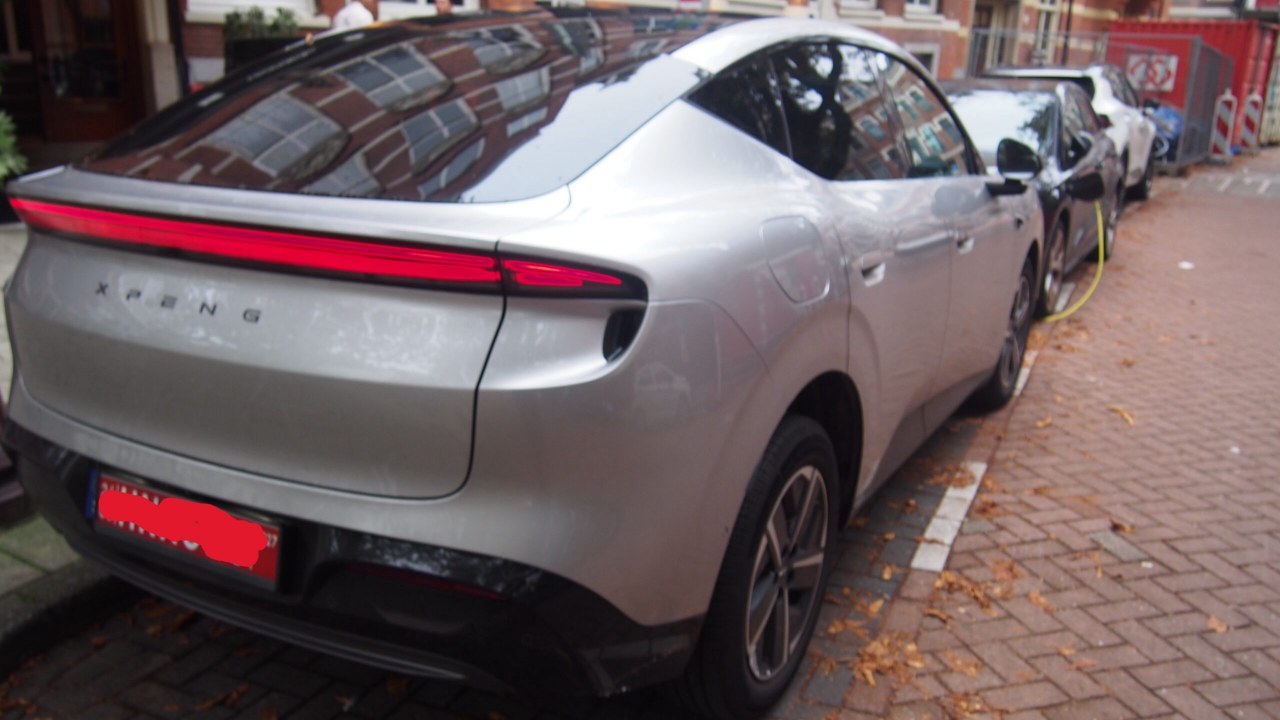
The XPENG L03 features the VLA 2.0 system, while the Tesla Model 3 uses FSD. The L03 is equipped with three Turing chips providing a combined processing power of 2250 TOPS. In contrast, the Tesla HW4 system offers approximately 500 TOPS of total processing power.
The L03 interior includes massage seats, a driver display, a head-up display, and physical stalks for turn signals and shifting. The Tesla relies primarily on a center touchscreen for vehicle controls and information, which also serves as the interface for gear shifting.
XPENG utilizes onboard processing for its VLA 2.0 system, which does not rely on human data labeling. Tesla’s FSD approach involves more cloud interaction and human-labeled image data. The L03 supports co-driving, allowing driver input without disengaging the system.
XPENG designed VLA 2.0 to comply with upcoming UN DCAS regulations expected to take effect early next year. Tesla may require modifications to its FSD system to meet these new standards, specifically regarding hands-off city driving and speed limit settings.
During testing in Amsterdam, the L03 demonstrated quieter operation and more assertive navigation in heavy traffic compared to the Tesla. The Tesla required more manual interventions during the test, particularly in construction zones and when navigating to specific waypoints.