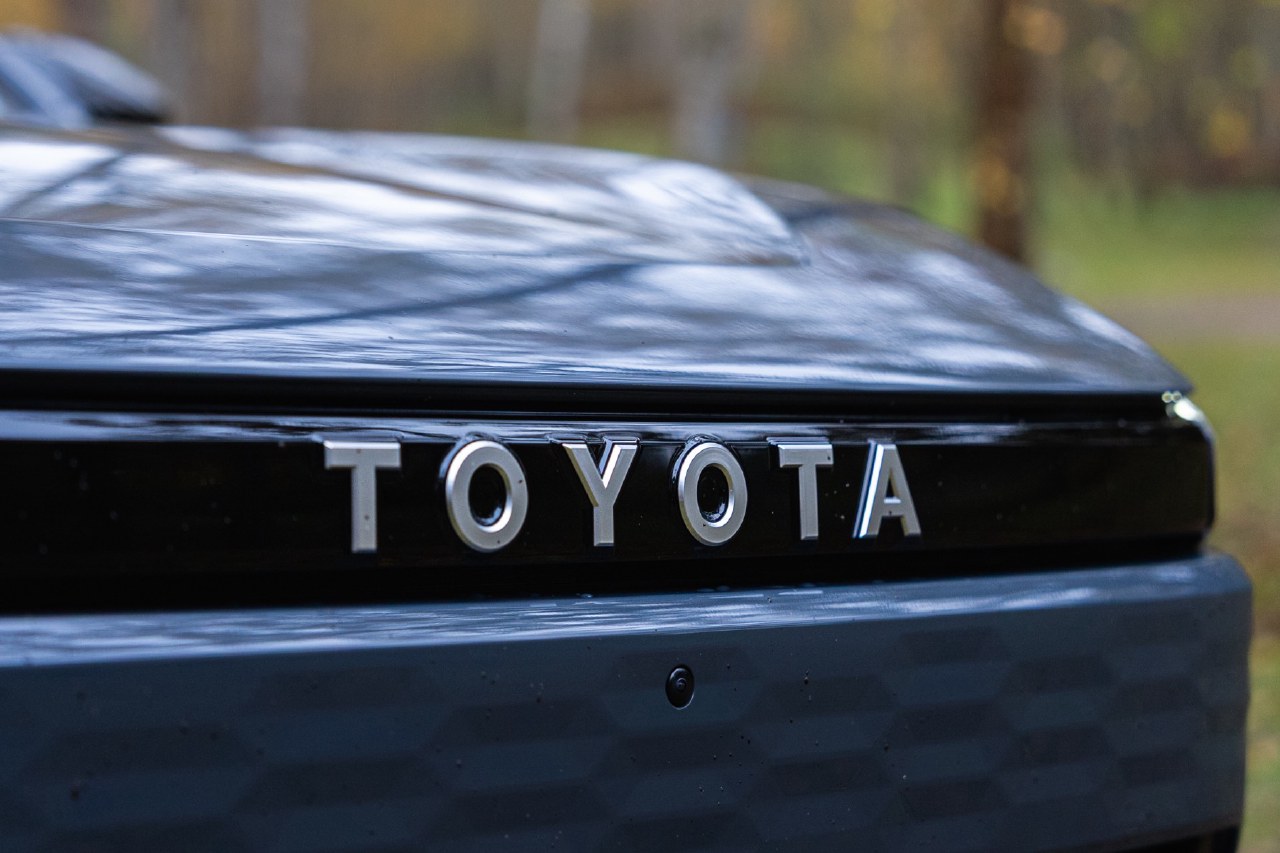
The Thailand Board of Investment has approved a THB 1.49 billion investment by Toyota to produce the Hilux FCEV at its Ban Pho plant in Chachoengsao Province. This project marks the first hydrogen fuel-cell electric vehicle manufacturing initiative in Thailand. The company is establishing a dedicated production line at the facility, which currently produces other versions of the ninth-generation Hilux.
Production of the hydrogen-powered pickup is scheduled to begin in December 2027, with an annual output target of 3,000 units. Toyota will also construct an on-site hydrogen refueling station for production and testing purposes. Initially, the vehicles will be manufactured exclusively for export, with Australia, New Zealand, and European countries identified as the primary target markets.
The Hilux FCEV is expected to offer a driving range exceeding 400 kilometers and a towing capacity of up to 2.5 tonnes. Toyota plans a market launch in 2028. Prior to the commercial release, the company will test its fuel-cell technology through the Gazoo Racing division at the 2027 Dakar Rally, using the DKR GR FC Hilux model equipped with two fuel-cell stacks.
The rally prototype features a combined output of 400 kW and four high-pressure tanks with a total storage capacity of 8.4 kg of hydrogen. Design teasers revealed at the IAA Transportation 2026 show minor styling updates, including a closed upper grille and a distinct daytime running light pattern, similar to the existing Hilux BEV model.