

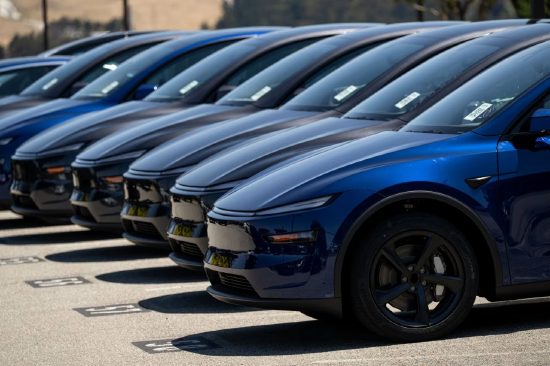
Tesla has reclaimed over half of the US electric vehicle market, reaching a 52% share in the first eight months of 2026, up from 43% during the same period last year. While Tesla's own sales fell 16% to 325,351 units, competitors saw a sharper decline of 30% as traditional automakers scaled back their EV operations to curb losses.
The company's market dominance is largely driven by the Model Y, which accounts for one in every three electric vehicles sold in the US this year. While Model 3 sales dropped 34% and Cybertruck sales reached 9,769 units, the Model Y remains resilient with only a 2% decline. Tesla has also introduced a six-seat Model Y L variant to expand its reach.
Industry analysts attribute Tesla's regained lead to the withdrawal of competing models. Vehicles like the Honda Prologue, Volkswagen ID.4, and Ford F-150 Lightning have been discontinued or are nearing the end of production. Others, such as the Chevrolet Equinox EV and Ford Mustang Mach-E, have faced significant production cuts.
Tesla is shifting its strategic focus away from traditional automotive manufacturing toward full self-driving technology and humanoid robots. The company has halted production of the Model S and X with no plans for successors. The upcoming Cybercab lacks traditional controls, and the release date for the new Roadster remains unannounced.
The Full Self-Driving (FSD) software has become the primary selling point for Tesla, acting as a key differentiator for customers. Despite the lack of new vehicle platforms, analysts suggest that Tesla's market position is unlikely to be challenged over the next five years unless there is a major breakthrough in battery technology or a significant shift in federal regulatory policy.



