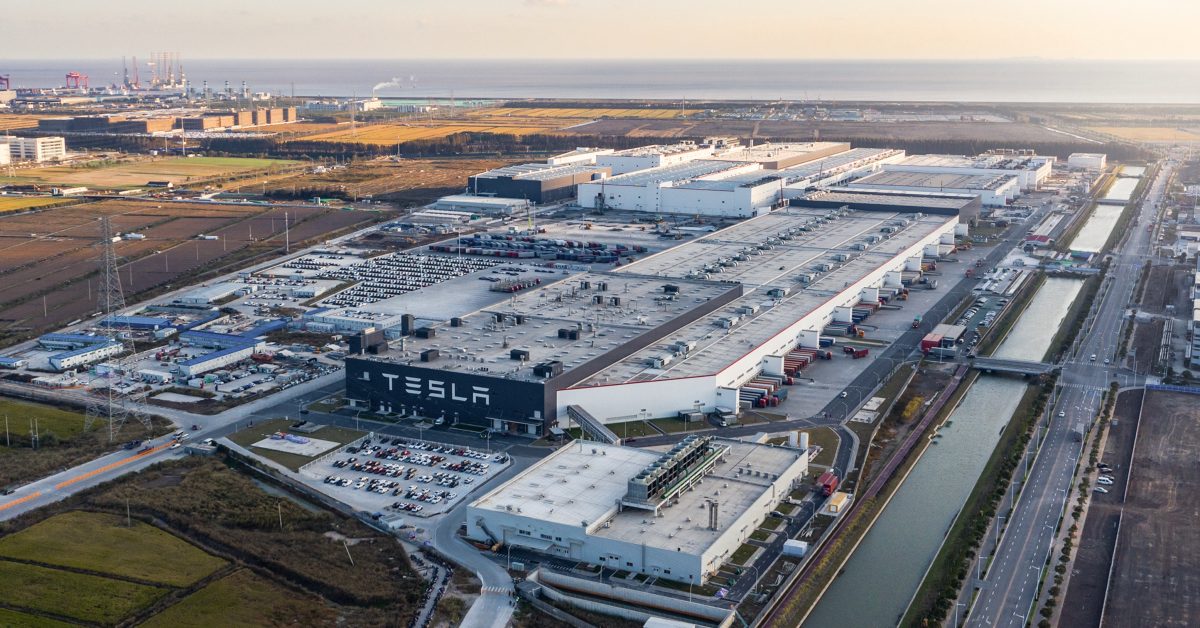
Tesla sold 381,088 vehicles in China during the first nine months of 2026, marking an 11.9% decline compared to the previous year. Domestic retail sales in the third quarter fell by 16% to 142,133 units. Meanwhile, exports from the Giga Shanghai facility more than doubled to 361,972 vehicles during the same nine-month period.
The Chinese government announced a reduction in the VAT export rebate for new energy vehicles from 13% to 9%, effective April 1, 2027. This change impacts both battery-electric and plug-in hybrid models. Industry estimates suggest this policy shift could result in additional annual costs of approximately $600 million for Tesla, based on current export volumes.
Shanghai currently serves as a primary export hub for Tesla, supplying markets in Europe, the Asia-Pacific region, and Canada. In the third quarter of 2026, the factory's wholesale volume reached 275,111 vehicles, representing 57% of Tesla's total global deliveries. Domestic Chinese buyers accounted for 29% of the company's global deliveries during that quarter.
Tesla faces increased competition in China from manufacturers such as BYD, Xiaomi, and Xpeng, which frequently release new models. While Tesla's wholesale numbers have remained high due to export growth, the company must now navigate the upcoming tax rebate reduction. Potential strategies include raising prices in foreign markets, absorbing the margin impact, or reducing production levels at the Shanghai plant.