Taxation Guide for Small Teams: Using AUSN in Russia
The automated simplified taxation system offers a streamlined tax regime for small teams until 2027, though it requires careful management of employee residency and potential tax adjustments.

The automated simplified taxation system offers a streamlined tax regime for small teams until 2027, though it requires careful management of employee residency and potential tax adjustments.

Tesla's China operations shift as domestic sales decline by 11.9% while exports double, facing a new tax rebate cut that could cost the company $600 million annually.

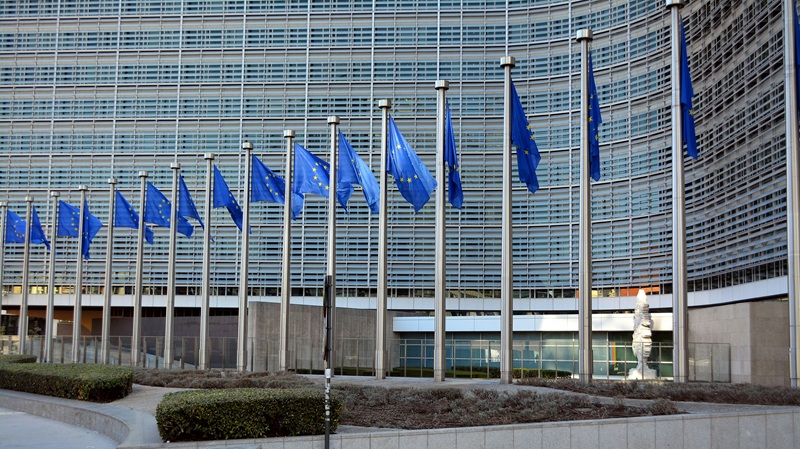
The European Union is developing a new tax framework for large tech companies to boost budget revenues while avoiding 100 percent retaliatory tariffs from the United States.

The European Commission is considering a broad, sector-neutral levy on companies with over €100 million in EU revenue to secure budget funding and avoid US tariff threats.

California voters will decide on a 5% wealth tax for billionaires on November 3, 2026, with market data currently pricing the likelihood of passage at 29.5%.

California has passed Senate Bill 1406 to close a tax loophole that allowed residents to avoid sales taxes on luxury vehicles by registering them through shell companies in Montana.

Meta classifies its AI data center infrastructure as a high-risk experiment in tax filings to potentially secure billions in research credits.

Nova Scotia has introduced a biennial levy on electric vehicles and plug-in hybrids to fund road maintenance, with fees reaching up to CAD 500.

The Dutch government has scrapped plans to tax unrealized Bitcoin gains following significant backlash from investors.

Meta reduced its tax bill by $355 million by classifying CEO Mark Zuckerberg as a researcher, a strategy currently under scrutiny by the IRS.

The Dutch government plans to shift to a realized capital gains tax system by 2028, potentially impacting how Bitcoin and other digital assets are taxed.

Meta is utilizing research and experimentation tax classifications to reduce its federal tax burden by billions, prompting formal inquiries from US lawmakers.

Meta reduced its federal tax bill by 71% in 2025 by classifying its AI data centers as experimental projects under new tax legislation.

Democratic lawmakers in the US Congress remain divided on AI tax proposals, with no unified framework emerging before the November midterms.

Russia saw the registration of 37,000 new IT companies in the first half of 2026, even as the government tightened tax policies and accreditation standards for the sector.
The IRS is scrutinizing tax-deferral strategies used by crypto ETFs, warning that new regulations could be applied retroactively to past transactions.

California’s Proposition 40, which proposes a 5% tax on billionaire net worth, faces political opposition ahead of the November 2026 ballot.

New IRS reporting requirements for digital assets have created significant filing challenges for US investors due to missing cost-basis data and inconsistent exchange reporting.

LG Electronics faces a tax demand of approximately ₹1.54 billion from Indian customs authorities over alleged underreporting of royalty payments on imported goods.

Russia will introduce a new technology fee for electronics on December 1, 2026, with rates significantly higher than those proposed earlier this year.