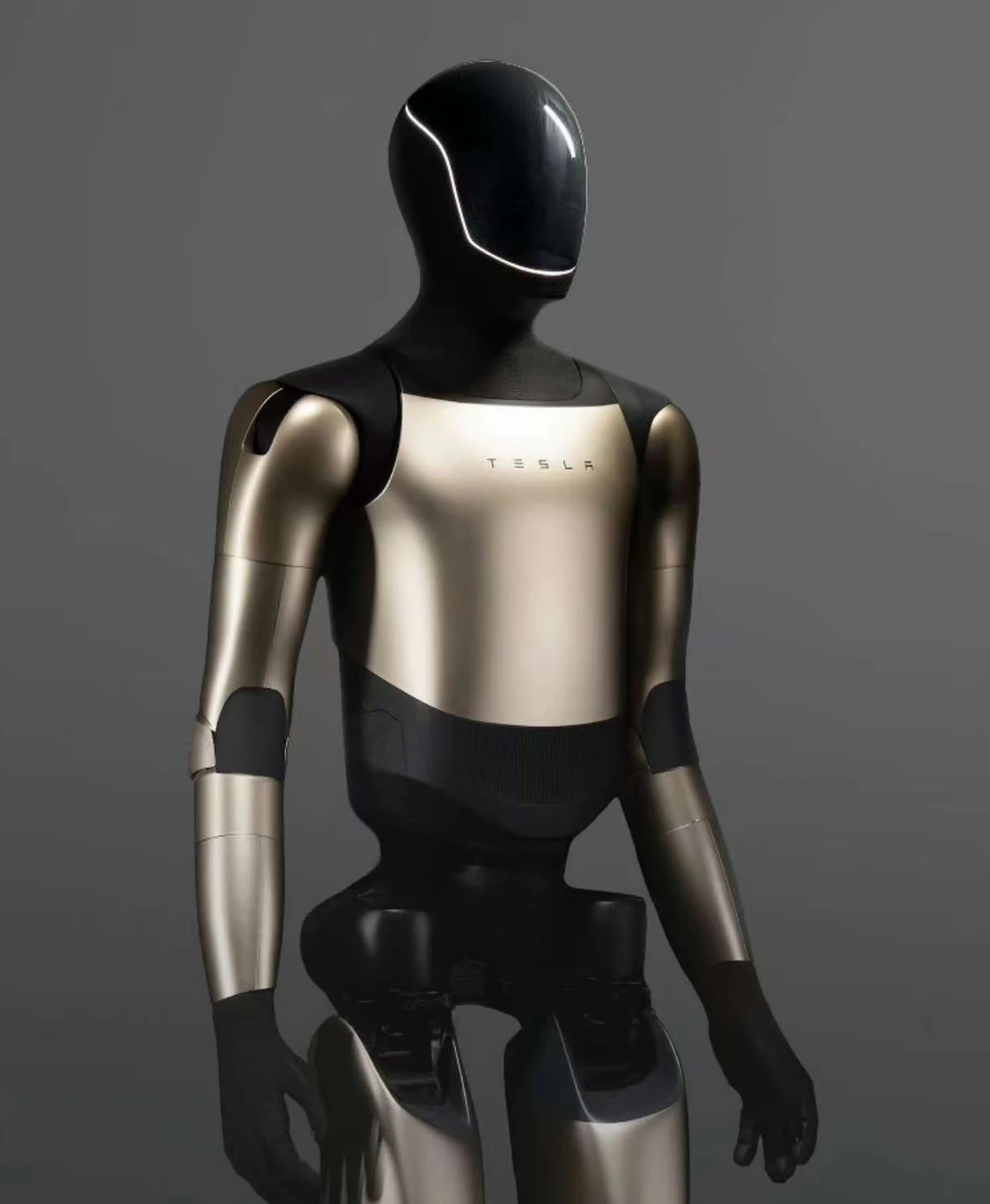
Tesla is currently facing significant hurdles in the mass production of its Optimus V3 humanoid robot. Reports indicate that the company is struggling with the assembly of the robot's mechanical hands, which consist of over 100 small components that require manual labor.
While Tesla has increased production to hundreds of units per week, it aims to exceed 1,000 units weekly by the end of 2026. The manufacturing process is further complicated by issues with positioning equipment on the assembly line, leading to cases where robots require immediate manual repairs after production.
Reliability concerns have also emerged regarding the robot's tactile sensors. To address this, Tesla developed a glove-like sensor component that allows for individual replacement, avoiding the need to swap out the entire hand assembly during maintenance.
On the software side, Optimus currently lacks true general-purpose AI capabilities. The robot still requires specific programming for individual tasks and operates only within strictly controlled environments, highlighting the industry-wide challenge of achieving autonomous learning in real-world settings.
Tesla previously collected training data by requiring factory staff in Texas and California to wear motion-tracking suits. Following employee dissatisfaction, the company shifted this data collection to a dedicated team and established specialized training centers.