Tesla is developing an in-house AI-based mapping and navigation system to replace its reliance on third-party providers. Vice President Ashok Elluswamy confirmed the project during the latest earnings call, noting that the current dependency on external map data contributes to existing issues with speed limit recognition, parking, and route planning.
The new architecture will leverage data collected from Tesla's vehicle fleet to map street information, including traffic lights, parking signs, and road conditions. By processing this data, the system aims to improve driving safety by identifying road hazards such as potholes, obstructed intersections, and dangerous crossings.
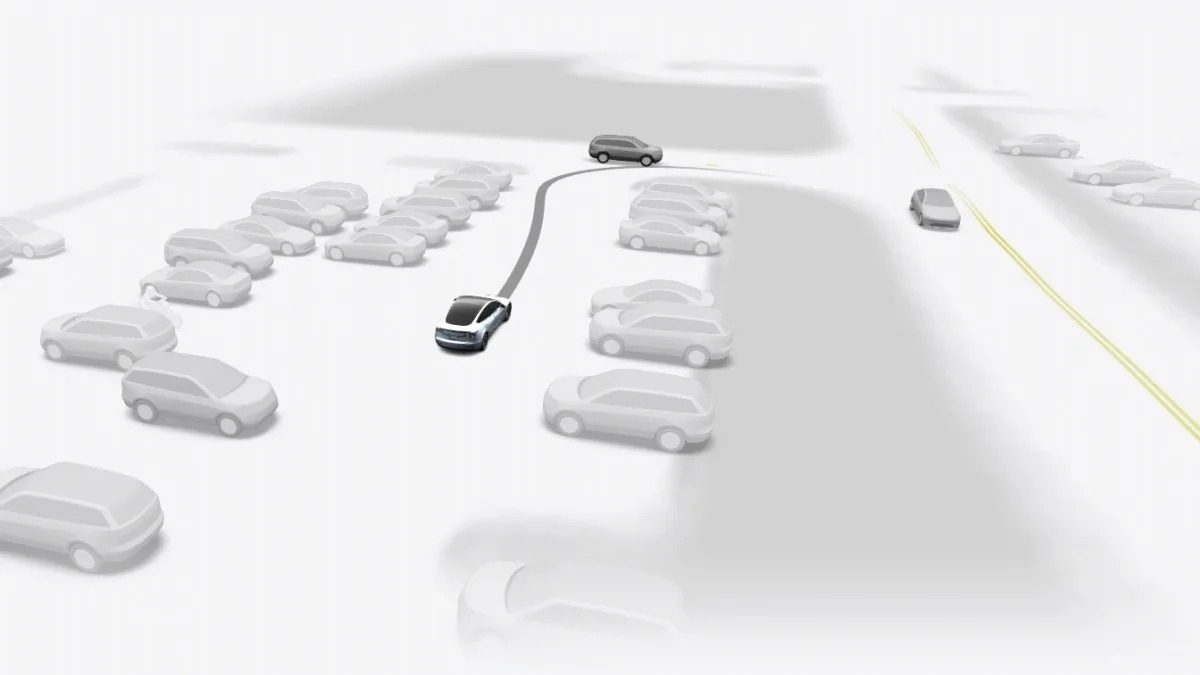
The mapping system will debut with the FSD v15 update, initially focusing on departure and arrival phases. Over the following months, Tesla plans to expand its capabilities to include full navigation, automated parking, and voice-controlled route customization, which will integrate with the Grok AI assistant.
The automated parking feature will allow users to set preferences, such as prioritizing specific parking spots or maintaining distance from other vehicles. This development follows the company's previous introduction of the 'Preferred Routes' feature, which allows the vehicle to prioritize paths based on historical driving data.