

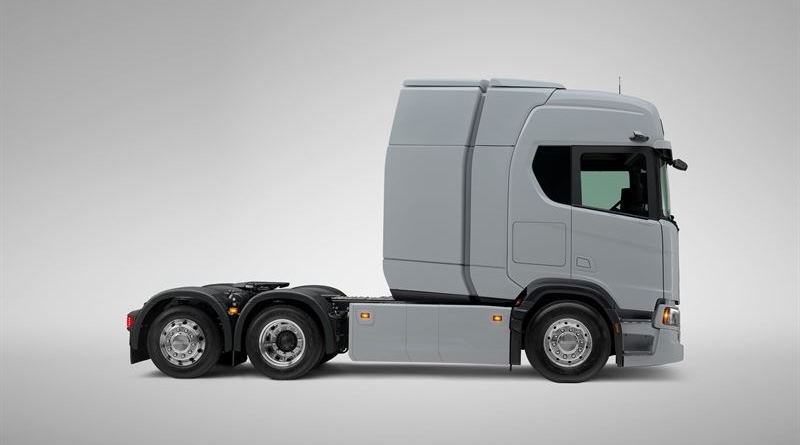
Scania has introduced a new battery-electric truck for the European market, featuring a range of 720 kilometers. The vehicle utilizes a redesigned front to reduce wind resistance by up to 3 percent and incorporates two cab-mounted battery packs, adding 356 kilowatt-hours of capacity to the chassis-mounted batteries.
To address charging infrastructure challenges, companies are deploying megawatt charging systems, such as the Siemens model that charges a truck from 20% to 80% in 30 minutes. Additionally, on-site battery energy storage systems are being implemented to support high-speed charging in areas with limited grid capacity.
A consortium including Volvo Group, Daimler Truck, Toyota, Bosch, Air Liquide, TotalEnergies, TEAL Mobility, and MB Energy has announced a hydrogen strategy in Germany. The plan aims to accelerate the adoption of fuel cell electric trucks and includes infrastructure development to support up to 100 trucks per day at fueling stations.
Daimler Truck has completed nearly 600 000 kilometers of testing with its fuel cell trucks and plans to introduce 100 next-generation vehicles this year. Volvo Group is also investing in hydrogen fuel cell and combustion trucks, with a market rollout target set for 2030, supported by Toyota's expertise in fuel cell technology.
The German government is supporting these initiatives through the National Organisation for Sustainable Mobility, which manages funds for high-capacity stations and heavy-duty vehicles. Policy measures include zero-emission toll exemptions and mechanisms to make hydrogen pump prices competitive with diesel.


