

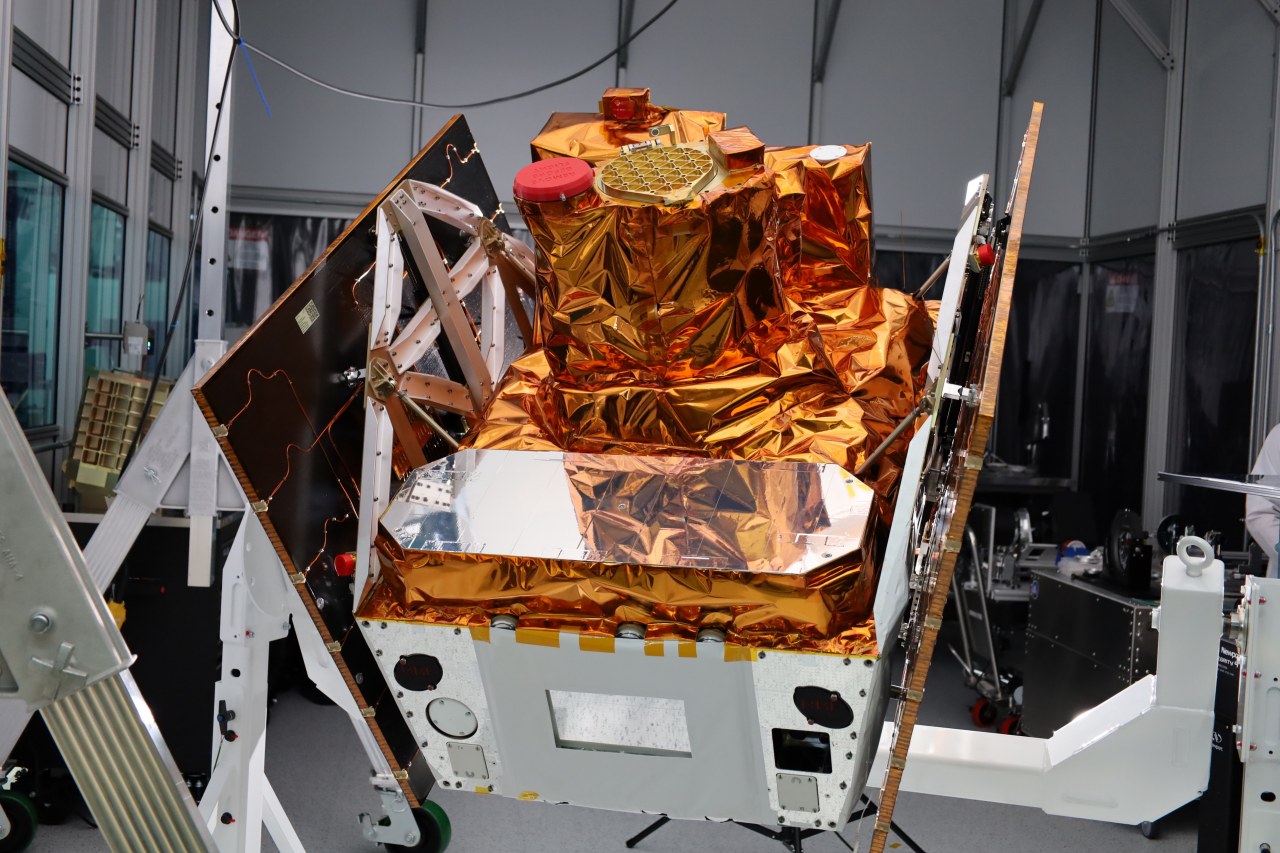
SpaceX launched the Transporter-18 mission from Vandenberg, focusing on orbital computing infrastructure. Cowboy Space, formerly Aetherflux, is developing laser infrared technology to deliver power and connectivity for orbital data centers. The company is preparing its Protostar power node for a launch scheduled no earlier than October 1.
Google is testing AI capabilities in orbit through its Project Suncatcher, which utilizes four Trillium TPUs on a satellite powered by 1kW of solar energy. The company estimates that if launch costs reach $200 per kg by the mid-2030s, the cost of orbital solar power could match terrestrial data center electricity expenses, provided Starship achieves 180 flights annually.
The startup Satlyt secured $8 million in a seed funding round led by non sibi ventures. The company, based in Nairobi and Sunnyvale, plans to use the capital to expand its virtual orbital data center network and grow its team. This investment brings Satlyt’s total funding to over $10 million, with participation from TLCOM, Antler, and others.
In other industry developments, Iridium shareholders approved the company's acquisition by Rocket Lab. Meanwhile, SpaceX deployed 26 V3 Starlink satellites during the Transporter-18 mission using its specialized dispenser system. Meridian Space continues to focus on satellite communication infrastructure, while SpinLaunch pursues low-cost launch solutions for hypersonic and lunar applications.



