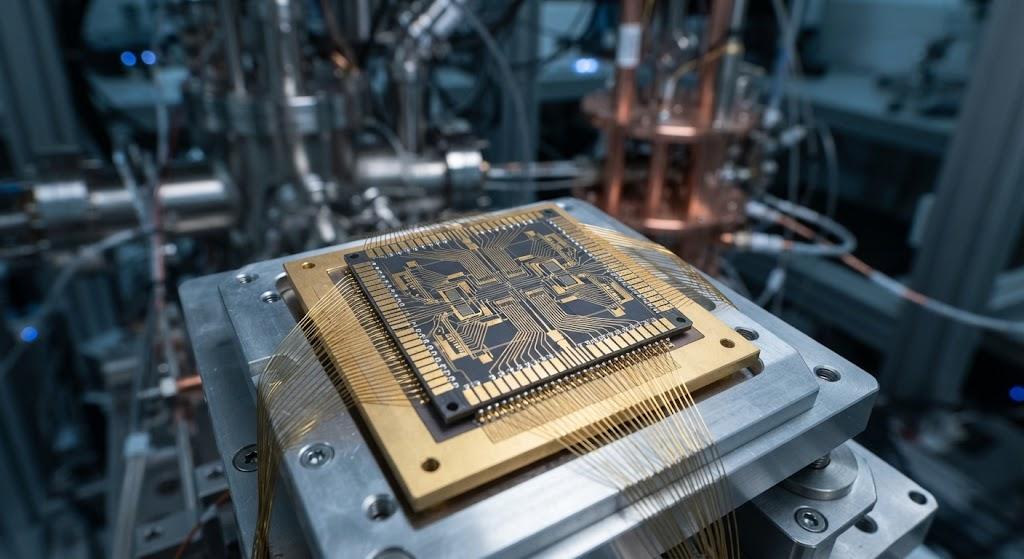
Nvidia CEO Jensen Huang proposes using quantum computers to generate synthetic training data for AI models. By simulating complex biological and chemical processes, quantum systems could provide high-fidelity data that is currently difficult to obtain through traditional methods.
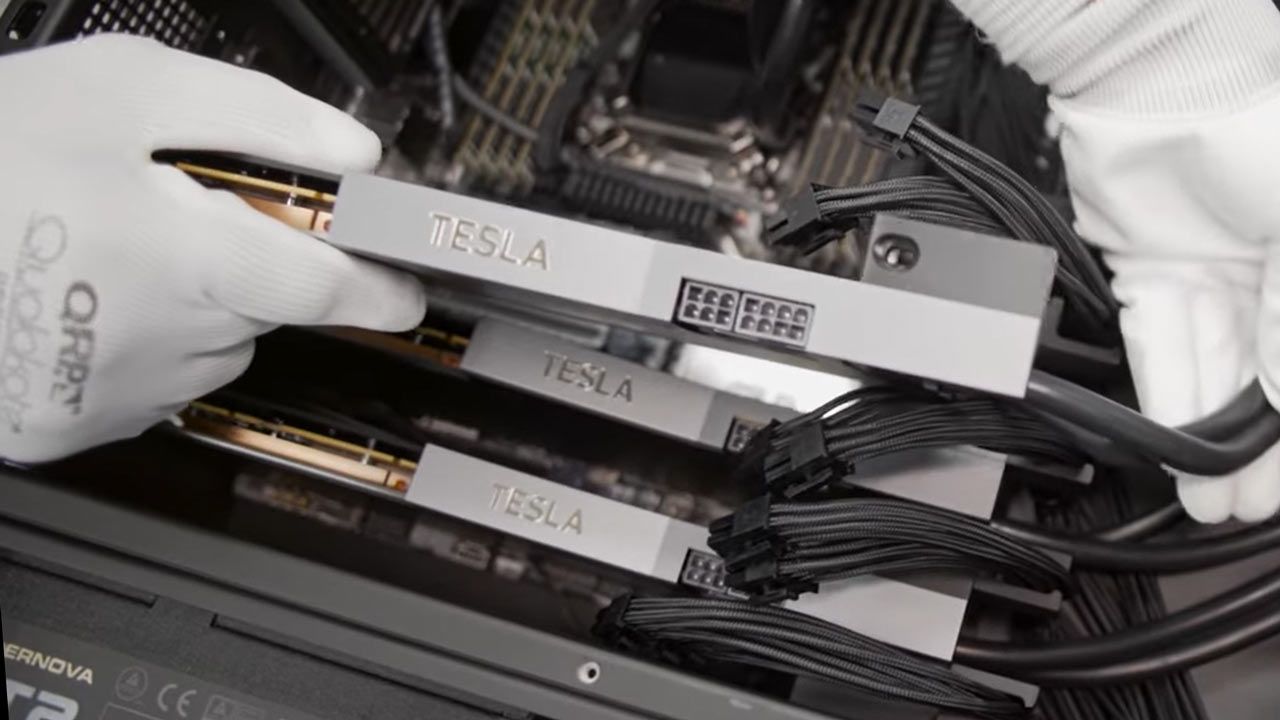
On October 19, 2026, Nvidia announced a simulation of a 104-qubit fault-tolerant quantum processor. The project was executed on the JUPITER supercomputer at the Jülich Supercomputing Centre in Germany, utilizing 8,192 Nvidia GH200 superchips.
The simulation successfully validated a method known as magic state cultivation. This approach reportedly reduces the number of physical qubits required for error correction by 90% compared to conventional techniques, potentially simplifying the development of functional quantum hardware.
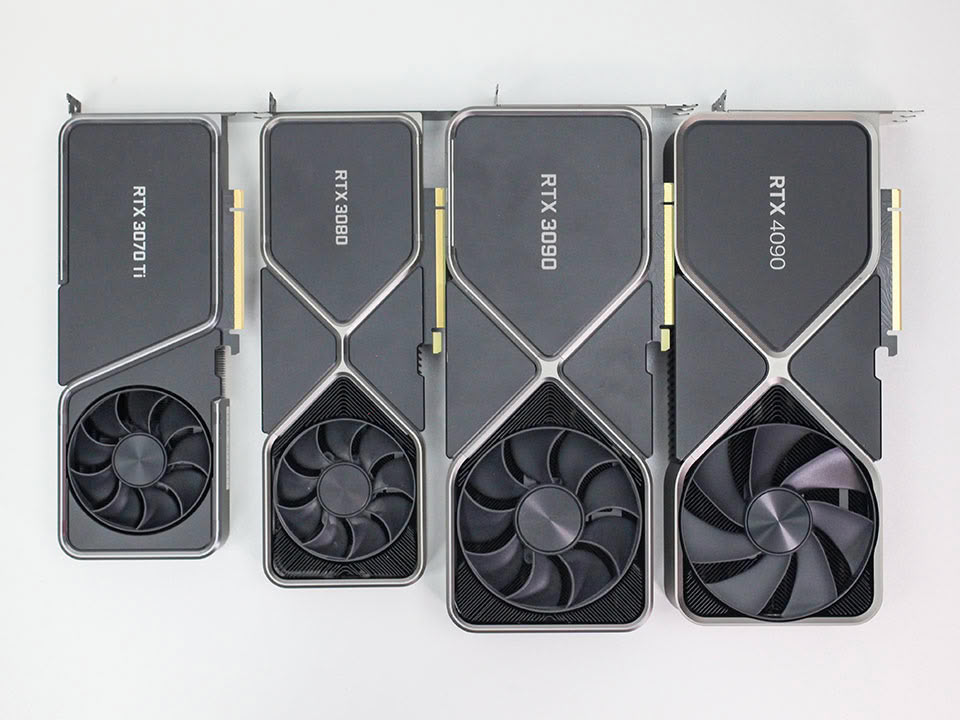
Nvidia views quantum computing as a strategic opportunity to expand its GPU business. By providing the infrastructure for designing and testing quantum systems through tools like CUDA-Q, the company aims to position its hardware as the standard platform for quantum research.
While the potential benefits include accelerated drug discovery and materials science, the company notes that these advancements are currently in the simulation phase. Practical implementation remains dependent on the future development of fault-tolerant hardware.