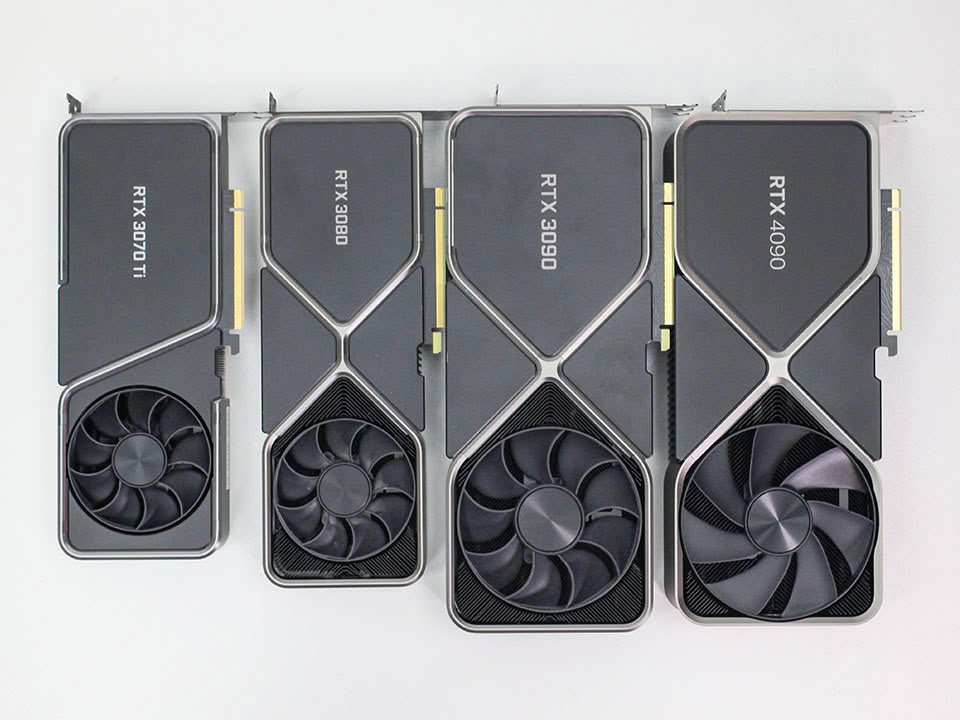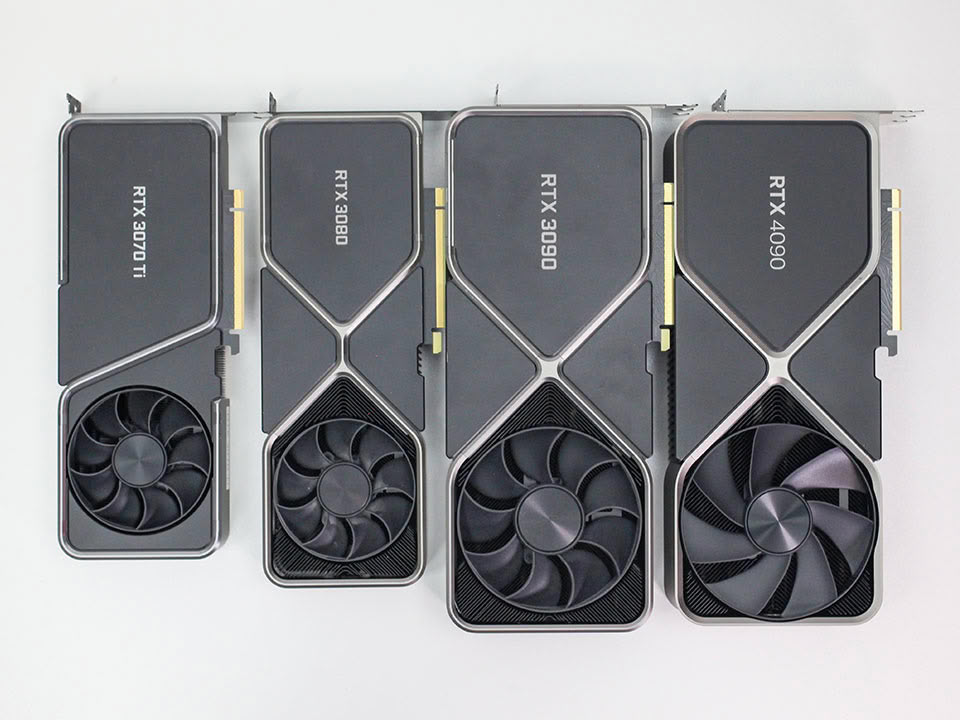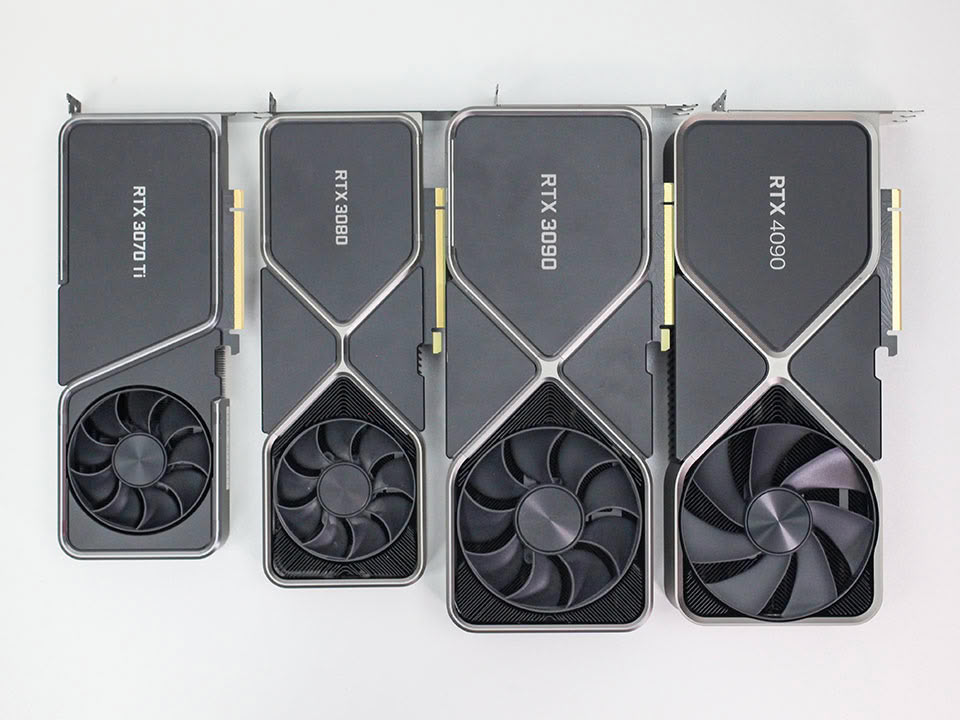
Community developers have released firmware and hardware configuration modifications that unlock hidden computing potential in NVIDIA GeForce RTX 30 and RTX 40 series graphics cards. These adjustments bypass official software restrictions, allowing for significant performance gains in AI and matrix calculation tasks without increasing power consumption.
For the RTX 30 series, which utilizes Ampere architecture, the unlock targets GA102, GA103, GA104, and GA106 cores. Tests on the RTX 3090 Ti showed an 80 percent improvement in BF16 matrix multiplication performance. The modifications successfully pass NVIDIA driver verification and bypass PCIe Function Level Reset restrictions, maintaining compatibility with official drivers.
The RTX 40 series, based on the Ada Lovelace architecture, saw even more dramatic results. For the RTX 4090, FP16 Tensor throughput increased from 165.6 TFLOPS to 331.6 TFLOPS, effectively doubling performance to levels comparable to professional-grade hardware like the RTX 6000 Ada. This project supports AD102, AD103, and AD106 cores.
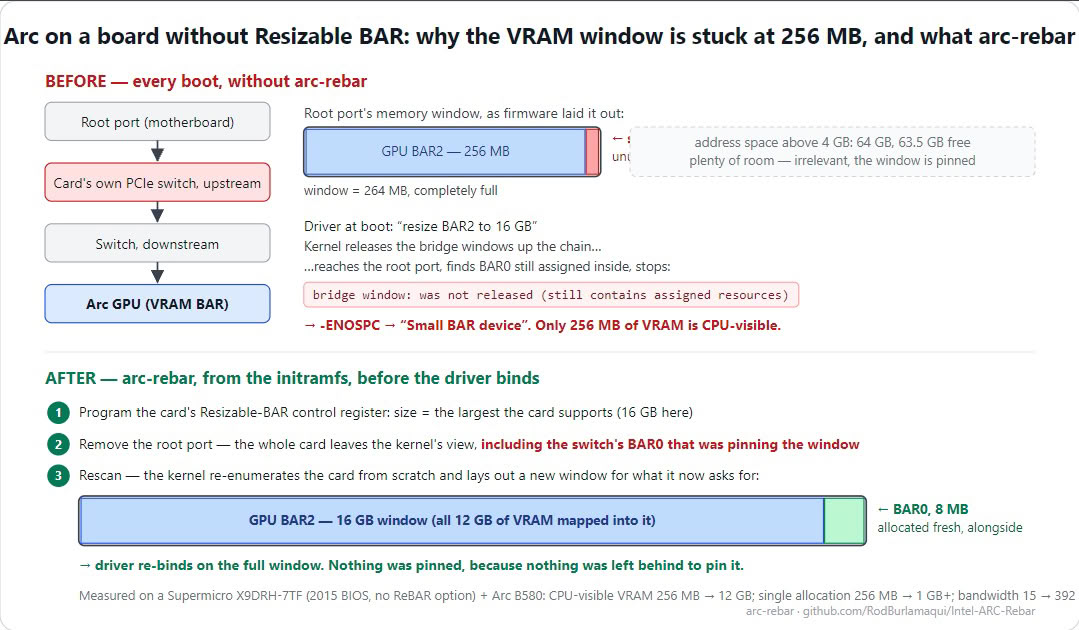
Developers emphasize that these performance gains are achieved within the original 450W power limits, relying solely on unlocking restricted computational capacity. The modifications require loading specific modules during system startup before the NVIDIA driver initializes, which may void hardware warranties and is intended for advanced users.