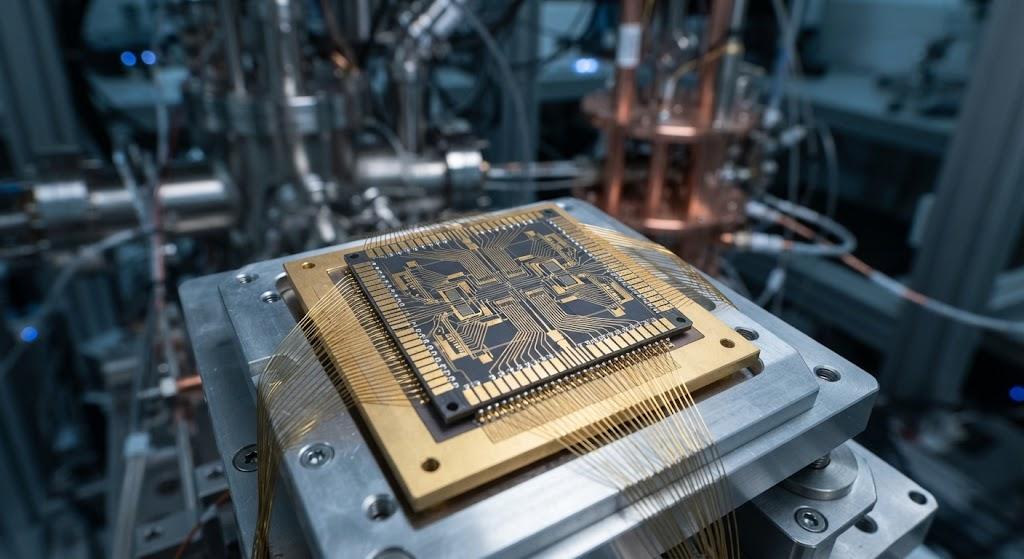
Russia aims to develop a universal quantum computer with 300 qubits by 2030, according to the long-term development plan for quantum technologies. The project also targets the creation of quantum simulators capable of solving 140 specific tasks. Nikolai Kolachevsky, director of the P.N. Lebedev Physical Institute of the Russian Academy of Sciences, announced these goals during a meeting of the RAS Scientific Council.
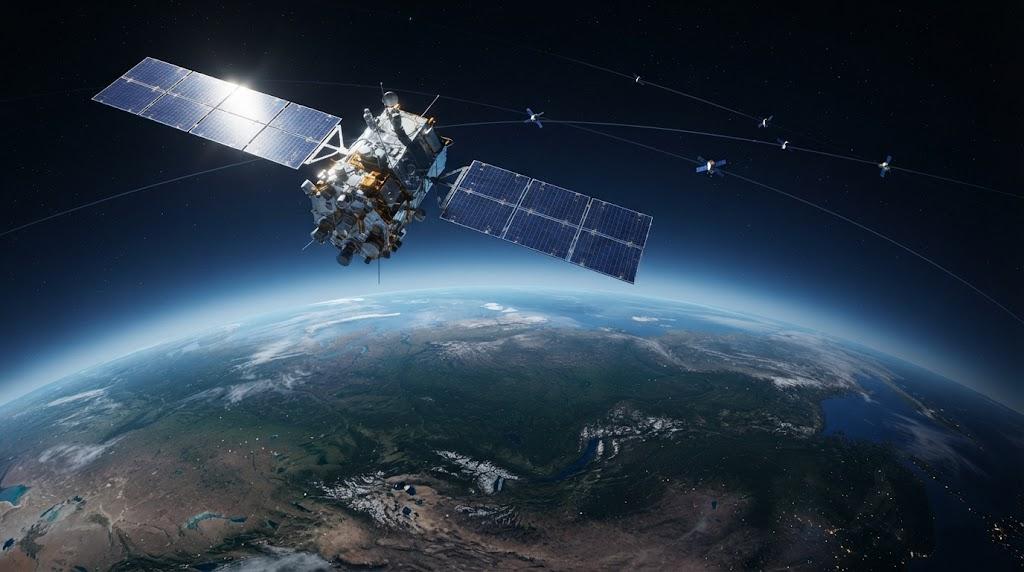
The initiative focuses on three core pillars: quantum computing, communications, and sensing. A new project titled Quantum Abriss proposes a distributed network of quantum processors synchronized via high-precision time and frequency sources. These units will be connected through interference-protected fiber-optic lines to facilitate high-speed parallel computing operations.
Rosatom has compiled a database of nearly 500 global use cases to identify priority applications for these technologies. Key sectors identified for implementation include chemistry, materials science, biology, medicine, logistics, finance, and engineering. In the field of quantum sensing, the goal is to cover at least 80% of critical use cases and transition technologies to industrial-scale production.