The National Highway Traffic Safety Administration (NHTSA) has issued a formal request to Tesla, demanding clarification on the self-certification process for its Cybercab robotaxi. The company must provide detailed responses to the regulator by September 30.
The primary concern involves the vehicle's lack of traditional manual controls, such as a steering wheel, brake and accelerator pedals, and rearview mirrors. Under current US regulations, vehicles equipped with these features do not require prior NHTSA approval, whereas those without them face stricter oversight.
Regulators are investigating whether Tesla relied on temporary human-operated controls during its compliance testing. The agency has also requested information regarding the vehicle's maximum speed, operational geographic limitations, and whether passengers can control the car via the touchscreen interface.
The NHTSA holds the authority to grant exemptions allowing manufacturers to deploy up to 2,500 vehicles annually that lack standard human-operated controls. The agency is currently reviewing the technical data and certification procedures Tesla used to verify that the Cybercab meets federal safety standards.
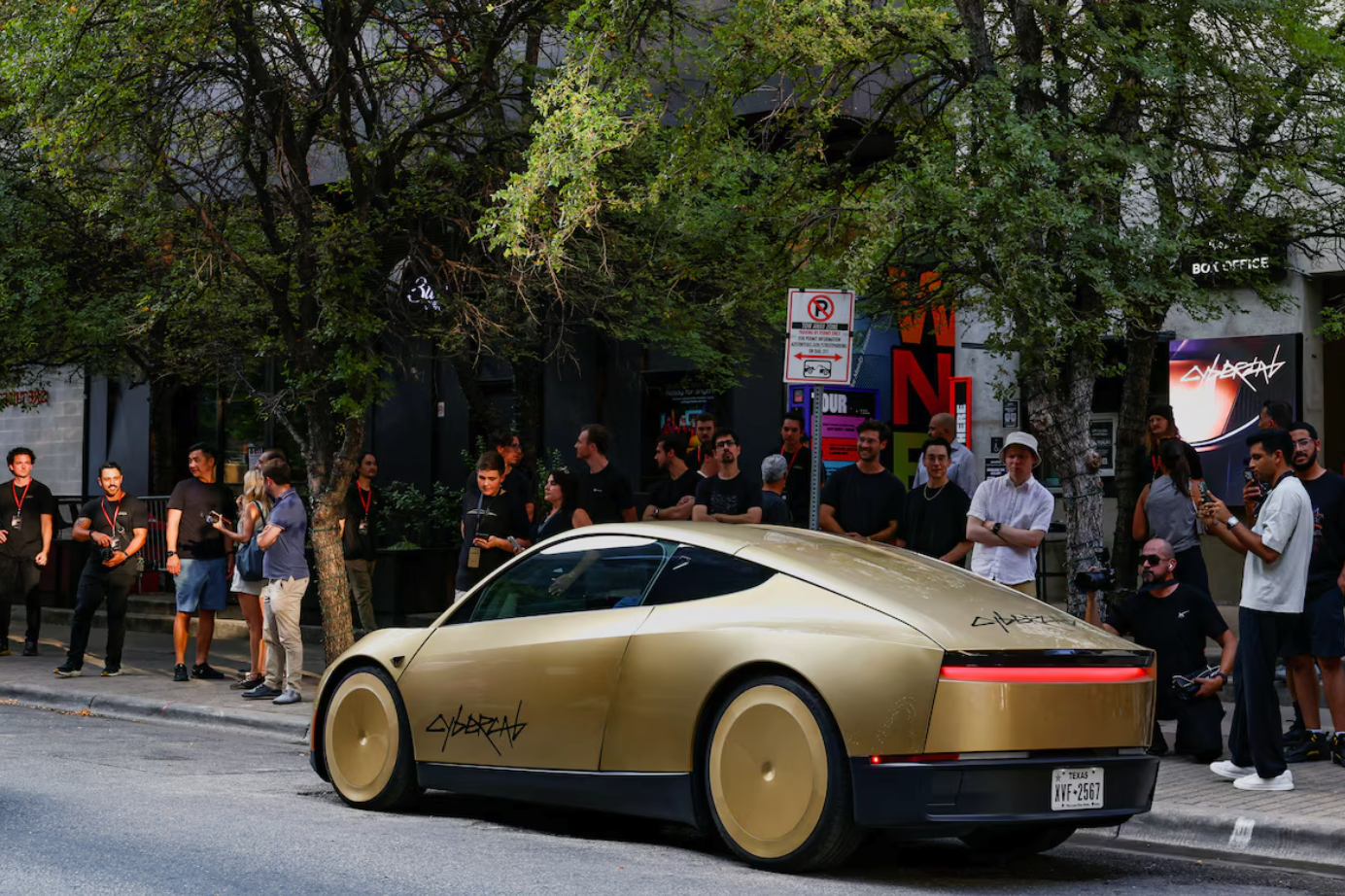
Tesla initiated commercial deployment of a small fleet of two-seater Cybercabs in Austin, Texas, on September 3. The company intends to scale this service to additional locations and increase the number of vehicles in operation over time, while advocating for regulatory changes alongside companies like Waymo.