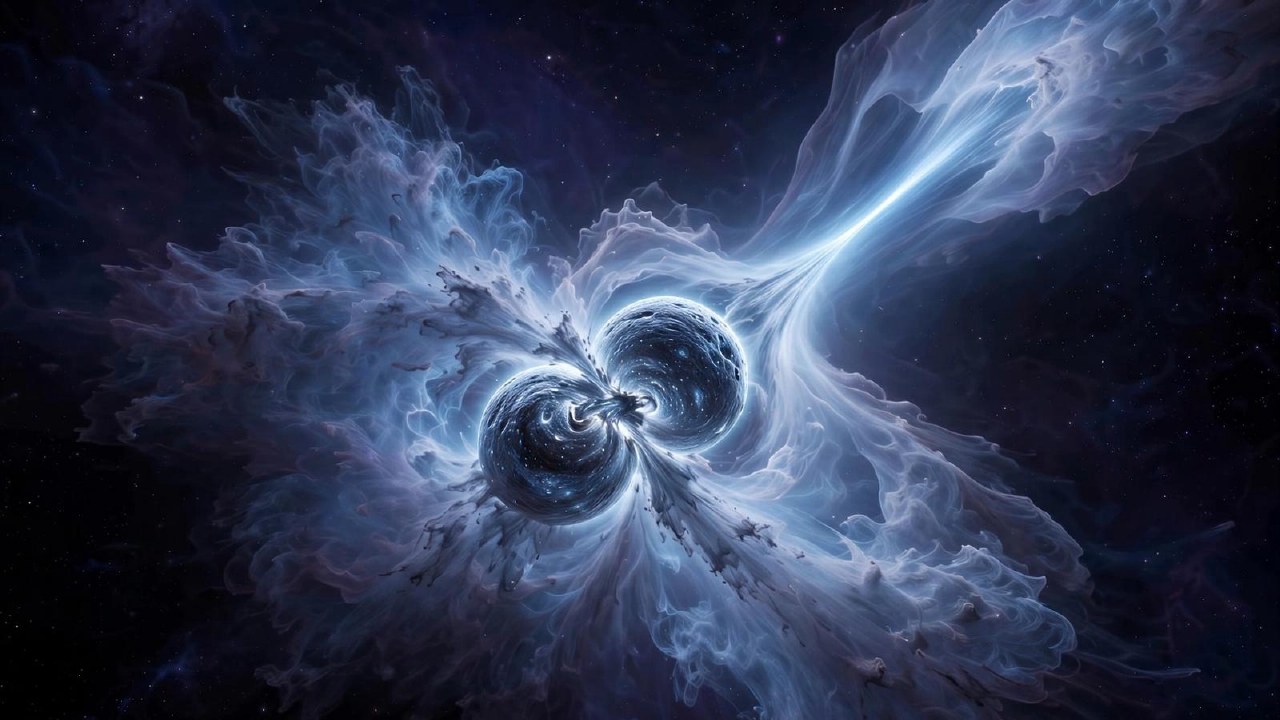
Astronomers have identified a second-generation exoplanet orbiting the white dwarf HS 0209+0832, located approximately 270 light-years from Earth. The findings, published on October 5 in the journal Nature Astronomy, suggest the planet formed from material ejected by the star during its transition from a red giant.
Data from the Hubble Space Telescope revealed high concentrations of heavy elements in the white dwarf's spectrum, including aluminum, titanium, nickel, zinc, copper, and niobium. Researchers believe these elements are signatures of the s-process, which occurs within dying stars, and were incorporated into the new planet.
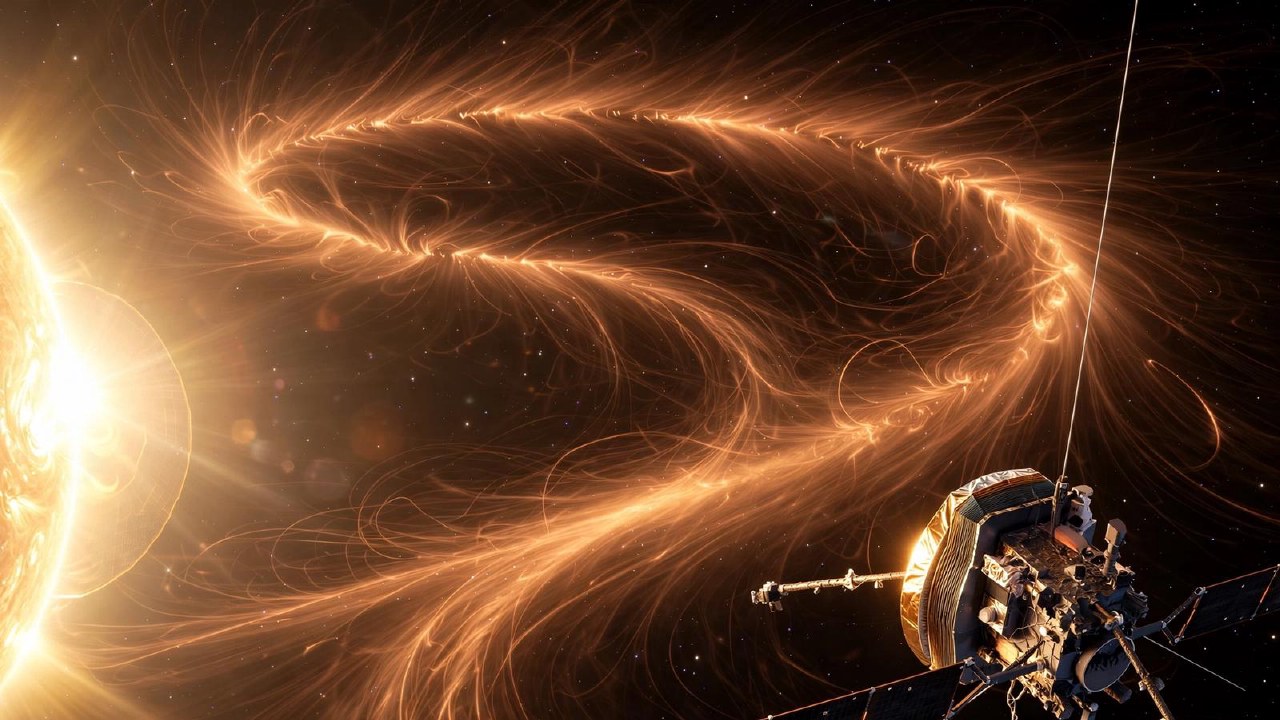
The exoplanet has an orbital period of about 4.4 Earth days and is estimated to be roughly the size of Jupiter. Observations of periodic dips in the star's brightness suggest the planet is currently losing its atmosphere due to the stellar wind from the white dwarf.
While planets have previously been found near pulsars, this is the first time a second-generation world has been observed around a white dwarf. Scientists hypothesize that a companion star may have been necessary to retain the ejected material and facilitate the formation of the planet's protoplanetary disk.