An international research team, including scientists from UC Berkeley, Lawrence Berkeley National Laboratory, and the University of Oxford, has identified two niobium-titanium-based alloys that maintain high fracture resistance at temperatures as low as 20 Kelvin, or minus 253 degrees Celsius.
The experiments were conducted at the ISIS Neutron and Muon Source in Oxfordshire, UK, using the Engin-X instrument. Researchers cooled the samples with helium and performed bidirectional tensile tests under neutron beam irradiation to measure load capacity and elongation before fracture.
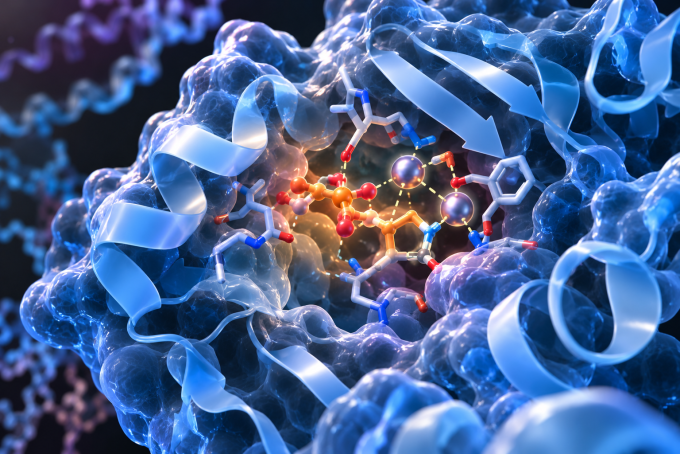
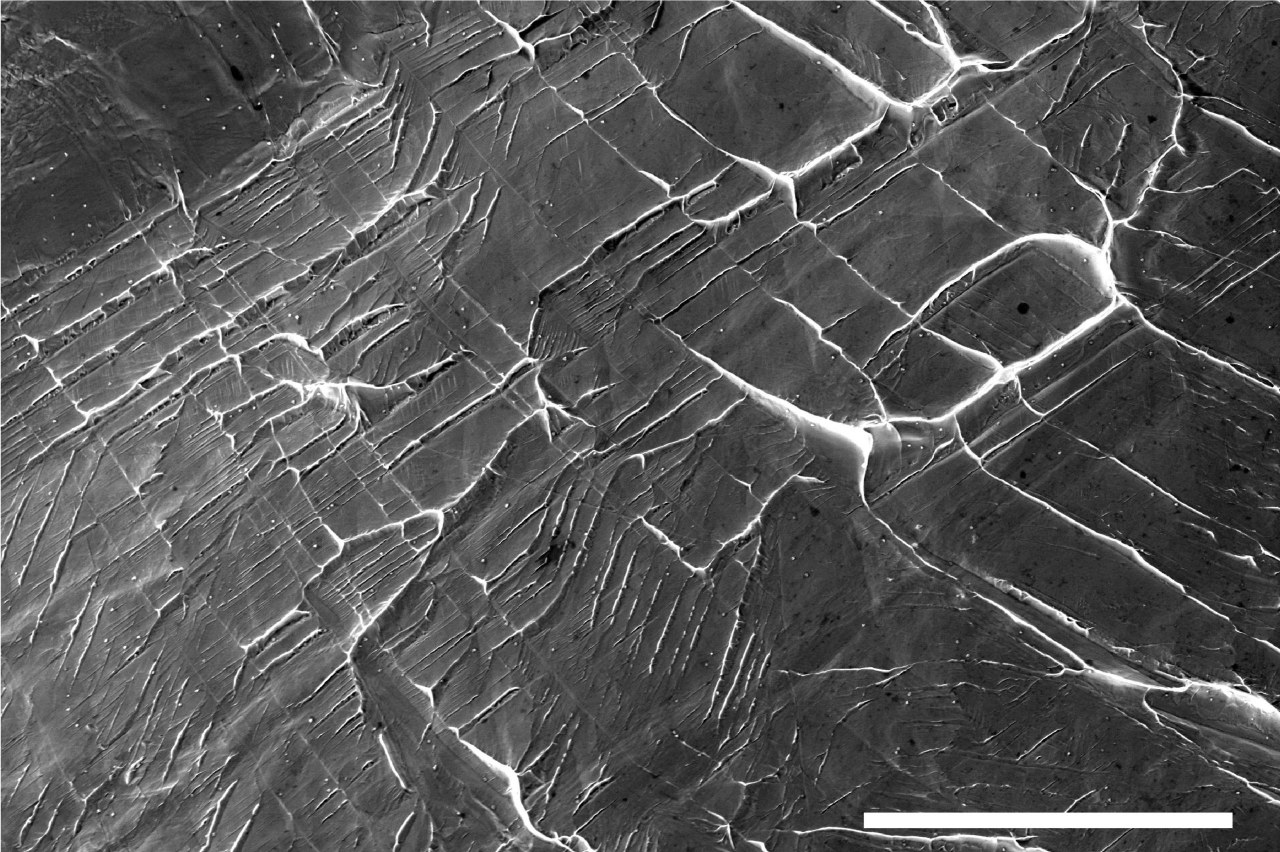
Microscopic analysis revealed that the alloys maintain toughness through the formation of nanotwins. This structural change creates mirror-symmetric regions and local crystal transformations, which trigger new defects that allow the material to continue deforming under stress instead of fracturing.
This mechanism functions similarly to an emergency traffic system, where new deformation pathways are created when traditional dislocation movement is restricted by extreme cold. The findings challenge the long-standing assumption that body-centered cubic metals inevitably become brittle at cryogenic temperatures.
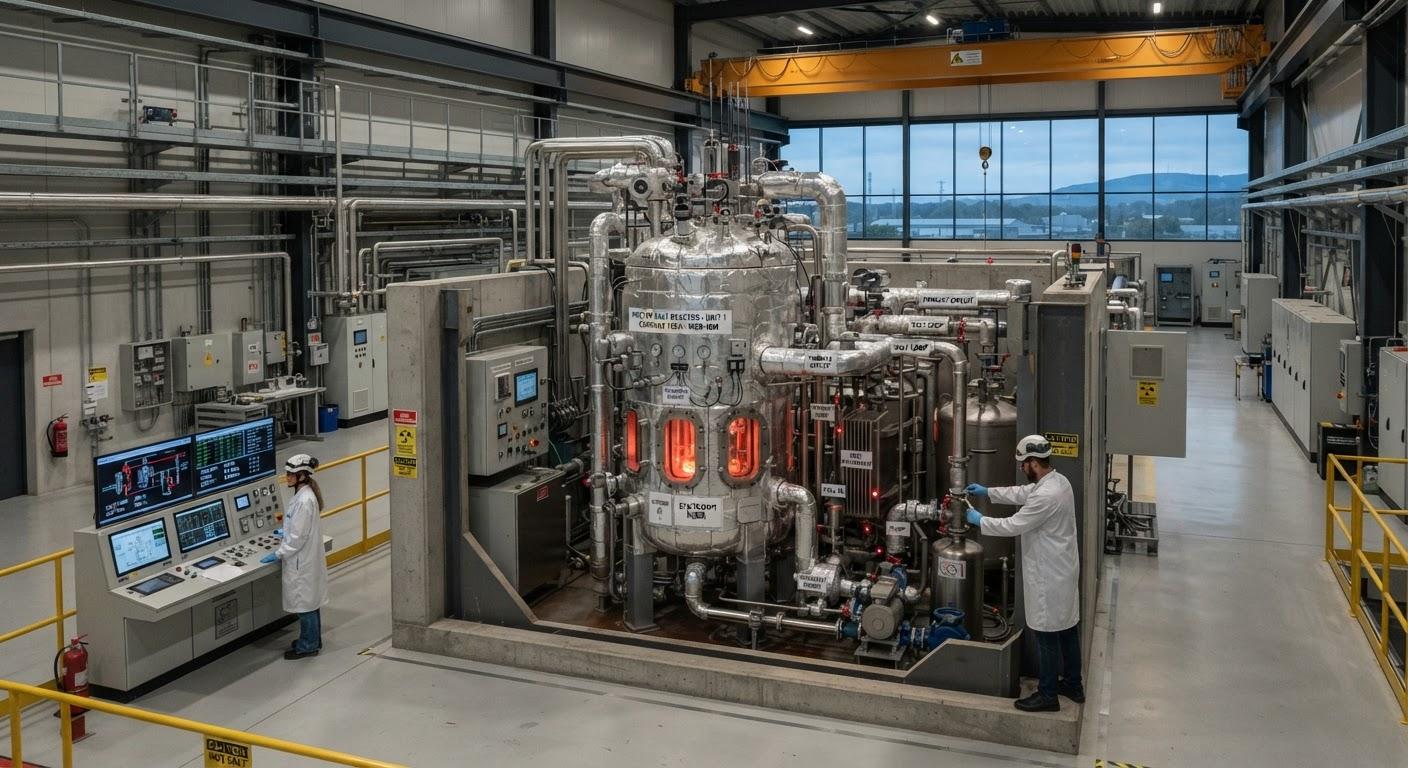
The study, published in the journal Nature, suggests that these alloys could be used in fusion energy reactors, quantum computing equipment, spacecraft, and hydrogen infrastructure. The team plans to investigate whether this mechanism applies to other metal systems to develop materials for even harsher environments.