

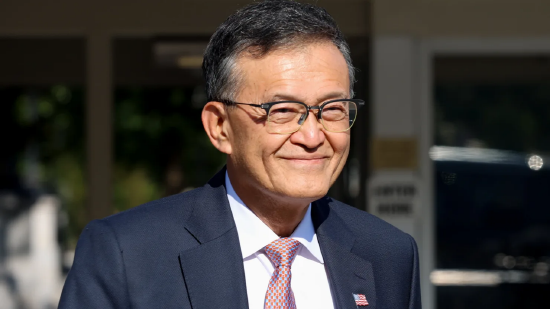
Intel CEO Pat Gelsinger stated that the industry must reduce its reliance on TSMC for wafer foundry services to mitigate risks. He noted that currently, 95% of production capacity is concentrated in a single company, which poses significant supply chain vulnerabilities for major US firms like Nvidia, AMD, and Apple.
Intel is prioritizing its foundry business, focusing on advanced packaging and chip design integration. The company is investing heavily in capital expenditures to improve manufacturing processes. Despite past yield challenges with the 14A process, Intel agreed in April to provide this technology to the Terafab project, led by Tesla and SpaceX, with the first product expected by mid-2028.
To strengthen its manufacturing and backend capabilities, Intel hired former SK Hynix CEO Lee Seok-hee as a senior vice president in June. Industry experts suggest this move may lead to collaboration on logic chiplets for high-bandwidth memory. Gelsinger also highlighted the EMIB advanced packaging technology as a key component of Intel's strategy.
Gelsinger emphasized a surge in CPU demand, noting that Intel currently meets only 50% of customer needs. He expects this shortage to persist as the number of AI agents grows into the trillions. While GPUs handle model training, CPUs remain essential for orchestrating AI inference tasks and managing complex application workflows.


