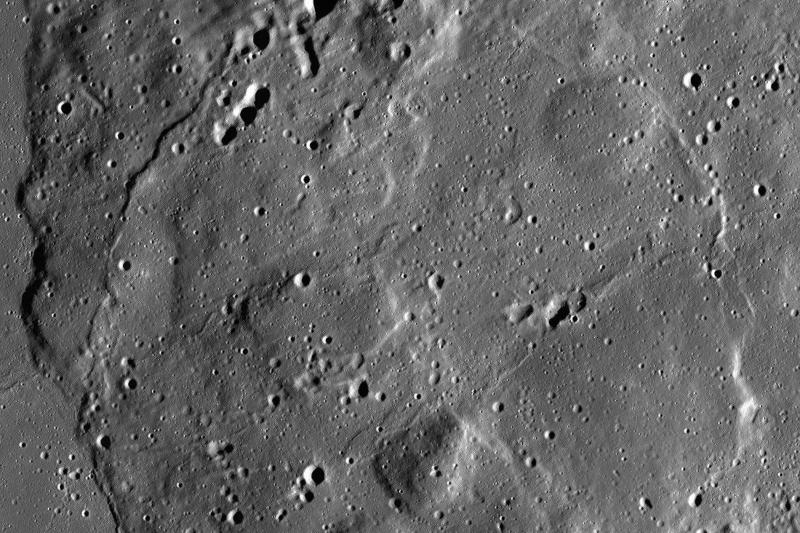
IBM and NASA have released the NASA-IBM Lunar Foundation Model, an open-source AI system designed to assist scientists in analyzing lunar data. The model is part of the Prithvi family of geospatial AI tools developed by the two organizations.
The system was trained on over 30 data layers collected from nine instruments across four NASA missions, including the Lunar Reconnaissance Orbiter. It helps researchers identify potential ice deposits in shadowed regions, map craters for landing site selection, and study volcanic formations.
In comparative tests, the new model identified key lunar surface features with 23 percent higher accuracy than existing methods. Previously, researchers relied on manual analysis or lower-resolution machine learning tools for these tasks.
The project supports US plans to land astronauts on the Moon in 2028. Identifying lunar ice is critical, as it provides water and oxygen for future lunar bases and potential rocket fuel for missions to Mars.