

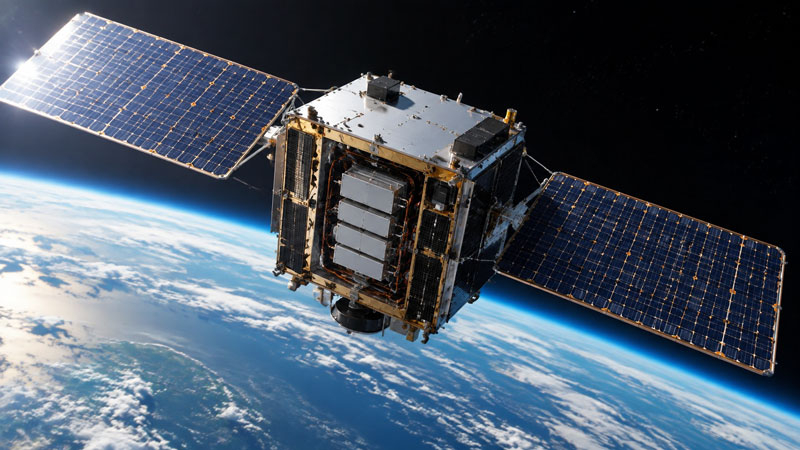
Google is launching its first orbital experiment under the Suncatcher project to test AI computing infrastructure in space. The mission aims to evaluate how TPU accelerators handle launch stress, radiation, and temperature fluctuations, while testing a specialized vacuum cooling system.
The launch is scheduled for October 1, 2026, aboard a SpaceX Falcon 9 rocket from Vandenberg Space Force Base. The satellite, developed in partnership with Planet, carries four Google TPU accelerators used for machine learning and Gemini model testing.
The satellite's solar panels provide approximately 1 kW of power. Due to the lack of air for cooling in space, the TPU units are limited to 15-minute operational bursts, after which they must be powered down to dissipate heat through a custom radiator panel.
Google previously tested the TPU hardware against proton beams, confirming it could withstand radiation levels exceeding five years of orbital exposure. This mission serves as a preliminary step toward building future orbital computing infrastructure.
While the current experiment focuses on a single satellite, Google maintains its 2027 roadmap. That year, the company plans to launch two additional satellites to test inter-satellite laser communication links.

