Google Tests AI Accelerators in Orbit with Project Suncatcher
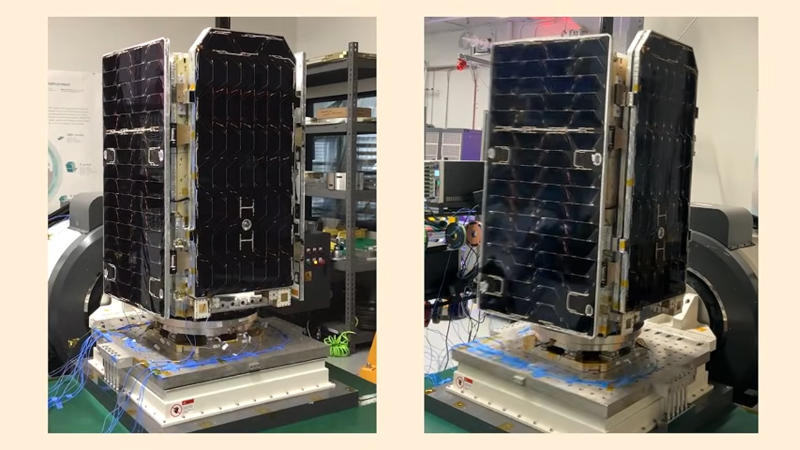
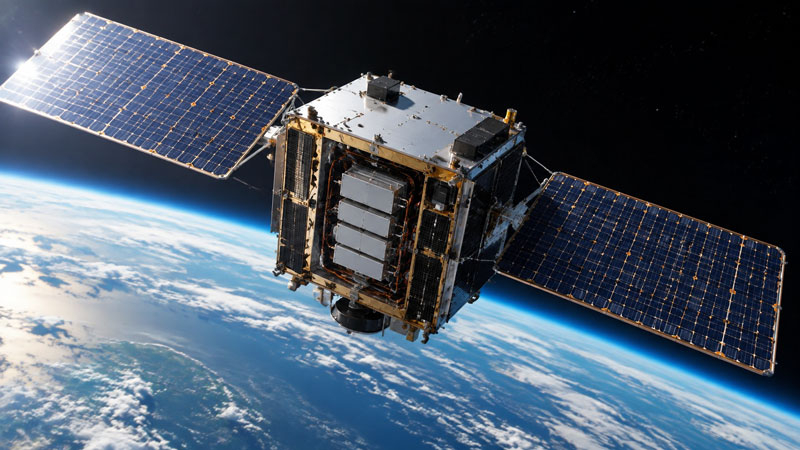
Google has launched the Project Suncatcher satellite, testing the use of its TPU AI accelerators in space to potentially power future orbital data centers.

Google has launched the Project Suncatcher satellite, testing the use of its TPU AI accelerators in space to potentially power future orbital data centers.

Google is set to launch its Project Suncatcher satellite on October 1, 2026, to test the viability of running AI inference workloads in low Earth orbit.

Broadcom is backing up to $42 billion in infrastructure leases for Anthropic to fund AI compute capacity through a private-credit structure led by Apollo and Blackstone.

Alphabet is expanding its hardware business by selling TPU systems directly to enterprises, though production constraints at TSMC and heavy capital spending impact short-term cash flow.

Google will launch a satellite carrying four TPU accelerators on October 1 to test AI computing capabilities in orbit, with operational sessions limited to 15 minutes due to thermal constraints.

Google is testing its proprietary AI chips in orbit through the Project Suncatcher initiative to evaluate the feasibility of space-based computing infrastructure.

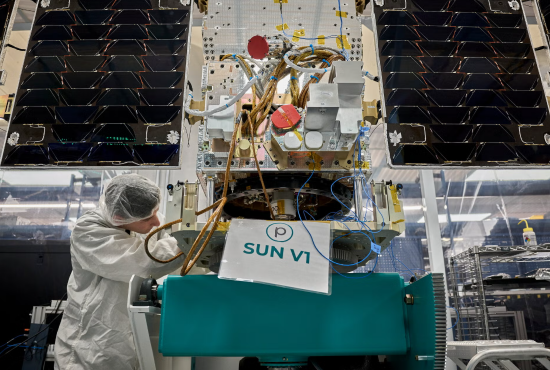
Google will launch its MVP orbital data center test on October 1, utilizing a Planet Labs satellite equipped with four TPU AI accelerators to evaluate hardware performance in space.

Google is set to launch its MVP experimental satellite on October 1 to test the viability of space-based AI data centers powered by solar energy.

Google has announced Project Suncatcher, an initiative to launch solar-powered satellites equipped with AI chips to create orbital data centers by the mid-2030s.

Google DeepMind is preparing to launch its next flagship AI model, Gemini 4, which is expected to arrive well before the end of the year.

Researchers at Tomsk Polytechnic University have introduced a mechanical surface treatment method that increases the luminescence efficiency of ceramic materials by up to 4%.