

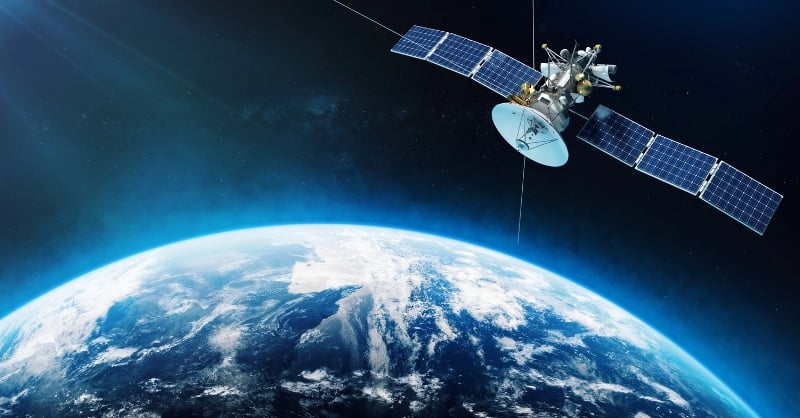
Google has launched a prototype satellite for Project Suncatcher, carrying four of its Tensor Processing Units into orbit via a SpaceX mission. The hardware, equivalent to one data center server, is being tested for its ability to withstand launch stress, radiation, and extreme temperatures. Google plans to conduct further tests in 2027, focusing on high-bandwidth laser links between two satellites.
The startup Starcloud, formerly Lumen Orbit, has raised $450 million in total funding. Its latest round in August 2026 included a $250 million extension, valuing the company at $2.3 billion. Starcloud has already deployed an NVIDIA H100 chip in orbit and filed for a constellation of up to 88,000 satellites. The company aims to launch more advanced GPUs into space.
Cowboy Space, founded by Baiju Bhatt, secured $275 million in a Series B round in May 2026, reaching a valuation of $2 billion. The company plans to test solar power transmission from space to Earth, with a launch targeted before the end of 2028. Meanwhile, the European market remains smaller, with private investment in space data centers significantly trailing the US.
Economic viability remains a challenge for orbital computing. Google estimates that cost parity with terrestrial data centers requires launch costs to drop to $200 per kilogram by the mid-2030s. Starcloud expects its operations to become competitive if SpaceX Starship launch costs reach $500 per kilogram by 2028 or 2029, though current costs remain significantly higher.



