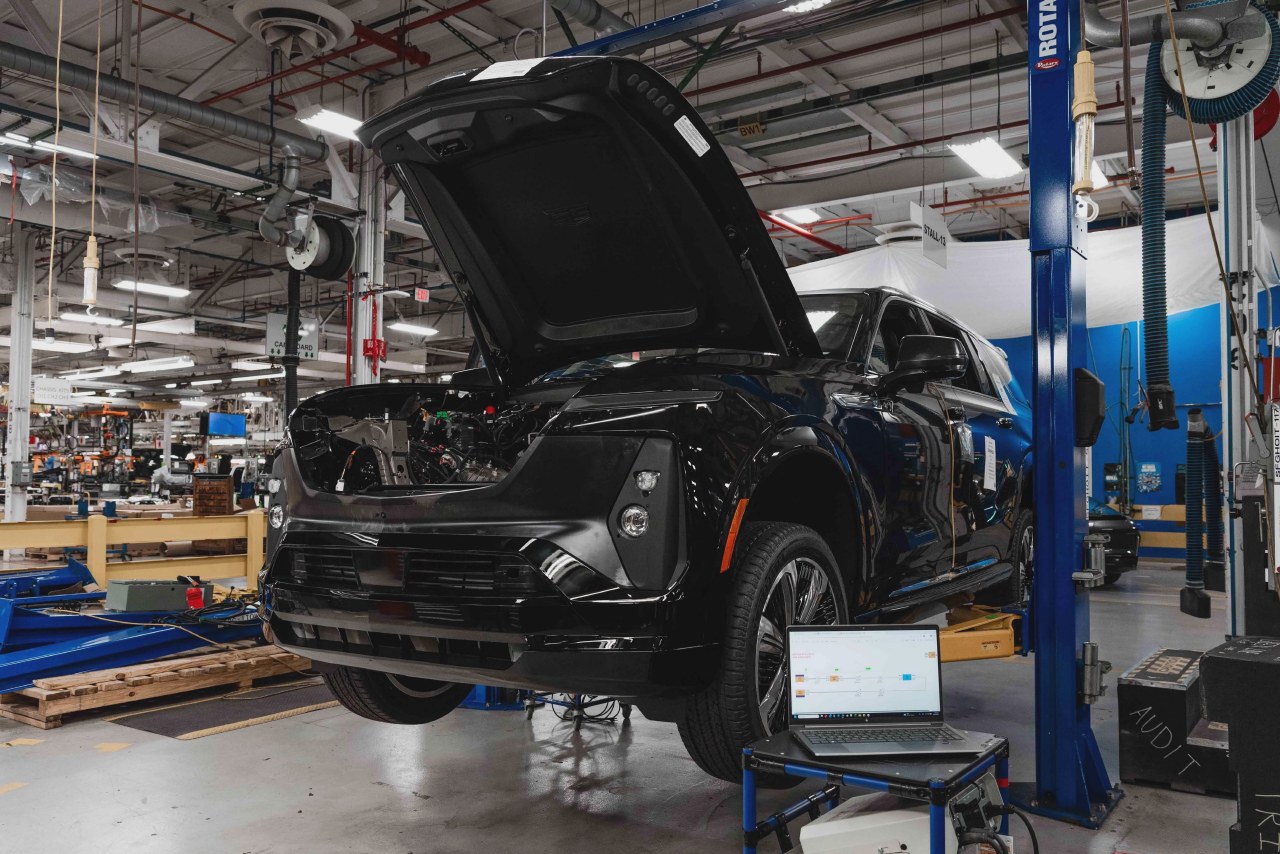
General Motors has unveiled its fourth-generation electric vehicle platform, focusing on a new central computing architecture rather than traditional mechanical specifications. The company aims to integrate vehicle systems, including power, steering, and safety, through a centralized unit that is 40 times more powerful than its current systems.
This technological shift is designed to reduce wiring by 30%, which decreases vehicle weight and simplifies assembly. The new architecture will debut in 2028 with the Cadillac Escalade IQ and will eventually be implemented across the company's fossil fuel models as well.
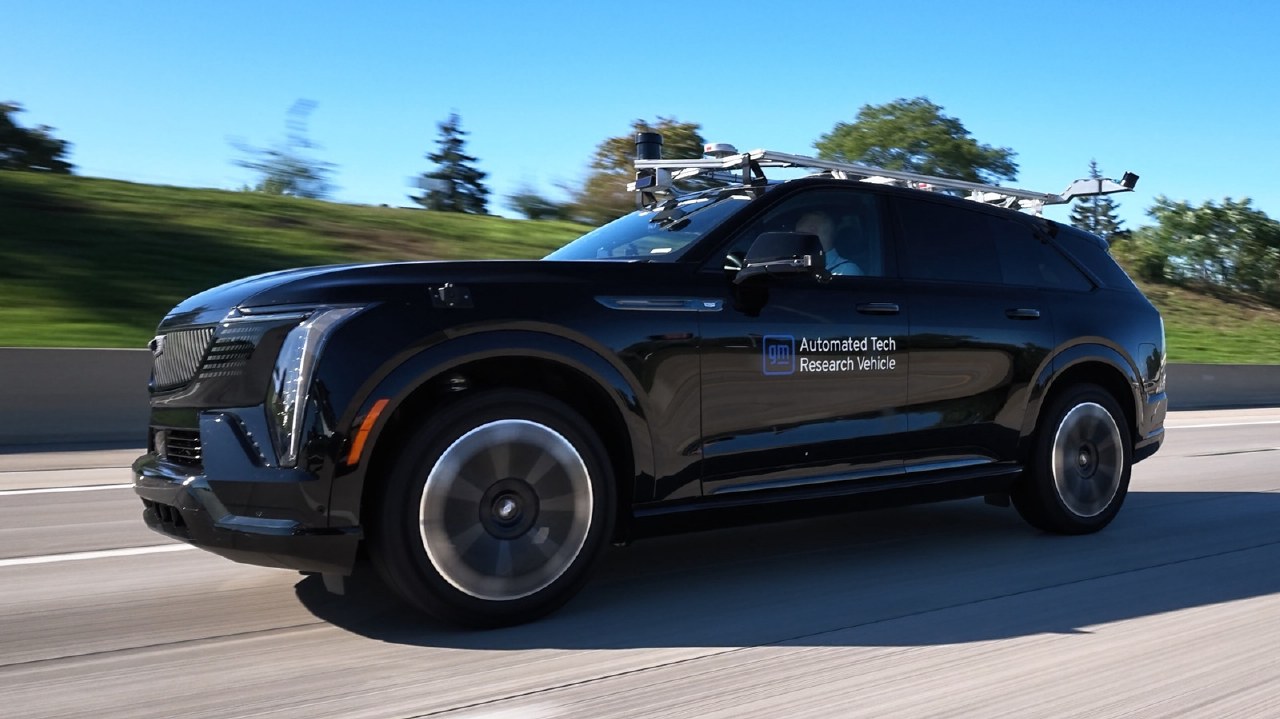
GM is also introducing an autonomous highway driving feature in 2028 that will allow for hands-free and eyes-off operation. These developments are part of a broader strategy to compete with Chinese manufacturers by accelerating vehicle development cycles from the traditional four-to-five-year window to two-to-three years.
To achieve this, the company is using enterprise AI tools to streamline engineering. For instance, engineers analyzed 300,000 virtual battery designs before building a physical prototype, allowing a concept to reach program approval in one month. In 2025, GM reported a capitalized software amortization expense of $866 million.