General Motors unveiled a new technology roadmap at its Onward event in New York, aiming to transition into a software and AI-driven enterprise. The company plans to leverage artificial intelligence to cut new vehicle development cycles from the traditional four to five years down to approximately two years.
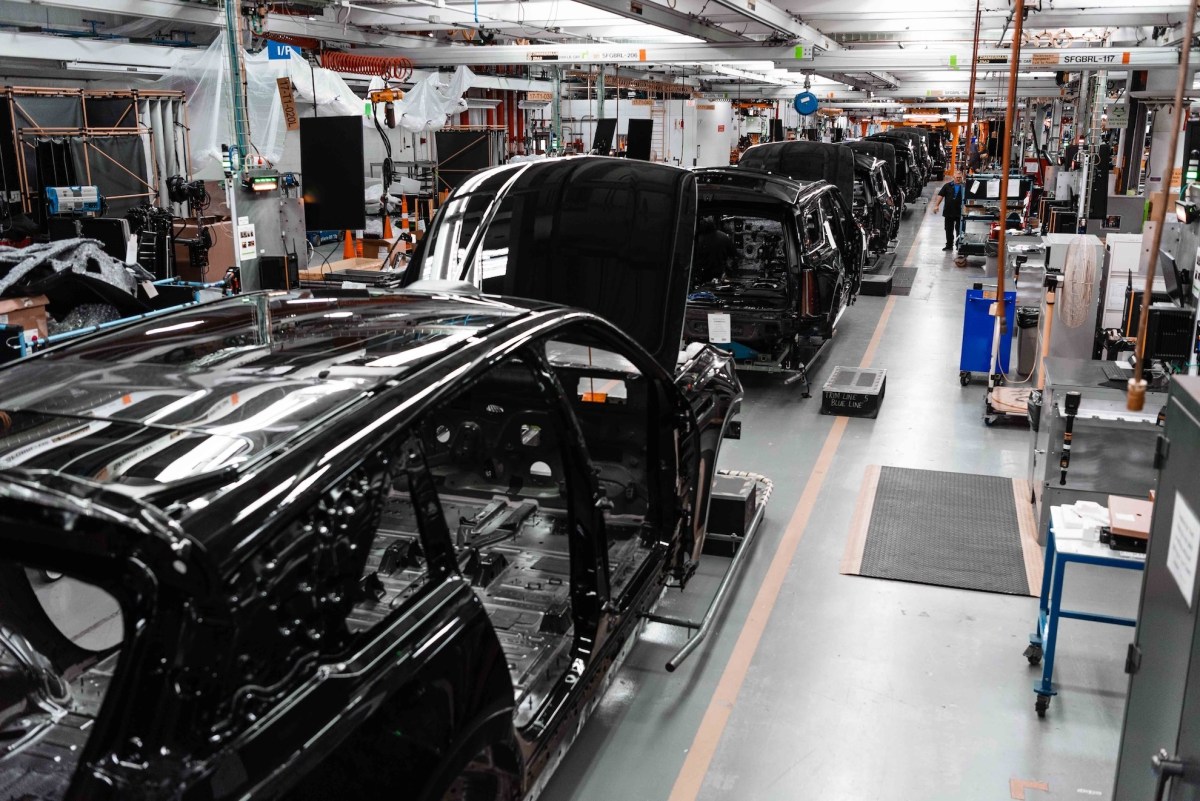
The strategy centers on a digital thread virtualization system that integrates design, engineering, testing, and manufacturing. GM reports that AI can now perform aerodynamic testing in seconds instead of hours and complete structural analysis in hours rather than months, utilizing decades of historical engineering data.
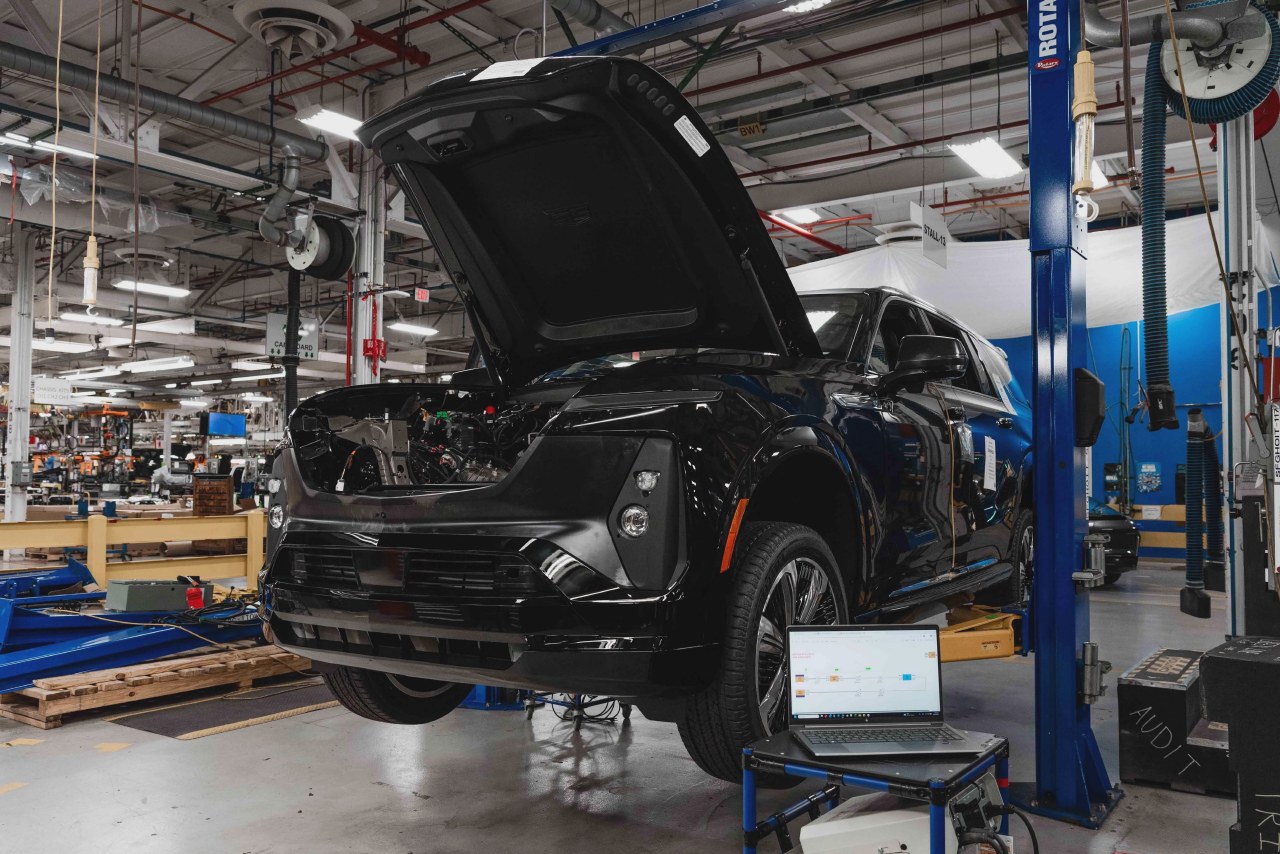
The automaker is developing a new central computing platform that offers up to 40 times the performance of existing systems. This hardware will support advanced AI features, vehicle integration, and next-generation battery research, where digital simulations will replace many time-consuming physical tests.
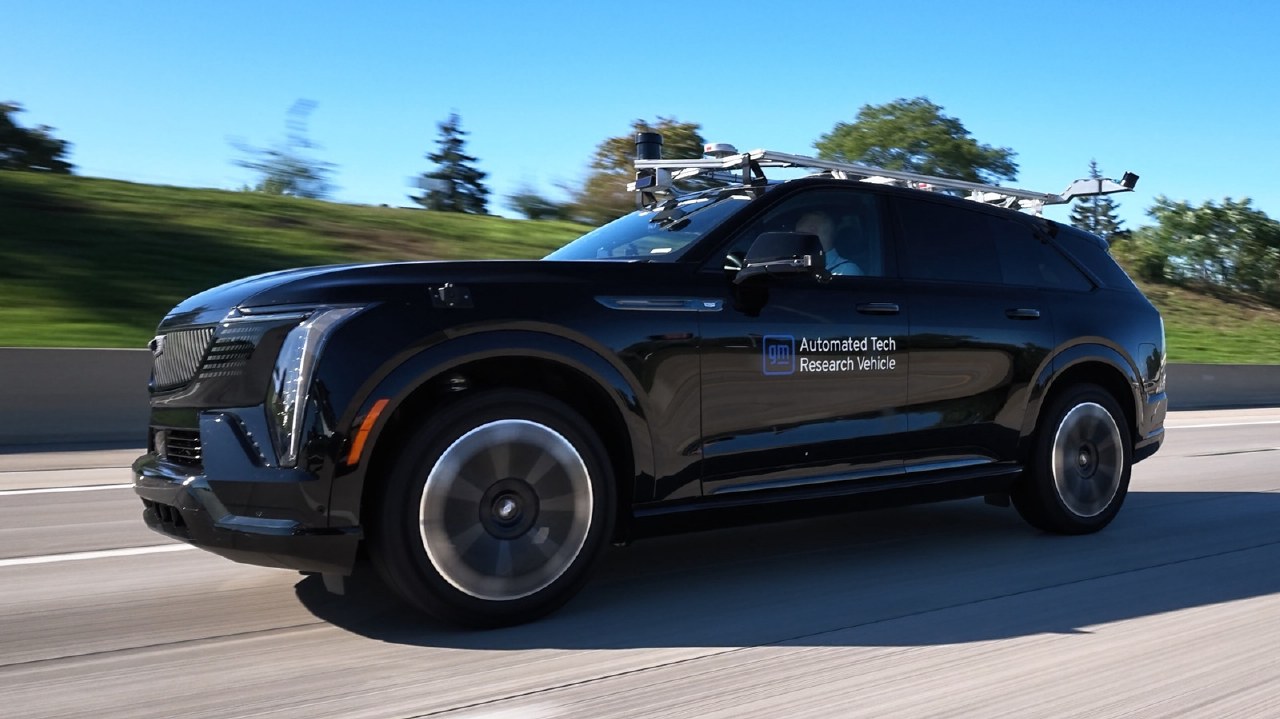
GM intends to launch an eyes-off highway autonomous driving system by 2028. The technology will debut in the Cadillac Escalade IQ before expanding to high-volume models, including large SUVs and pickup trucks, to compete with emerging EV manufacturers.
Additionally, the company is upgrading its OnStar platform into an AI-powered service center. This digital assistant will manage voice interactions, vehicle controls, and navigation, aiming to provide personalized services throughout the entire ownership lifecycle of both internal combustion and electric vehicles.