The project involves five key partners: LSTC, Hokkaido University, Fujifilm, GE HealthCare, and imec. The collaboration is commissioned by Japan's NEDO organization and focuses on creating an AI inference chip built on a 2nm process node.
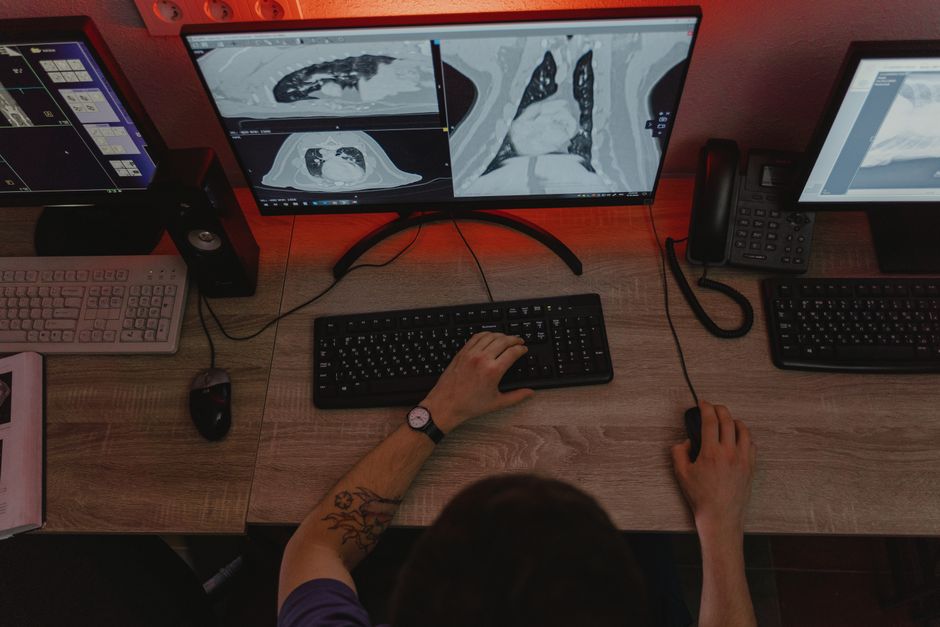
The chip aims to support real-time medical diagnostics by processing massive data from photon-counting CT scanners. It will also enable real-time clinical support by overlaying ultrasound images with CT and MRI data, alongside identifying surgical tools and anatomical structures during procedures.
Development will initially utilize the IBM Spyre accelerator before transitioning to the final hardware. The team targets performance metrics exceeding current GPU capabilities by over five times in processing speed and more than ten times in energy efficiency.
Following the development phase, the partners intend to conduct clinical trials at the Hokkaido University Hospital. This initiative seeks to integrate advanced AI processing directly into medical imaging workflows to improve diagnostic and surgical outcomes.