The FAA is introducing the SMART system, an AI-powered tool designed to predict air traffic flows and identify potential conflicts. The system analyzes airline schedules, weather, airport capacity, and airspace conditions to suggest efficient routes and departure times. It aims to reduce fuel consumption, improve on-time performance, and speed up recovery from congestion.
The project is part of a $875 million, 12-year contract awarded to Boston-based Air Space Intelligence in June. The contract also includes the development of a Flow Management Data and Services system. SMART is intended to operate as a predictive layer above this new data backbone, providing alternative route information without altering existing air traffic control procedures.
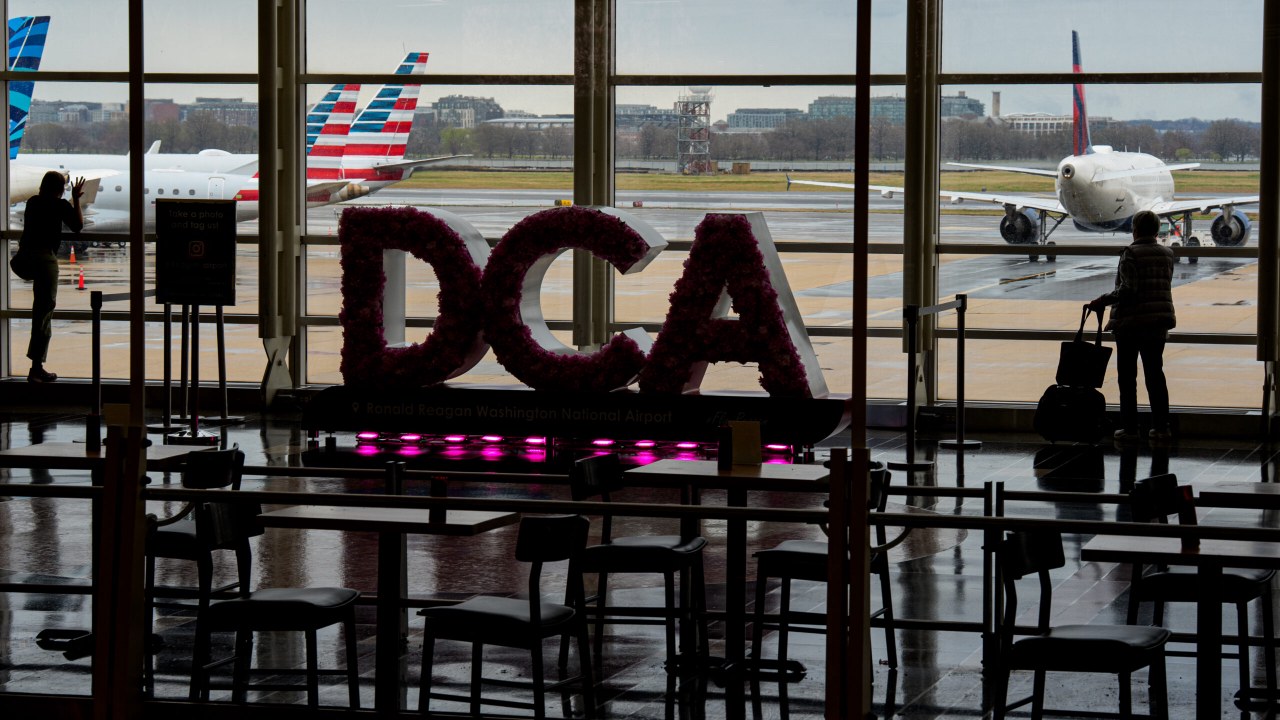
A limited rollout of SMART is scheduled for three major airports in the Washington, DC, area as early as September 21. The system is expected to initially manage aircraft flying at 24,000 feet and above. The FAA is implementing these technologies amid a long-standing shortage of air traffic controllers, with the agency reducing its staffing requirements for 2026–2028 by approximately 2,000 positions.
The aviation industry has expressed concerns regarding the deployment, citing the need for clarity on accountability for AI predictions. The FAA faces these challenges while simultaneously upgrading aging infrastructure, including radar systems from the 1980s. The agency's workforce has faced significant pressure, including hiring freezes, government shutdowns, and layoffs that affected support staff.