Researchers at the Gran Sasso National Laboratory in Italy have conducted an experiment to test a 1960s theory by Frigyes Karolyhazy. The theory suggested that spacetime fluctuations could cause quantum decoherence, explaining why macroscopic objects follow classical physics rather than quantum mechanics.
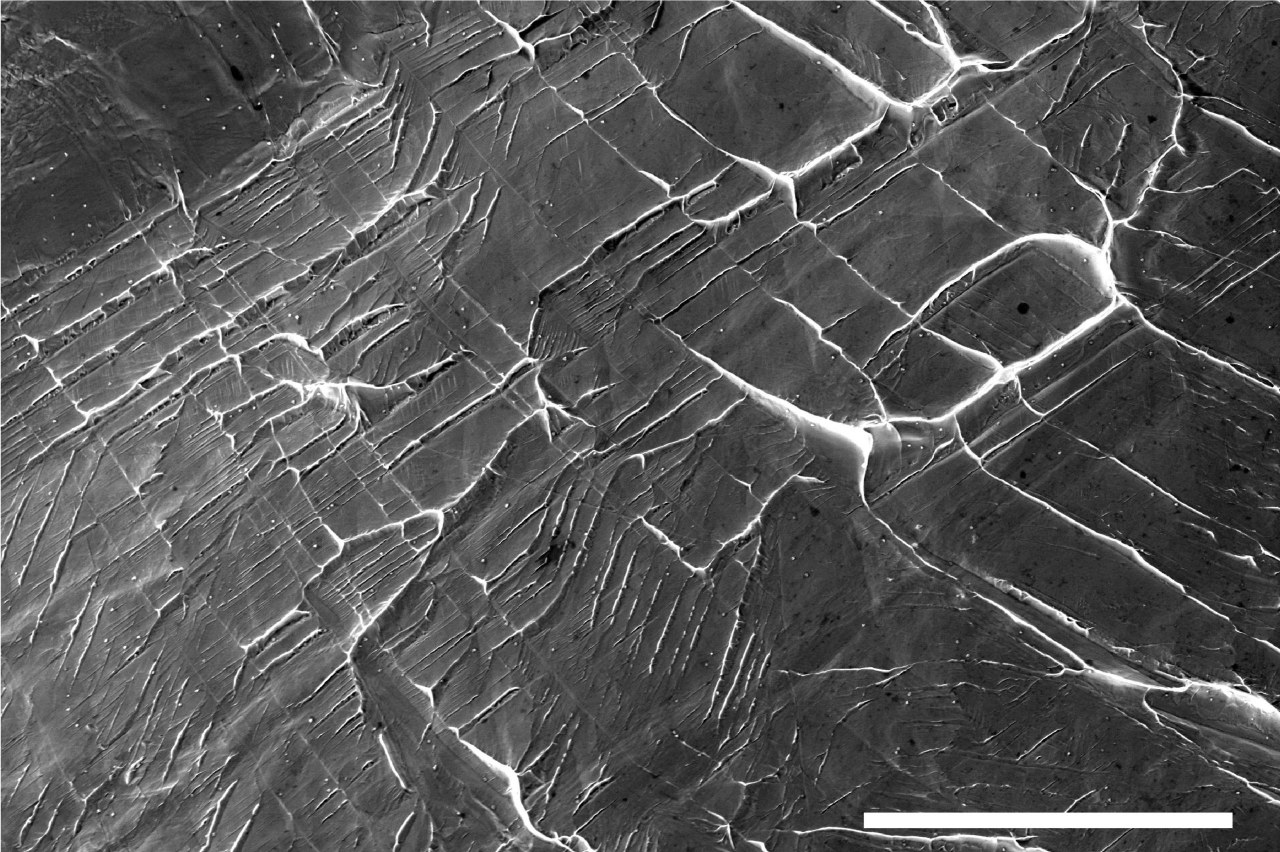
The experiment involved monitoring a high-purity germanium crystal, roughly the size of a coffee cup, for 62 consecutive days. The team aimed to detect weak electromagnetic radiation that the model predicted would be emitted if charged particles were randomly accelerated by spacetime fluctuations.
The detector was placed 1.4 kilometers underground to minimize background interference from cosmic rays. Despite the high sensitivity of the setup and the extensive data collection period, the researchers did not observe the predicted radiation signals.
The study, published in the Journal of Physics A on June 19, 2026, officially excludes this specific version of the gravity-induced decoherence model. While this does not disprove all links between gravity and quantum mechanics, it narrows the scope for future theoretical research.
This work highlights the shift in fundamental physics from purely mathematical speculation to rigorous experimental validation. Scientists emphasize that ruling out established theoretical models is a critical step in refining our understanding of how quantum effects transition into the classical world.