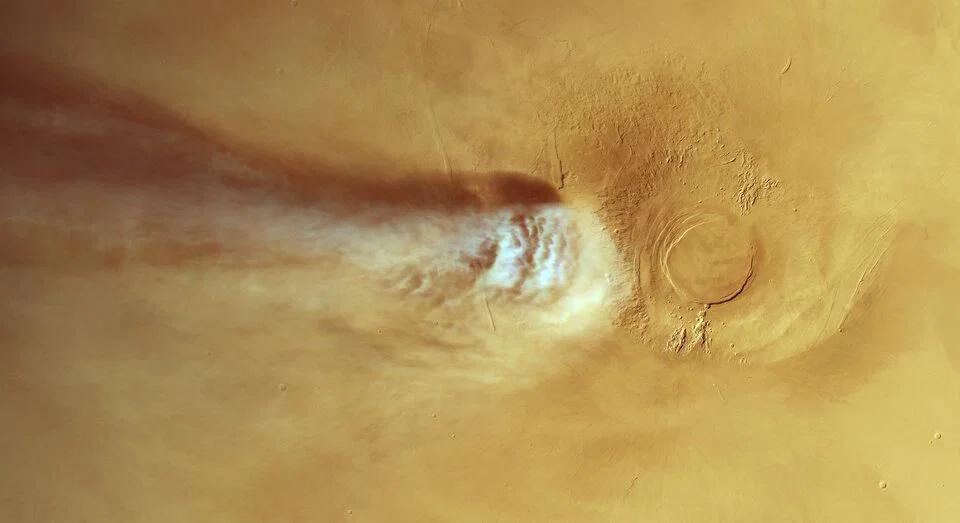
New Study Reveals Exotic Physics Behind Massive Martian Cloud
Researchers have discovered that a massive, recurring cloud on Mars forms through a rare physical process never before observed in any planetary atmosphere.

Researchers have discovered that a massive, recurring cloud on Mars forms through a rare physical process never before observed in any planetary atmosphere.

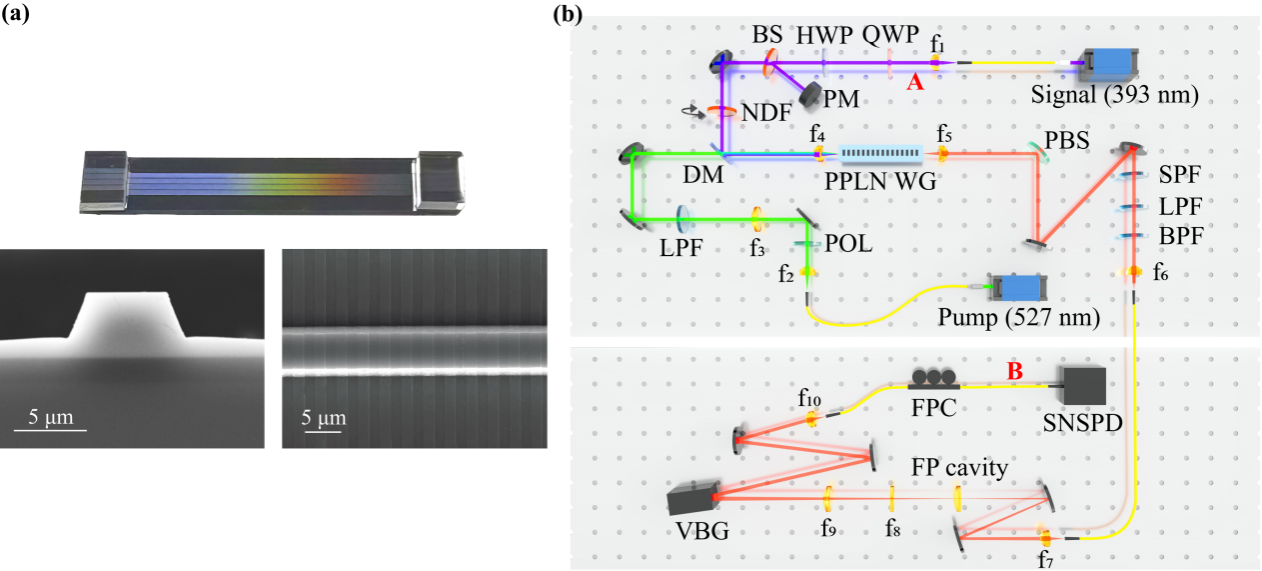
Researchers in China have set a new record for quantum frequency conversion efficiency, enabling long-distance fiber optic transmission for trapped ion quantum networks.

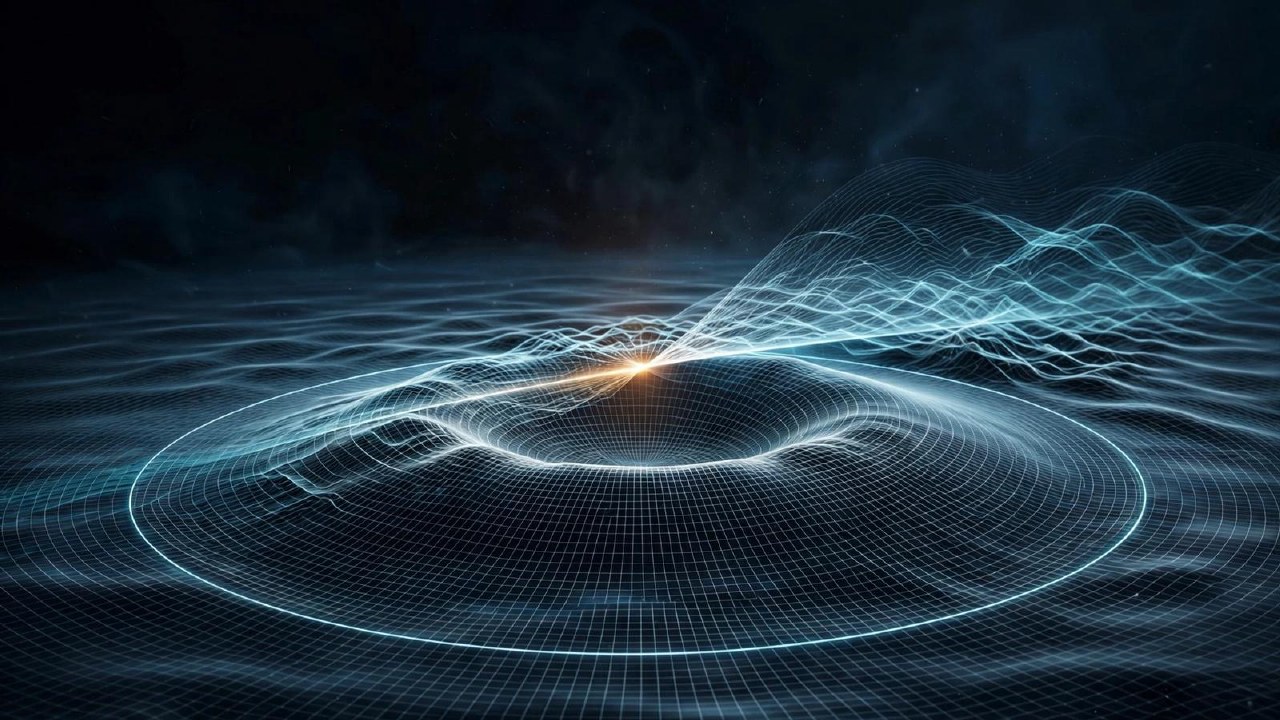
Physicists from the University of Leipzig have linked Einstein's gravitational equations to quantum information theory, proposing that spacetime geometry arises from quantum state changes.

Topological photonics is emerging as a promising field for developing next-generation computing systems that bypass the constraints of traditional von Neumann architecture.

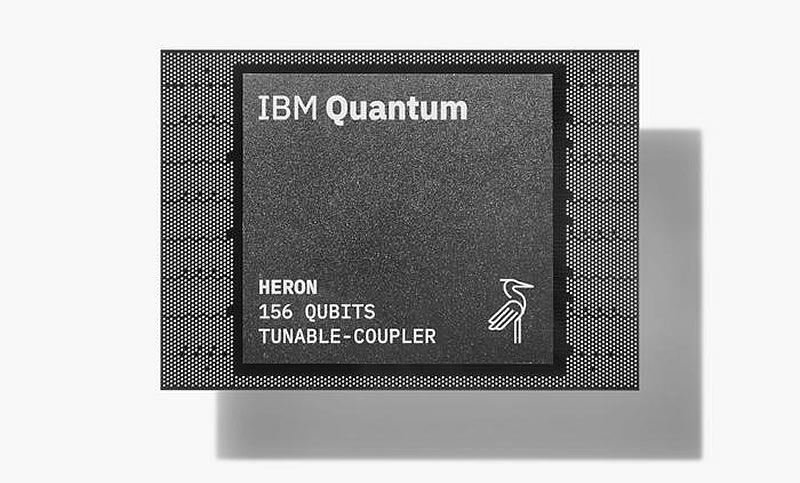
Researchers from Rutgers University and IBM have developed a method to enable real-time error correction in quantum computers using the 156-qubit IBM Quantum Heron processor.

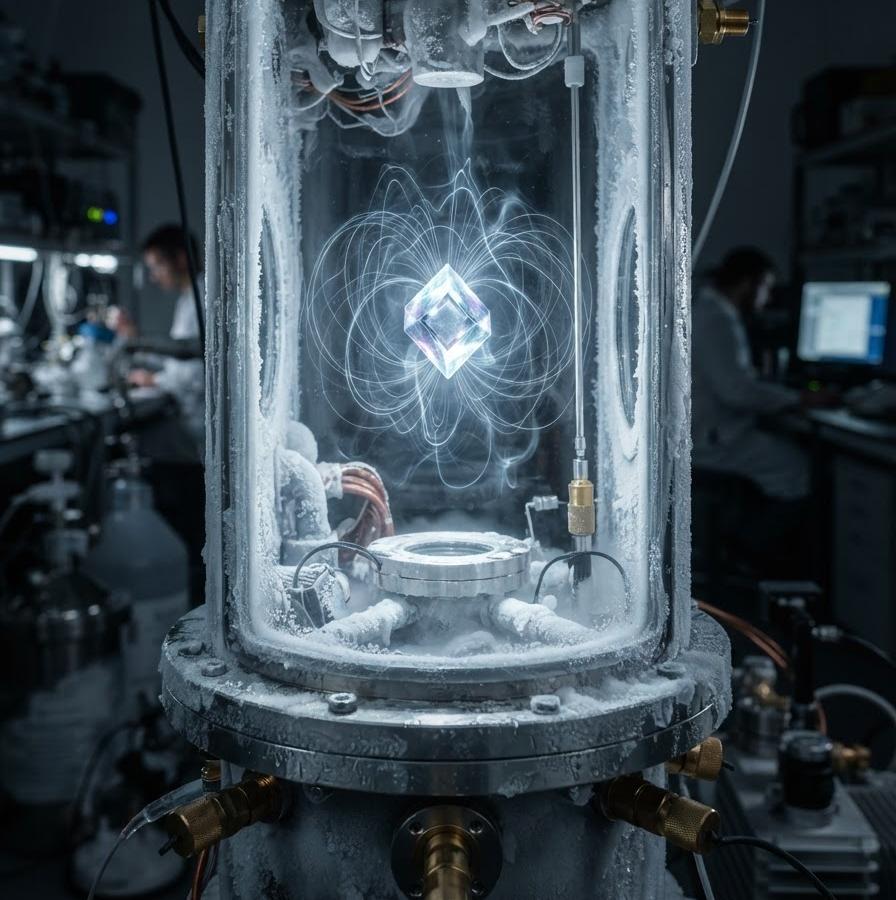
Researchers at TU Wien have unveiled a self-stabilizing nuclear clock prototype that achieves a precision of 1 second per 30 million years using thorium nuclei.

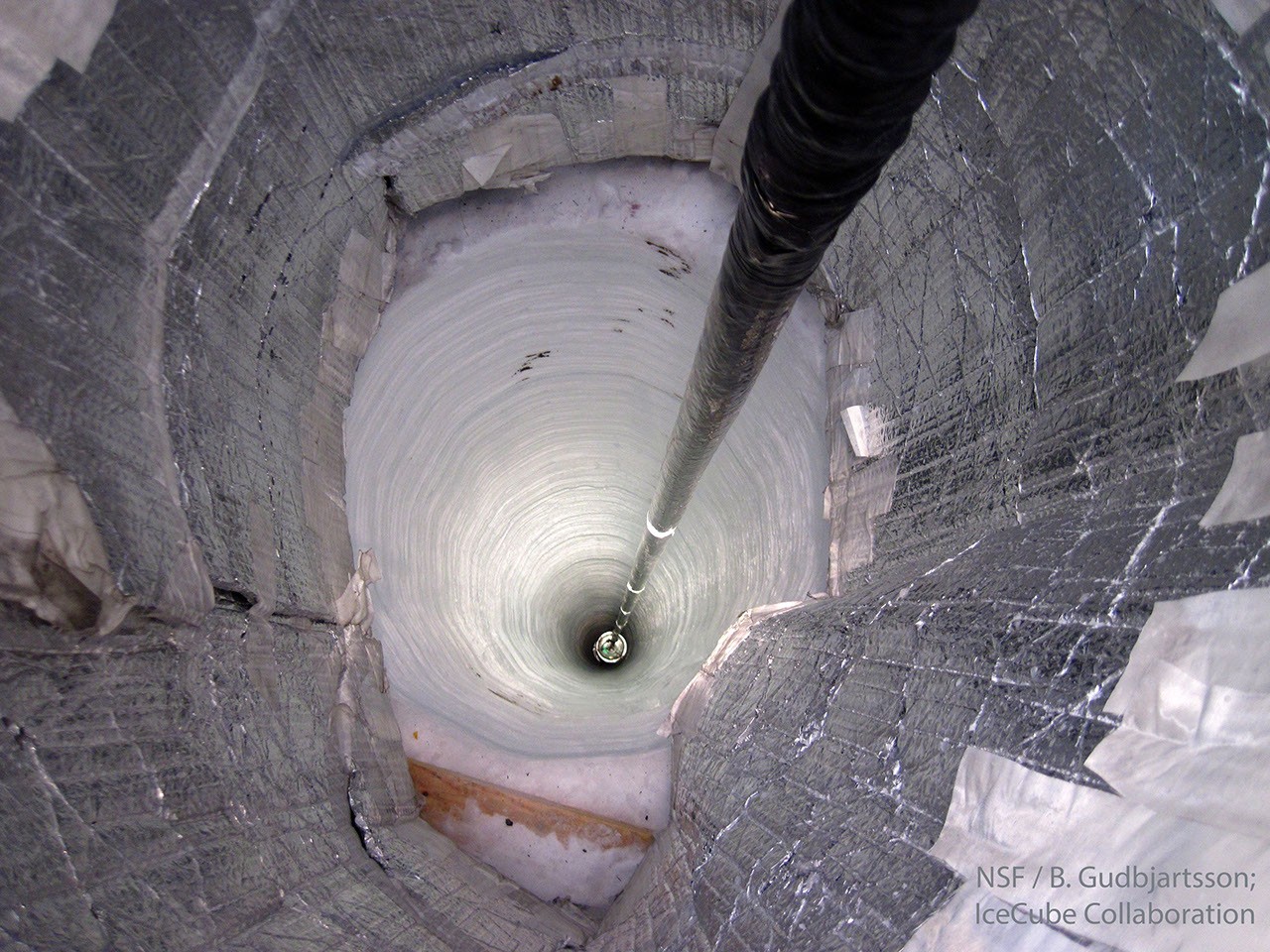
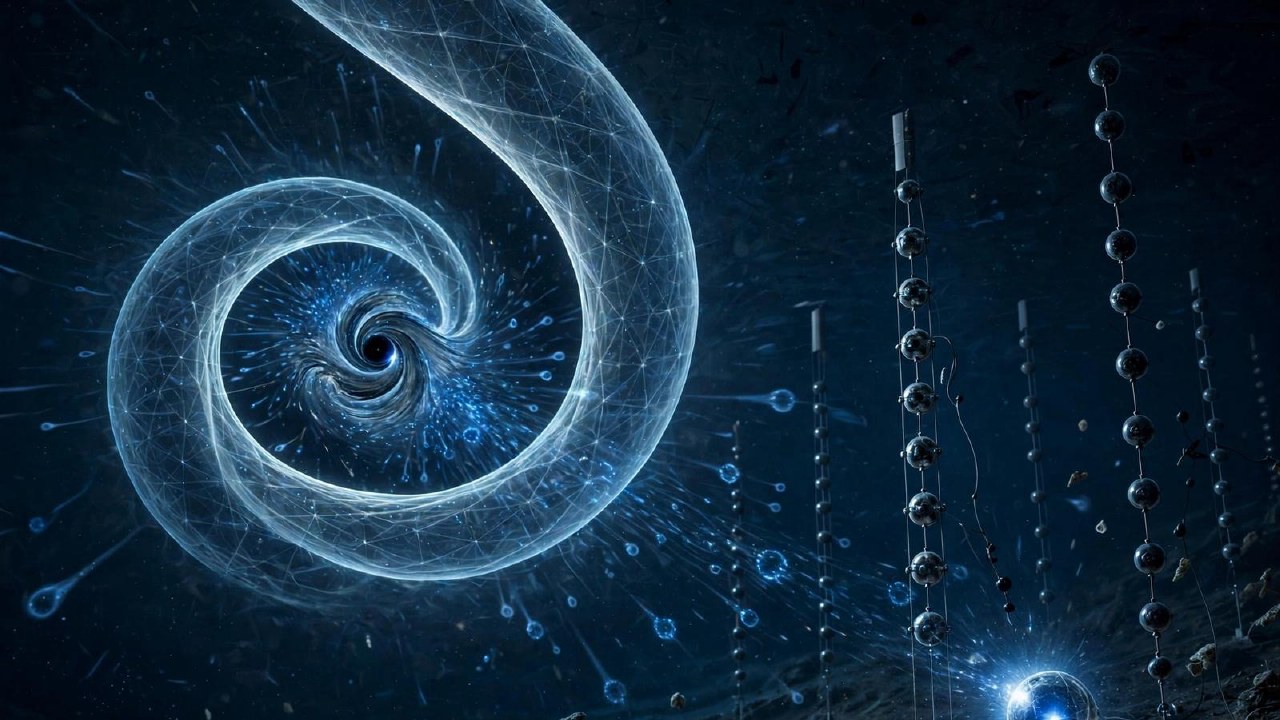
The IceCube Neutrino Observatory near the South Pole has become the world's largest neutrino detector, with a founding leader recently receiving the Nobel Prize in Physics.

Researchers have identified that a recurring 1,800-kilometer cloud on Mars forms through homogeneous nucleation, a theoretical physical process previously unobserved in nature.

Stephen Hawking's 1974 research introduced the concept of black hole evaporation, suggesting that these objects emit thermal radiation and can end in explosive bursts.

Chinese researchers have developed the world's first nuclear optical clock, utilizing thorium-229 transitions to achieve a new standard in precision timekeeping.
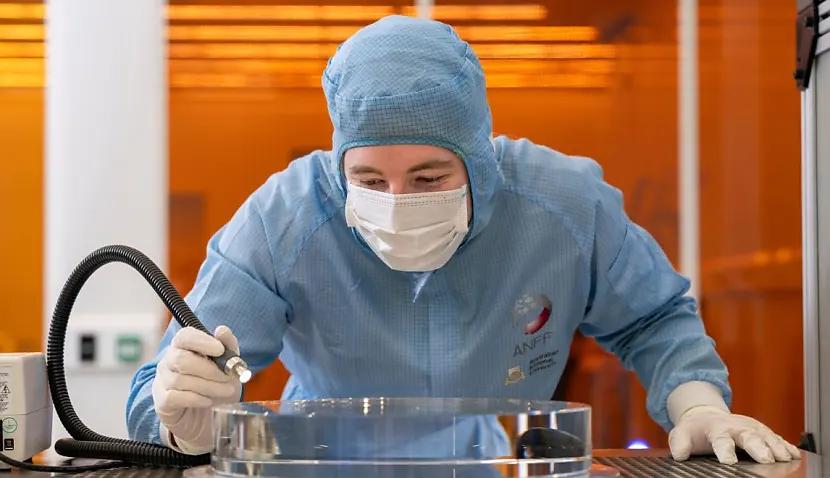
Australian National University researchers have developed high-precision optical coatings for LIGO detectors to improve the sensitivity of gravitational wave observations.

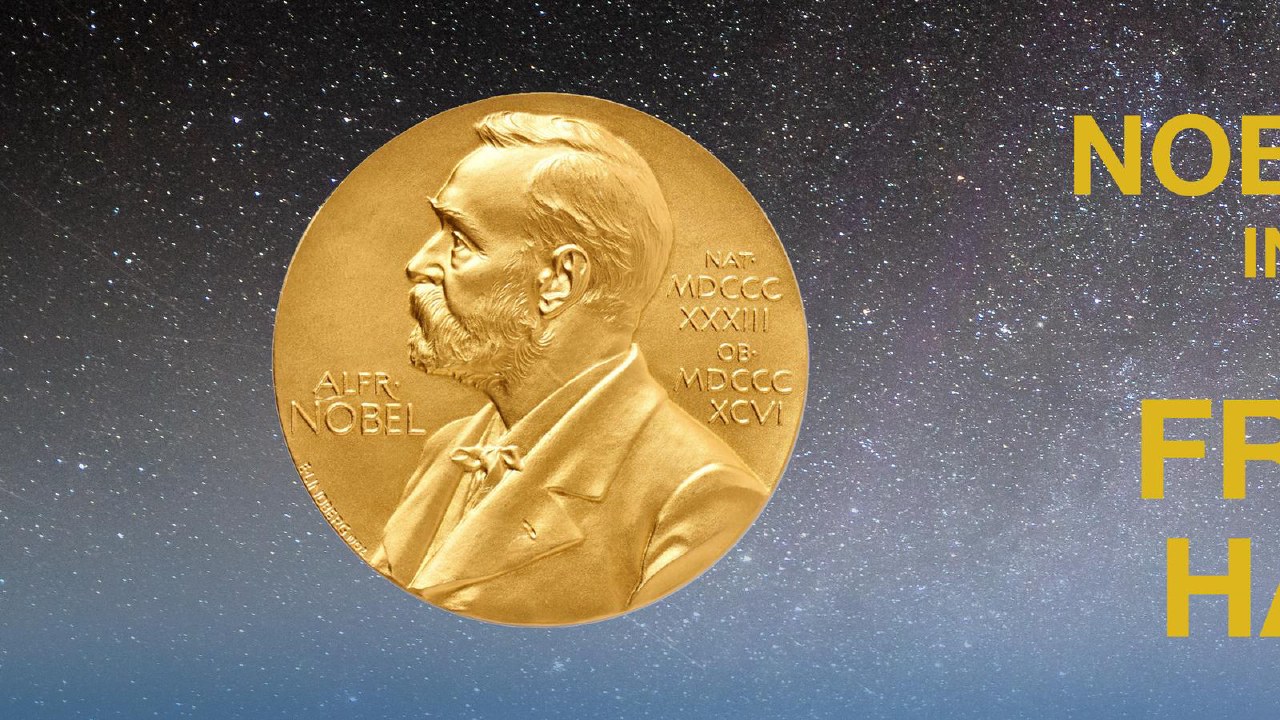
Physicist Francis Halzen has been awarded the 2026 Nobel Prize in Physics for his work on the IceCube Neutrino Observatory, which includes a prize of SEK 12 million.

The common notion that photons do not experience time is a misinterpretation of special relativity, as the theory does not allow for a reference frame moving at the speed of light.

Physicists propose that a record-breaking neutrino detected by the KM3NeT telescope originated from a primordial black hole explosion within a hidden fifth dimension.

Mathematical physicist Sir Roger Penrose discusses his foundational work on general relativity, black hole singularities, and his later research into quantum mechanics and consciousness.

Researchers at ETH Zurich have introduced Fourier pixels that act as both light sensors and emitters by manipulating amplitude, phase, and polarization.
French researchers have modeled how lunar and solar tidal forces can trigger slow earthquakes through a resonance effect on geological faults.

Physicists have identified YbSb2 as the first type-I superconductor to exhibit broken time-reversal symmetry, a phenomenon previously observed only in type-II materials.

Optical fiber transmission speeds are currently following a growth trajectory that triples performance every four years, governed by fundamental information theory constraints.

Harvard physicist Matthew D. Schwartz has launched BootLoops 1.0, an open-source toolkit that integrates large language models into scientific research workflows.