The integration of Claude Code and Gemini Notebook relies on a community-developed wrapper called notebooklm-py. This tool emulates user actions through browser automation via Playwright rather than using an official API. The setup process requires manual configuration, including Google account authentication and dependency management, which can take 10 to 15 minutes.
Technical testing on Windows 10 revealed that many scripts are optimized for Linux, leading to errors during deployment. While Claude Code can autonomously debug and fix some of these issues, the process remains complex. The reliance on an unofficial wrapper poses security risks, as it involves handling authorization tokens in local environments.
Manual use of the Gemini Notebook interface takes approximately 15 seconds. Automated pipelines are only efficient for specific tasks, such as batch processing hundreds of local files or maintaining strict design standards for presentations. For one-off research tasks, manual curation remains more reliable and secure than automated agent-based collection.
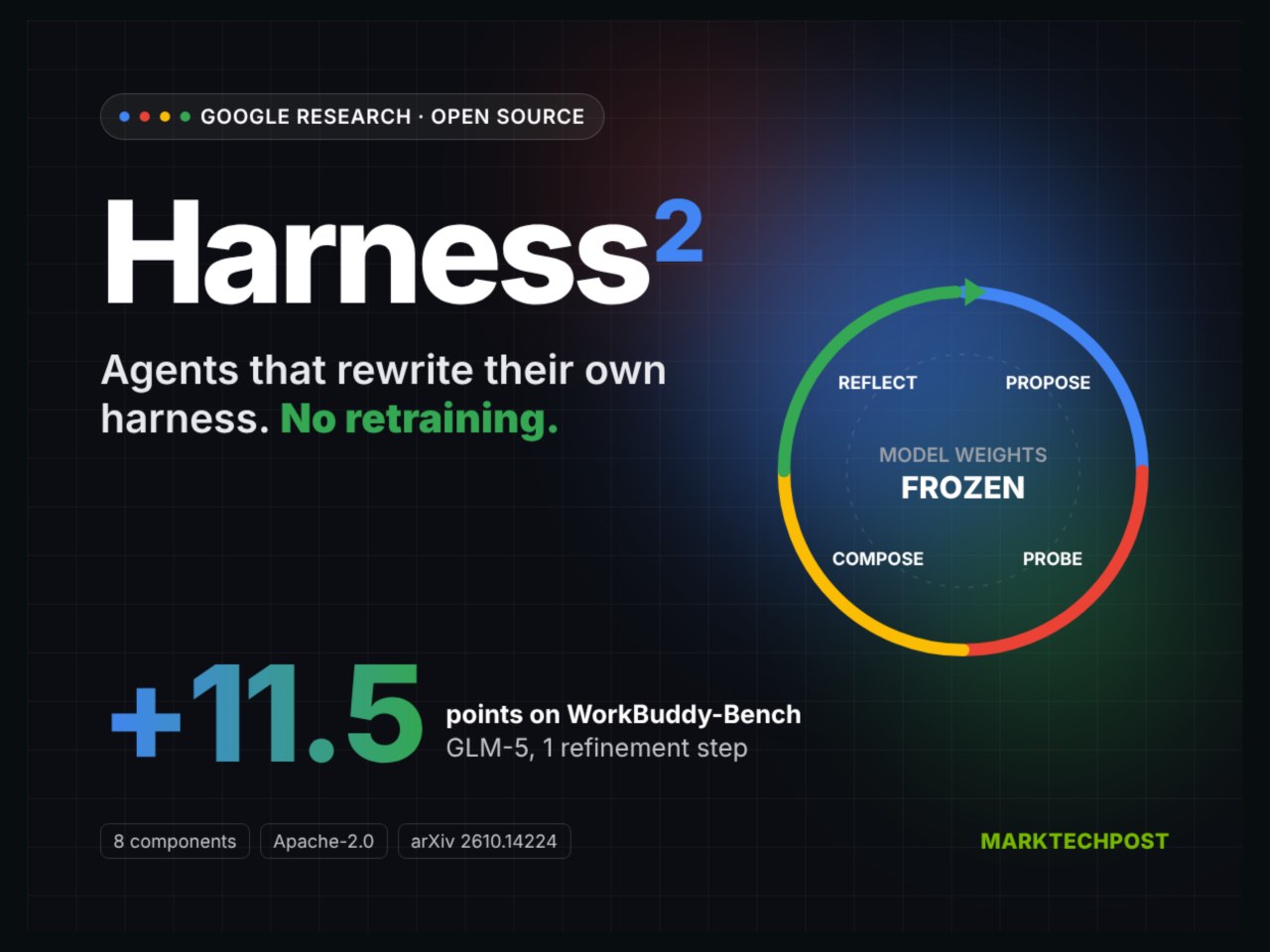
Recent updates in the AI sector include the release of GLM 5.3 Flash and DeepSeek V4.1 Flash, which are now available for integration. Users can utilize these models within an IDE via Meta Harness to manage projects, execute code, and switch between different agents like Claude Code or Codex.