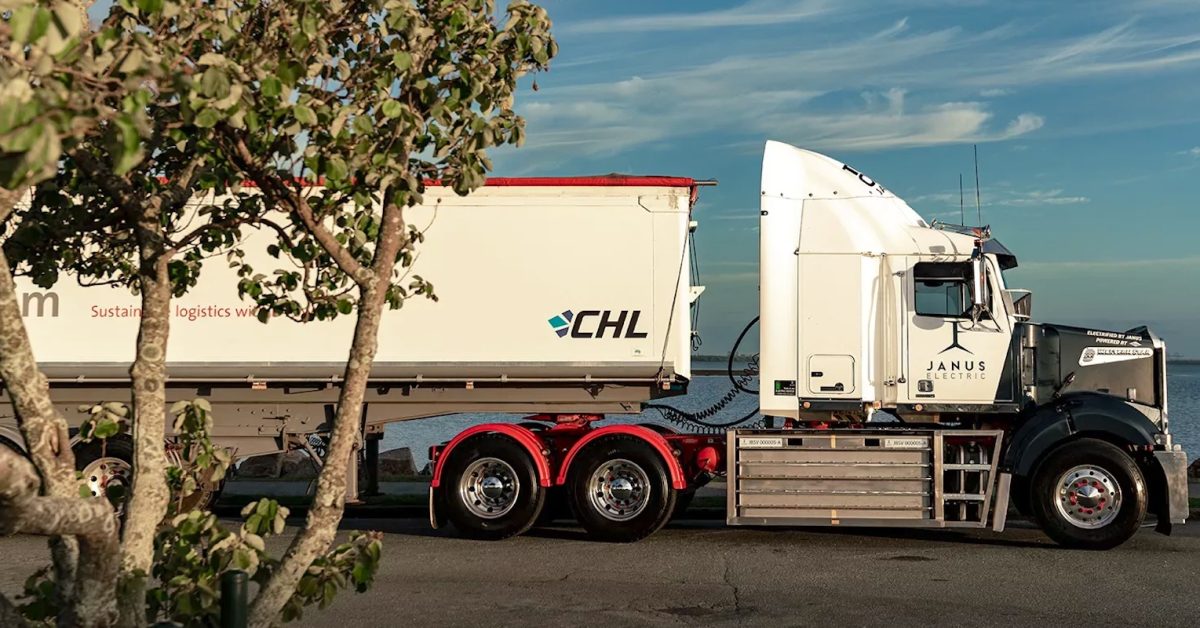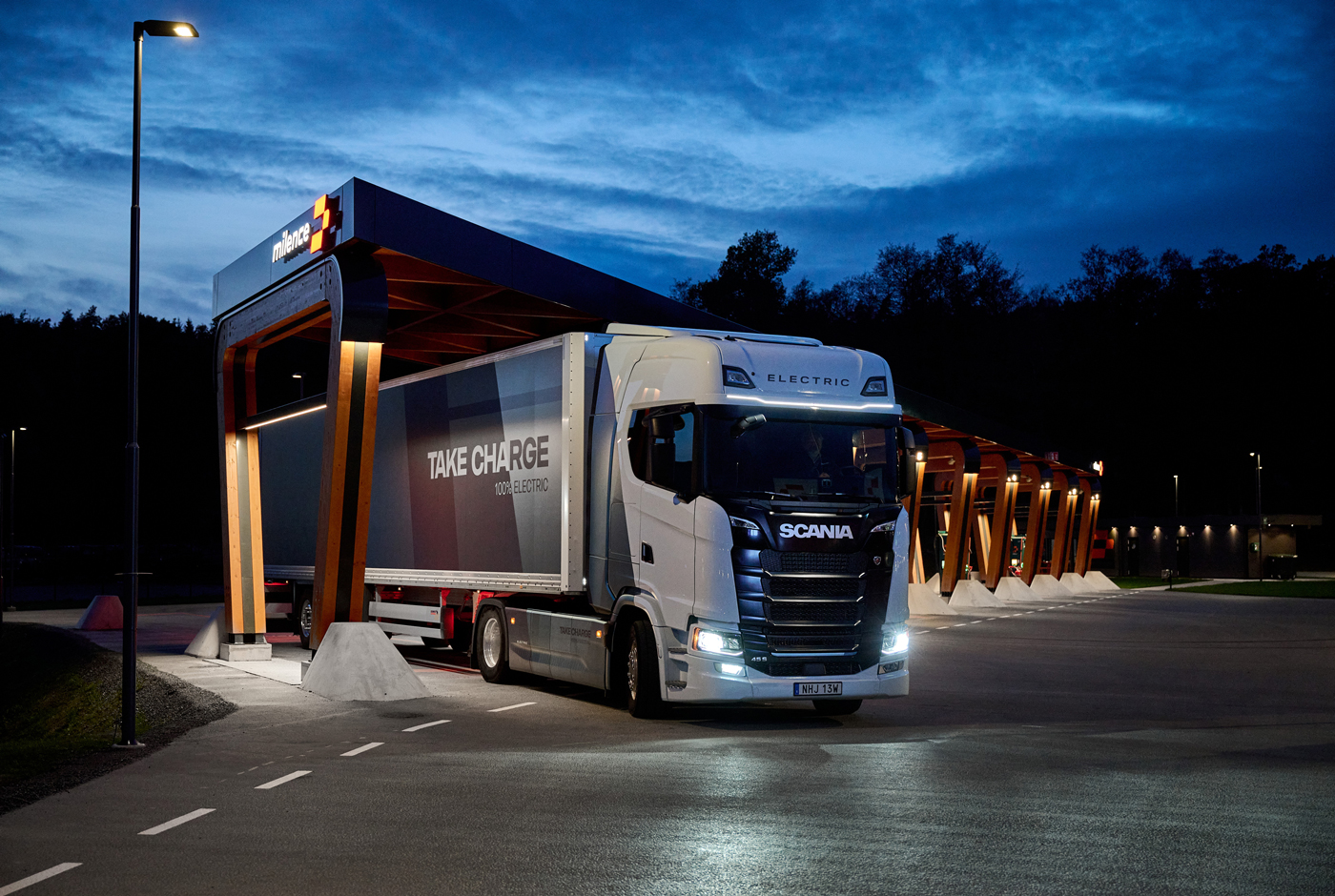
Europe faces challenges in transitioning to electric trucking due to high diesel costs and insufficient charging infrastructure. While manufacturers offer a variety of electric semi-trucks, the deployment remains slower than in China, where over 90% of the world’s electric trucks are currently located.
The EV100 coalition, representing various corporations, has urged the European Union to prioritize the expansion of charging networks for heavy-duty vehicles. Industry stakeholders cite an alarming delay in infrastructure development, which hinders market uptake despite the availability of vehicles.
Experts suggest that Europe should shift from focusing solely on sales targets to adopting a systemic approach that integrates vehicles with freight corridors, depots, and grid planning. Reducing peak power demand through scheduled route management and battery-swapping hubs is proposed as a method to lower infrastructure costs.
A new joint venture, Swaptopus, has been formed by Octopus Energy and CATL to develop automated battery-swapping hubs for heavy trucks across Europe. This initiative aims to provide a turn-key solution that reduces the immediate need for high-power megawatt charging equipment, which currently faces long connection delays.