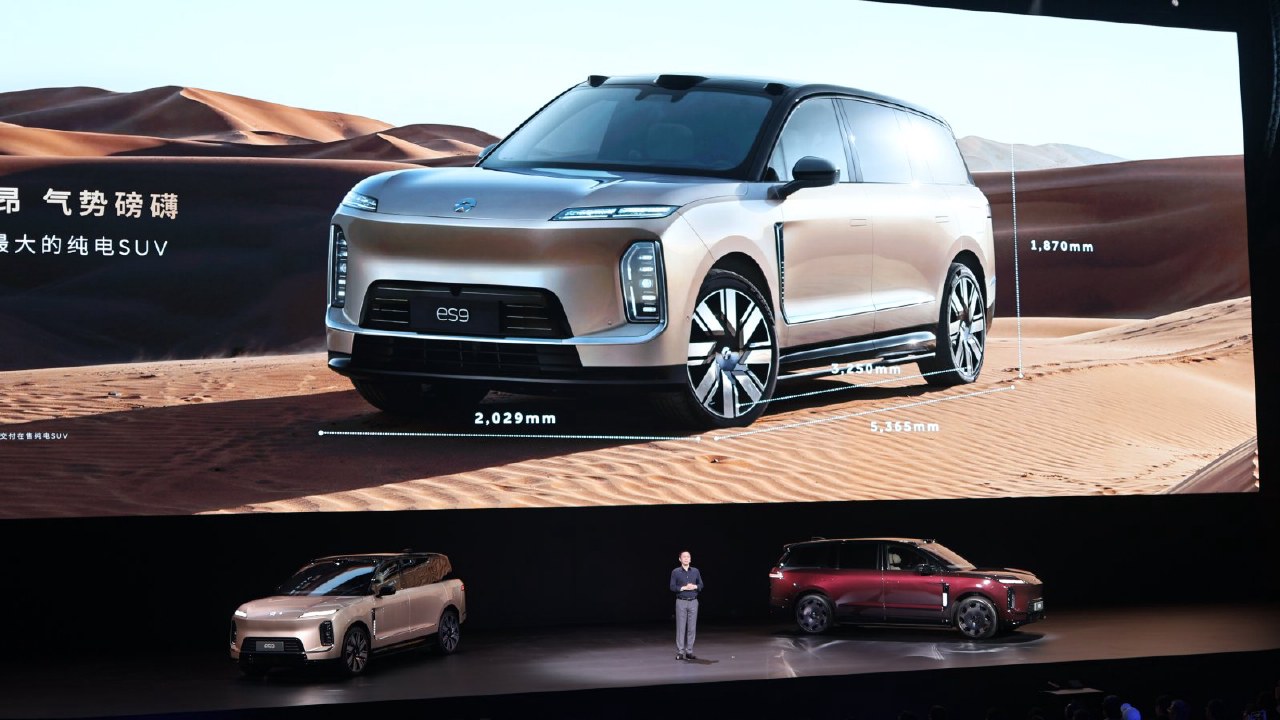
William Li, CEO of Nio, has reiterated concerns regarding the increasing weight of electric vehicles in China. He noted that some models now feature 120 kWh battery packs weighing between 700 and 800 kilograms. According to the fourth-power law in road engineering, a 1.2 times increase in vehicle weight results in 2.07 times more damage to road infrastructure.
Nio maintains a strategy of using lighter battery packs, typically weighing 400 to 500 kilograms. This approach requires the company to accept smaller battery capacities and shorter driving ranges. Li stated that Nio requires his personal approval for every additional kilogram added to a vehicle model's target weight during development.
Industry data indicates that the average curb weight of new passenger cars in China rose from 1,312 kilograms in 2012 to 1,704 kilograms in 2024. For the first four months of 2026, the average weight of new energy vehicles reached 1,939.3 kilograms. Regulators have introduced a mandatory energy consumption standard that links limits to vehicle curb weight.
The new standard, effective January 1, 2026, is approximately 11 percent stricter than previous recommendations. For a 2-ton vehicle, electricity consumption is capped at 15.1 kWh per 100 kilometers. Authorities are currently exploring potential tax reforms based on vehicle weight to address the impact of heavier cars on public infrastructure.