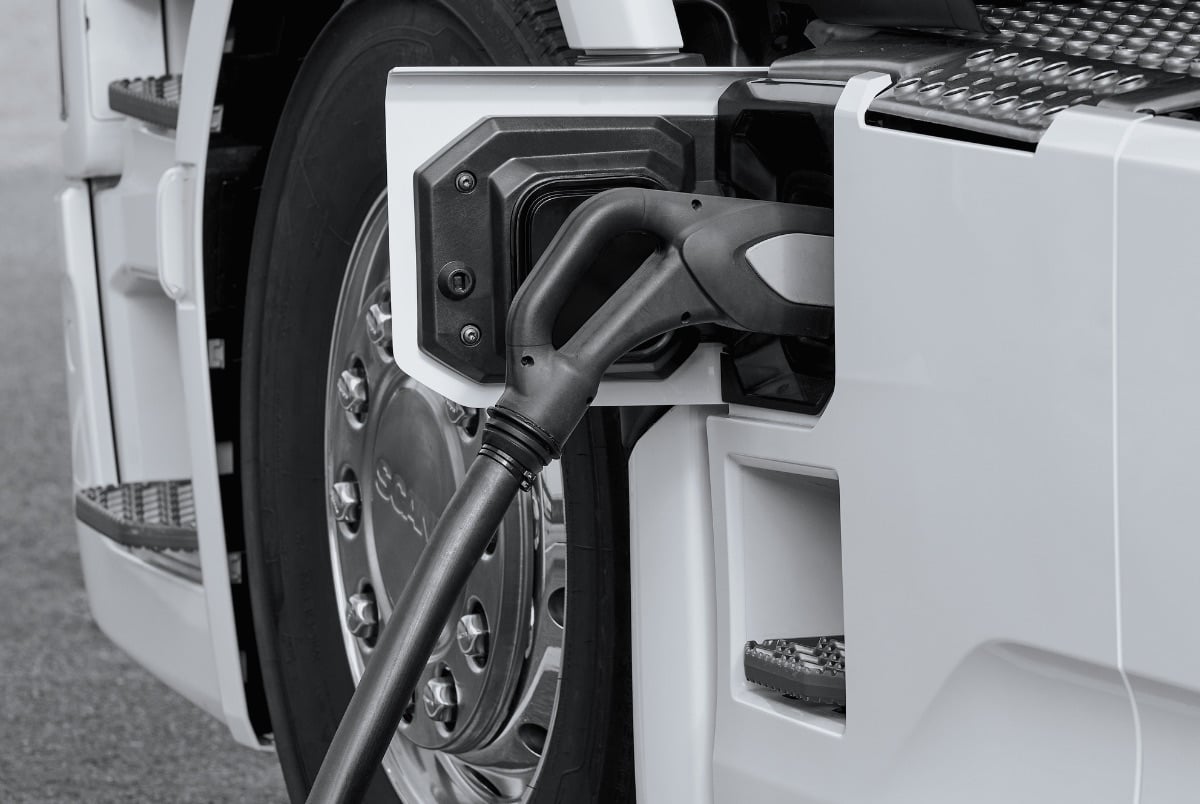
The European Commission plans to prioritize funding from the Connecting Europe Facility and the Alternative Fuels Infrastructure Facility for electric truck and bus charging networks. This shift aims to address high investment risks and cautious bank lending, as the Commission seeks to collaborate with industry partners to mitigate financial barriers for infrastructure developers.
EU Transport Commissioner Apostolos Tzitzikostas reported that nearly 40 000 battery-electric trucks are currently registered in the EU, with projections reaching 45 000 to 50 000 by the end of the year. The number of public charging points for these vehicles stands at approximately 3 000, marking a 60 percent increase over the past year. By 2030, the Commission anticipates nearly 400 000 zero-emission heavy-duty vehicles on European roads.
Research from Fraunhofer ISI and ICCT projects that annual electricity demand for electric trucks will reach 100 TWh by 2035 and 200 TWh by 2045. While 70 to 80 percent of charging is expected to occur at depots, public infrastructure remains vital for long-haul routes. High-demand sites, often located at logistics hubs and motorway intersections, may require peak grid capacities of 20 to 50 MW.
Since 2024, the EU has allocated €1 billion for transport decarbonization, with half directed toward heavy-duty vehicle electrification. To further support development, the Commission introduced the Network Package and Electrification Plan. Additionally, industry representatives have proposed alternative models, such as subsidizing charging fees for transport firms that secure long-term agreements with operators.