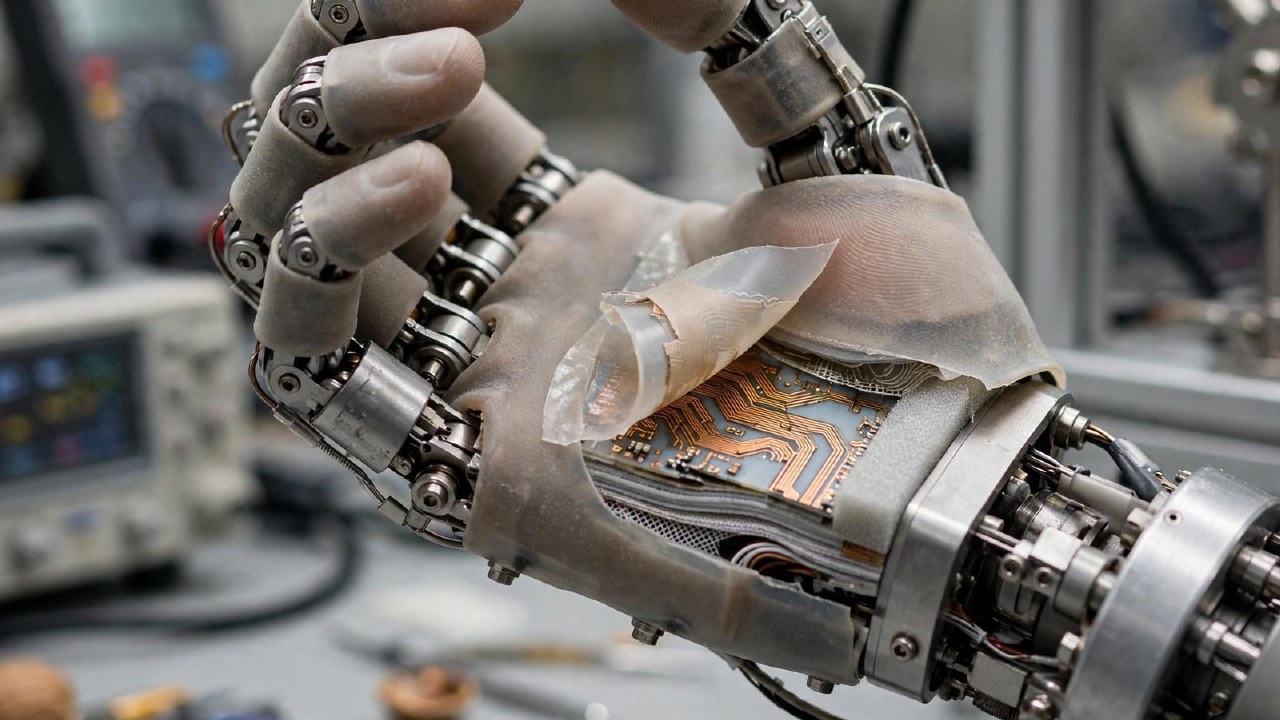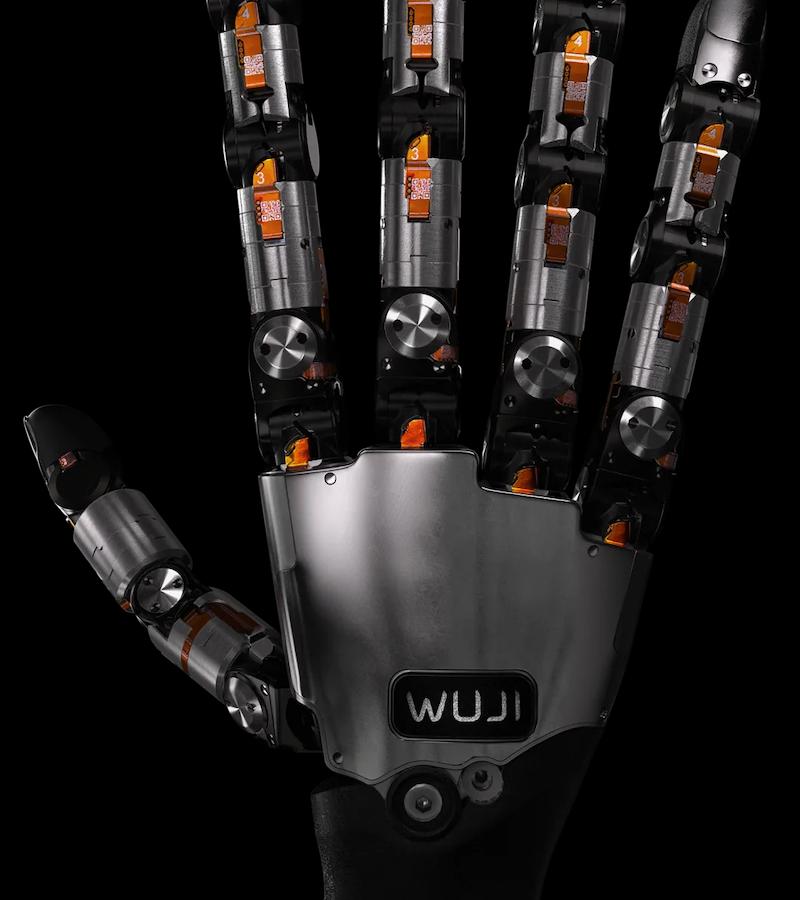
Researchers at ETH Zurich have transformed the Wuji robotic hand into a mobile unit capable of crawling, changing direction, and recovering from falls. The system utilizes its own fingers for locomotion and balance, eliminating the need for a separate robotic base or arm.
The team employed reinforcement learning to train the robot. The training process occurred in a computer simulation calibrated to the physical device's specifications, including individual finger length and characteristics. This approach reportedly achieved higher movement speeds than configurations designed for quadrupedal robots.
During physical tests, the robot operated autonomously with onboard power and computing resources. It demonstrated precise manipulation skills, such as typing on a keyboard without visual input and pushing objects to specific coordinates using overhead camera guidance.