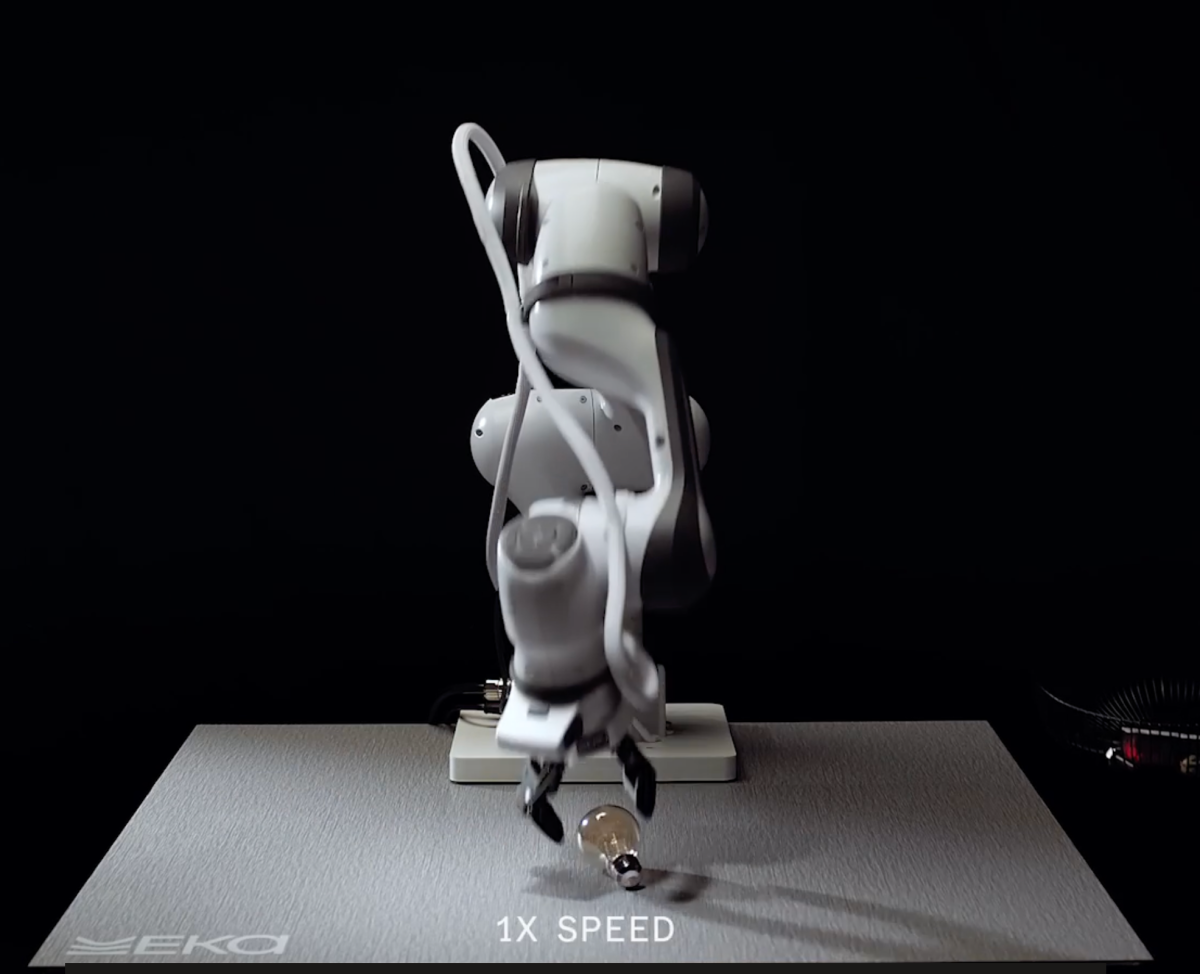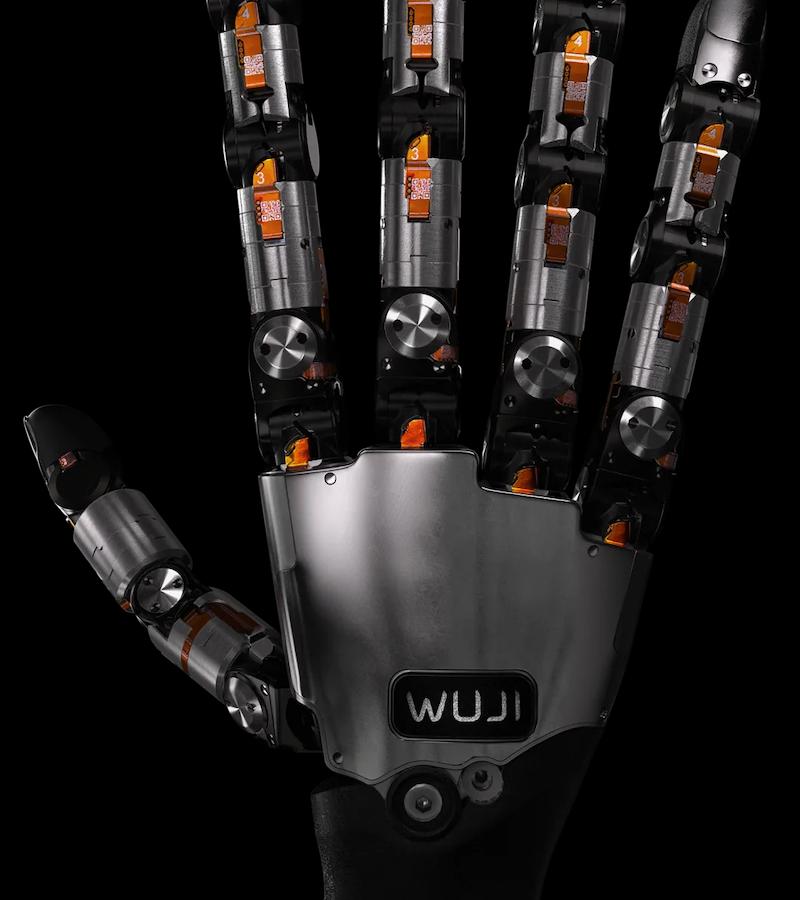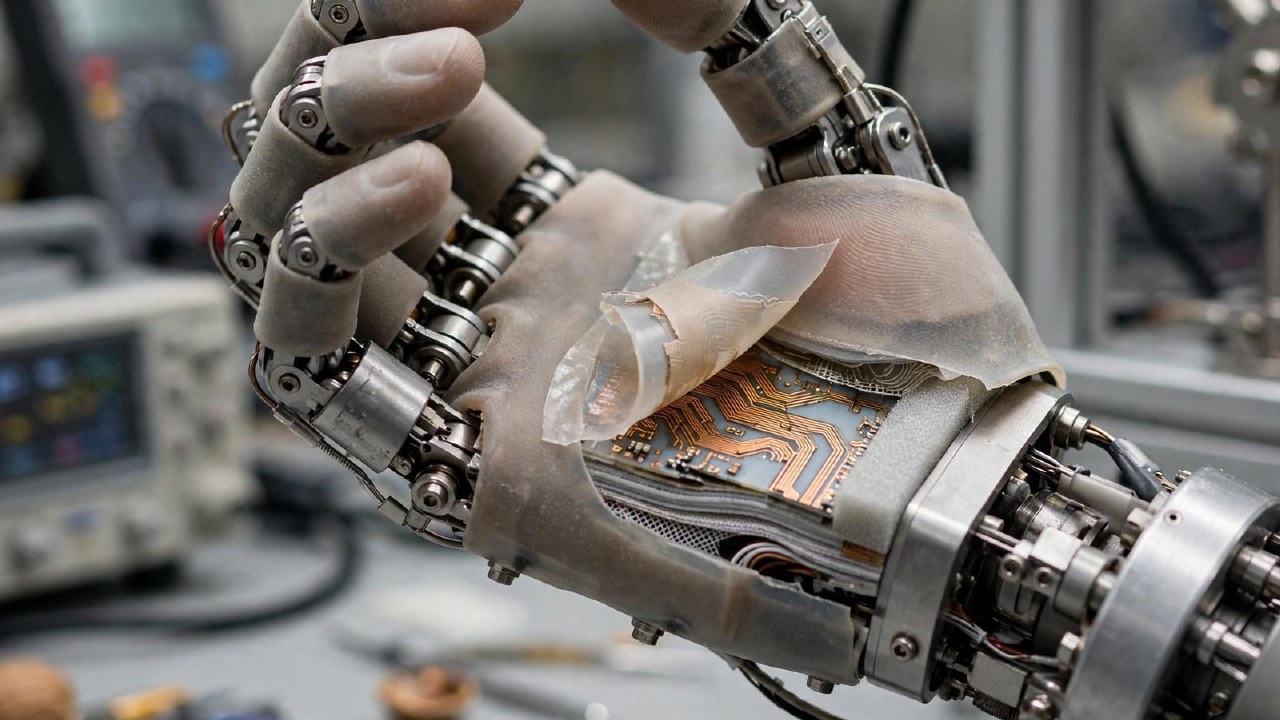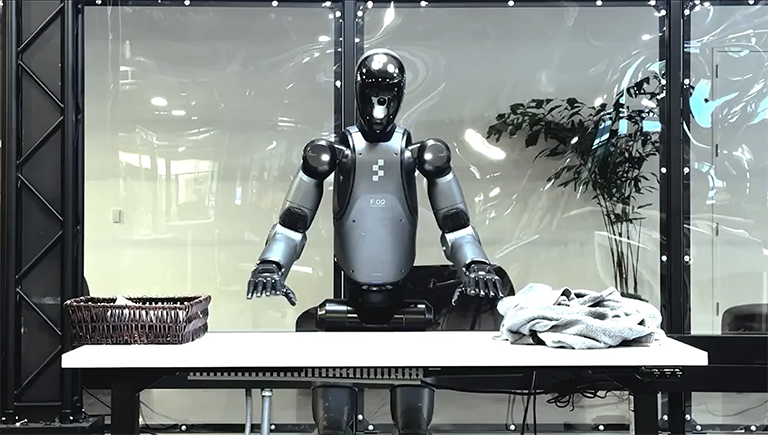
Modern robotics showcases impressive feats, such as Tesla humanoids serving drinks, Figure units working at BMW facilities, and various robots performing complex physical tasks like backflips. However, the operational reality of industrial automation often differs significantly from these public demonstrations.
At the BMW plant in Spartanburg, which hosted Figure robot trials, the facility employs over 2,000 industrial robots in its body shop alone. Despite the advanced capabilities seen in media, many of these machines still rely on traditional programming methods that have remained largely unchanged since 1985.
Operators frequently use manual teach pendants to guide robot arms to specific coordinates, recording each point sequentially to define a path. While offline programming is utilized in large-scale automotive manufacturing, the core principle of executing pre-programmed trajectories remains the standard for a vast number of industrial operations.