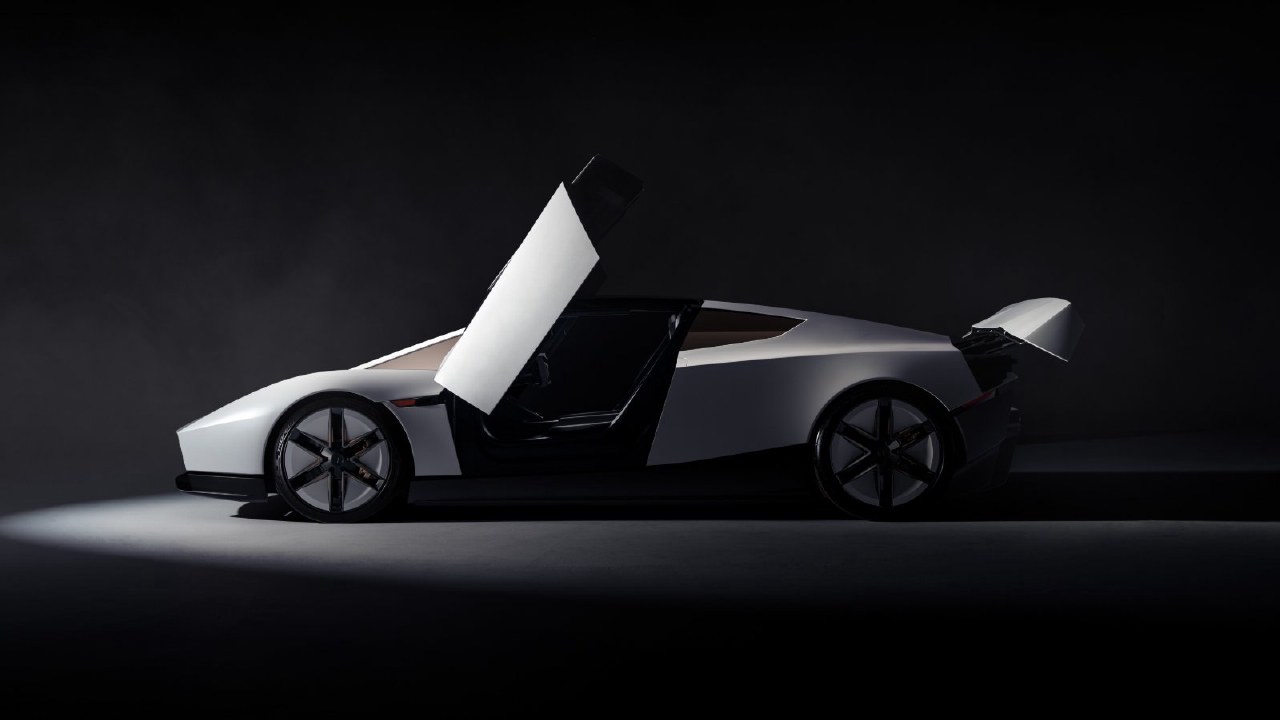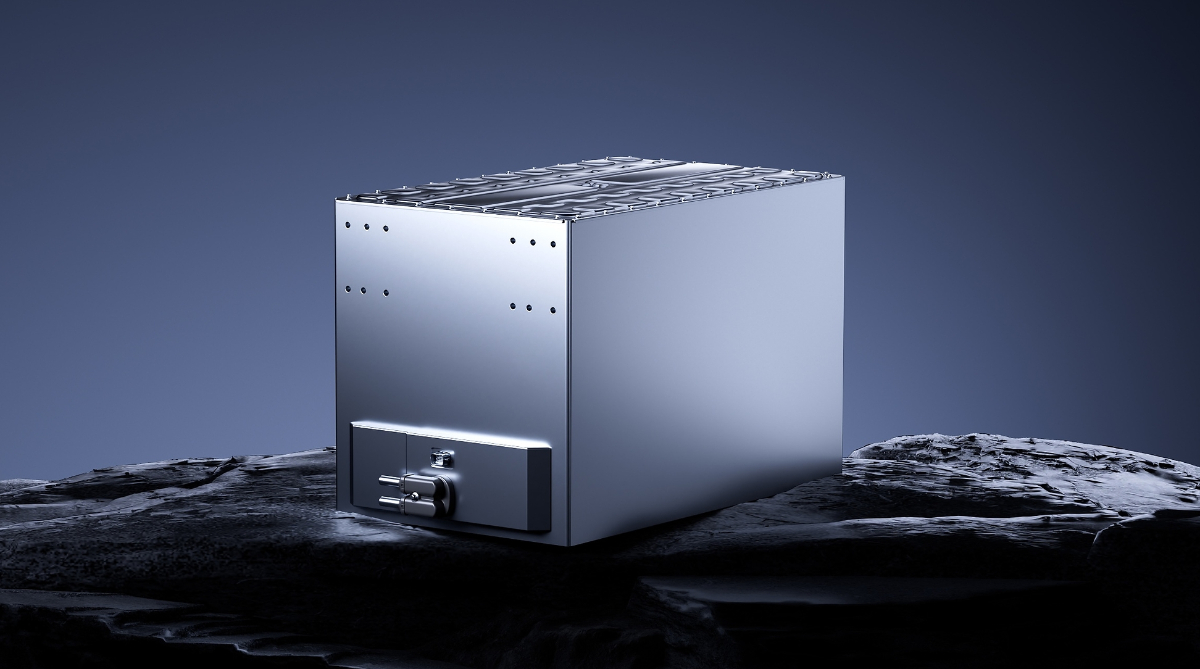
The IAA Transportation show in Hannover featured new electric commercial vehicle technology. Tesla presented a European version of its Semi with a 550 km range and 800 kW charging capacity. Meanwhile, CATL introduced the Tectrans II battery, offering a 1,000 km range and 12-year service life, alongside a partnership with DHL Group to develop green freight corridors.
Charging infrastructure advancements were also highlighted. Zerova unveiled an MCS dispenser for commercial vehicles capable of delivering 1,440 kW, significantly exceeding current standards. These technologies aim to support the transition to zero-emission logistics, though manufacturers are currently lobbying to delay EU exhaust emission standards by three years due to infrastructure and cost concerns.
European truck makers argue that current targets, requiring a 43 percent CO2 reduction by 2030, are difficult to meet as only 2.4 percent of new heavy-duty vehicles are currently zero-emission. They cite grid connection delays and high electricity costs as primary obstacles. Critics, however, warn that weakening these standards could reduce European competitiveness against US and Chinese manufacturers.
Proponents of the current standards note that electric truck registrations grew by over 50 percent following initial regulations. They estimate that maintaining 2030 targets could prevent the sale of 60,000 diesel trucks and save the EU €28 billion. Advocates emphasize that the necessary battery and charging technologies are already available for immediate deployment.