

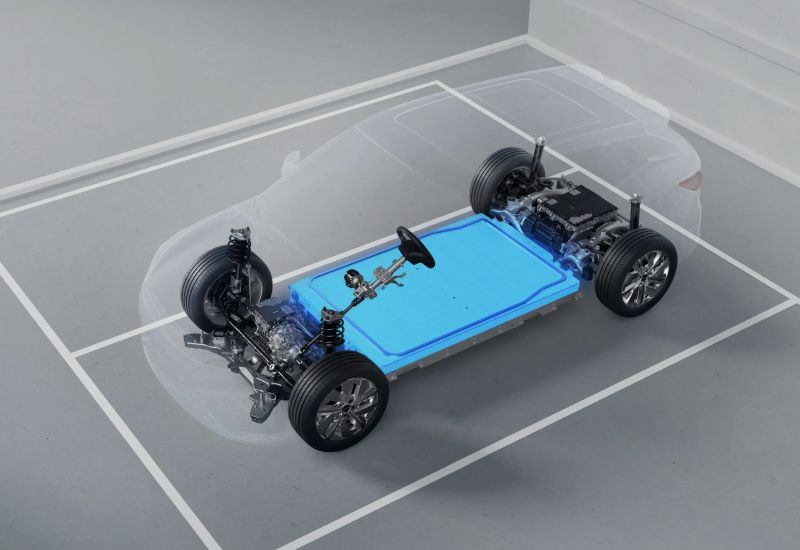
China has unveiled a new industrial development plan for 2026–2030, which aims to initiate the mass adoption of solid-state traction batteries in the transport sector by the end of the decade. The program, approved by seven government agencies on September 14, 2026, focuses on scaling production and improving battery stability.
Technical goals for lithium batteries include achieving a lifespan of 15,000 charge-discharge cycles. Production quality standards are set to ensure a defect rate of no more than a few units per billion. Developers are tasked with optimizing ion conductivity, reducing manufacturing costs, and scaling the production of solid-state electrolytes.
The strategy emphasizes the development of both lithium and sodium-ion batteries. Sodium-ion technology is prioritized for cold-climate regions due to its temperature resistance and lower production costs. These batteries are also intended for stationary energy storage systems.
The government plans to support the consolidation of industry players to accelerate the development of mineral deposits. Additionally, the program mandates the creation of a tracking system for battery lifecycles and carbon emissions, alongside the establishment of recycling facilities in key export markets.
By 2030, China aims for electric vehicles and hybrids to account for 70 percent of the domestic passenger car market. The state will also focus on new manufacturing equipment, including isostatic presses, and the transition to anode-free battery designs.



