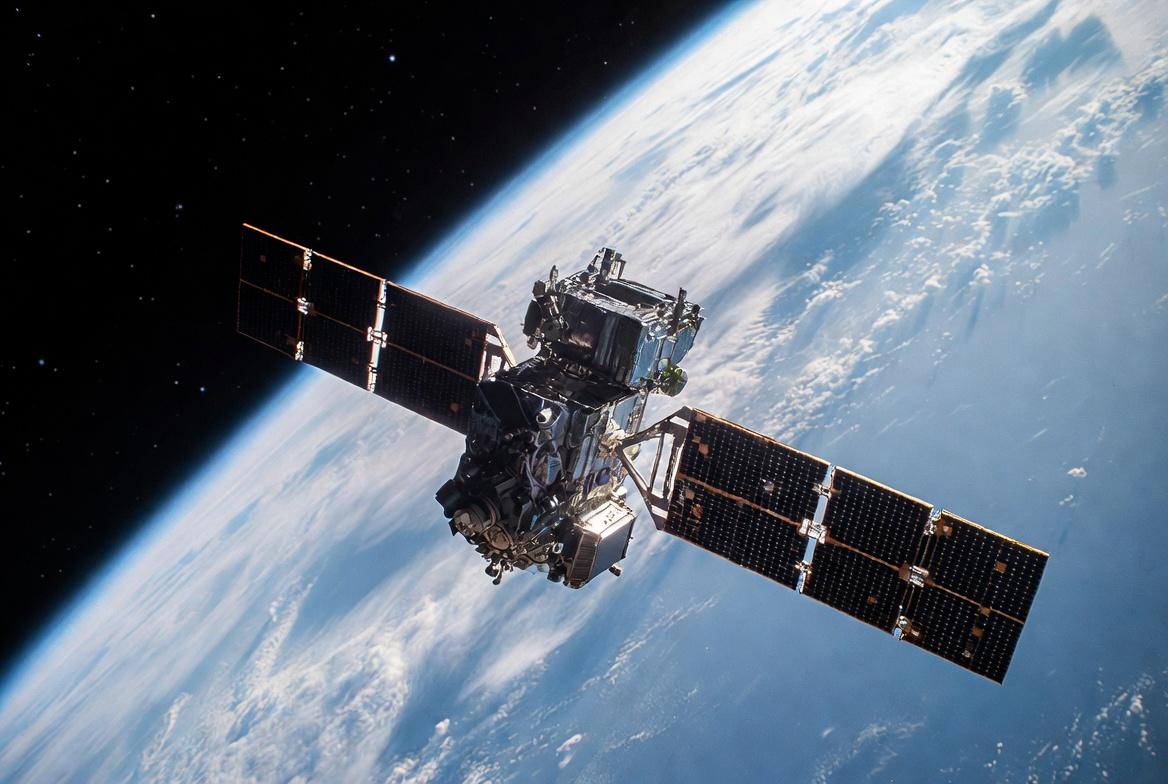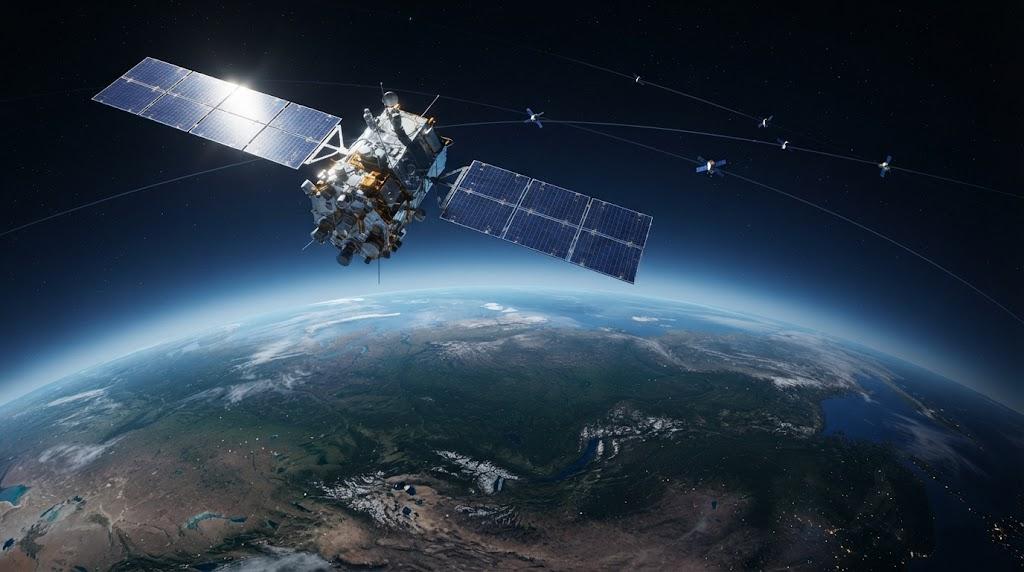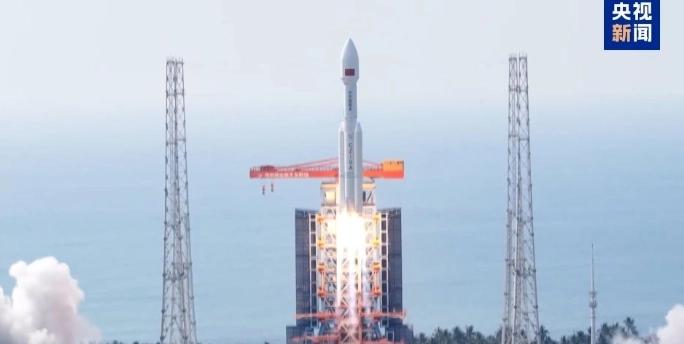
On October 25, 2026, China launched 28 satellites for its national internet constellation using the Long March 8A rocket. The launch took place at 05:03 Moscow time from the Hainan commercial spaceport. The Long March 8A, developed by the China Academy of Launch Vehicle Technology, features a height of 50.5 meters and a launch mass of approximately 371 tons. Its payload capacity to a 700 km sun-synchronous orbit is 7 tons.
The satellites are part of the GW constellation, which aims to integrate space and ground-based 6G networks. The project plans to deploy 12,992 satellites in total, split between two subsystems: 6,080 units below 500 km and 6,912 units at an altitude of approximately 1,145 km. The deployment phase began in December 2024 with the launch of the first ten satellites.
The program targets having around 1,300 satellites in orbit by the end of 2029, with full system completion expected by 2035. In October 2026, the network successfully demonstrated real-time video communication between the North and South Poles. Tests showed a latency of less than one second and peak transmission speeds of approximately 30 Mbit/s for both uplink and downlink channels.