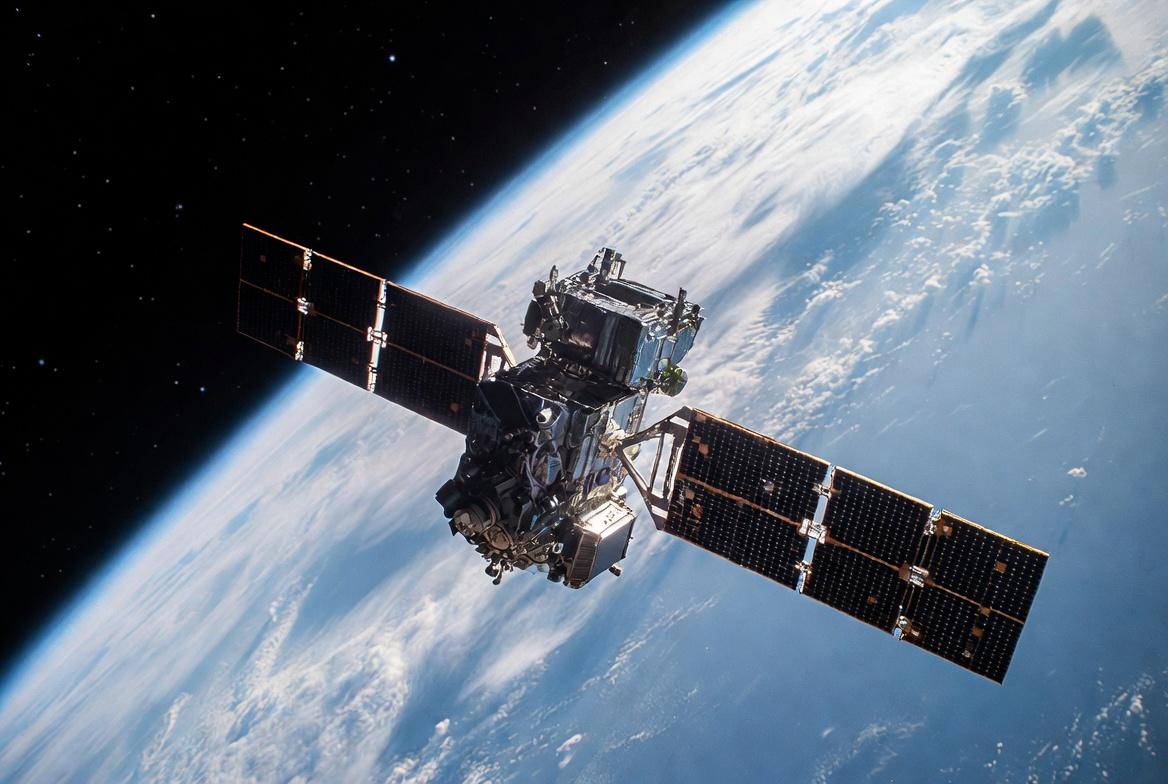
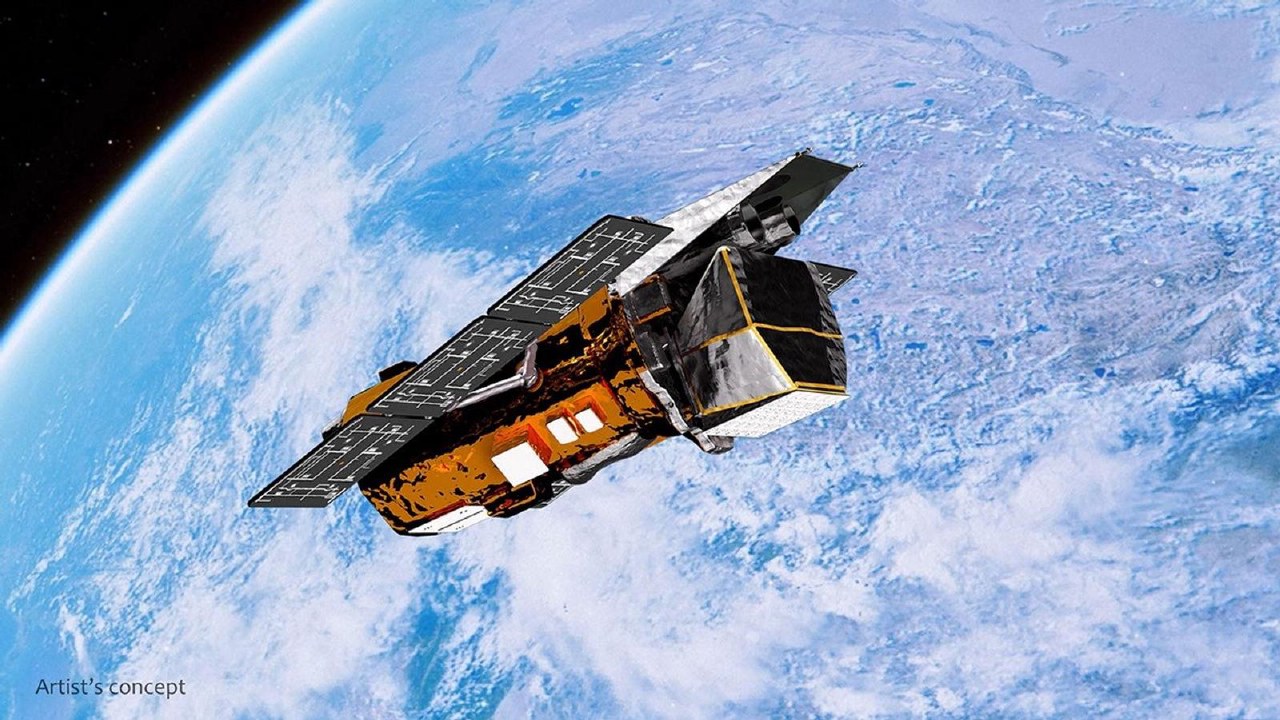
On October 25, 2026, China successfully launched 28 low-orbit satellites for its internet constellation from the Hainan Commercial Spacecraft Launch Site. The mission utilized the Long March 8A carrier rocket, which placed the satellites into their designated orbits.
The Long March 8A is a two-and-a-half-stage liquid-propellant rocket developed by the China Academy of Launch Vehicle Technology. It features a liftoff weight of approximately 371 tons and a height of 50.5 meters. The rocket is capable of carrying 7 tons into a 700-kilometer sun-synchronous orbit and supports multiple engine restarts for batch satellite deployment.
The satellites are part of the GW constellation, China's first integrated 6G satellite internet project. The full plan includes 12,992 satellites divided into two sub-constellations: 6,080 units in orbits below 500 kilometers and 6,912 units at an altitude of 1,145 kilometers. Deployment targets include 1,300 satellites by the end of 2029, with full completion by 2035.
Construction of the GW constellation began in December 2024. Recent activity includes the launch of the 26th group on September 23, 2026, and the 27th group on October 10, 2026. In October 2026, the system successfully demonstrated real-time video calls across the North and South Poles, achieving latency under 1 second and peak data rates of 30 Mbps.