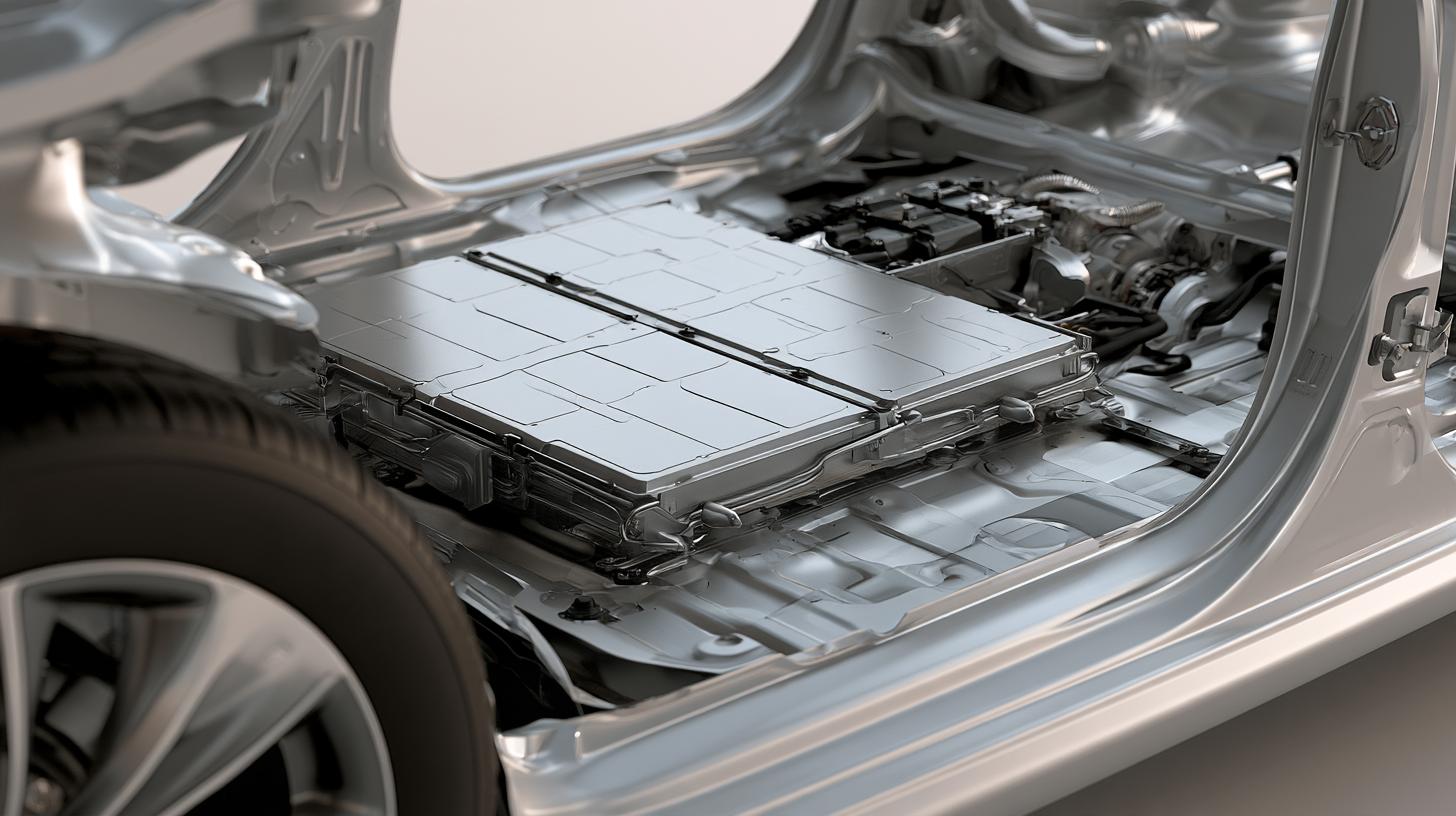
CATL is advancing the development of solid-state batteries, targeting small-scale production by 2027. These cells utilize a solid electrolyte instead of the liquid components found in traditional lithium-ion batteries. The design aims to achieve an energy density exceeding 400 Wh/kg, which could enhance electric vehicle range and improve safety by reducing fire risks.
Technical challenges persist, particularly regarding the stability of the interface between the solid electrolyte and electrodes. Repeated expansion and contraction during charging cycles can lead to delamination and reduced battery lifespan. Furthermore, the company must develop entirely new manufacturing processes, specialized equipment, and material compositions to support large-scale production.
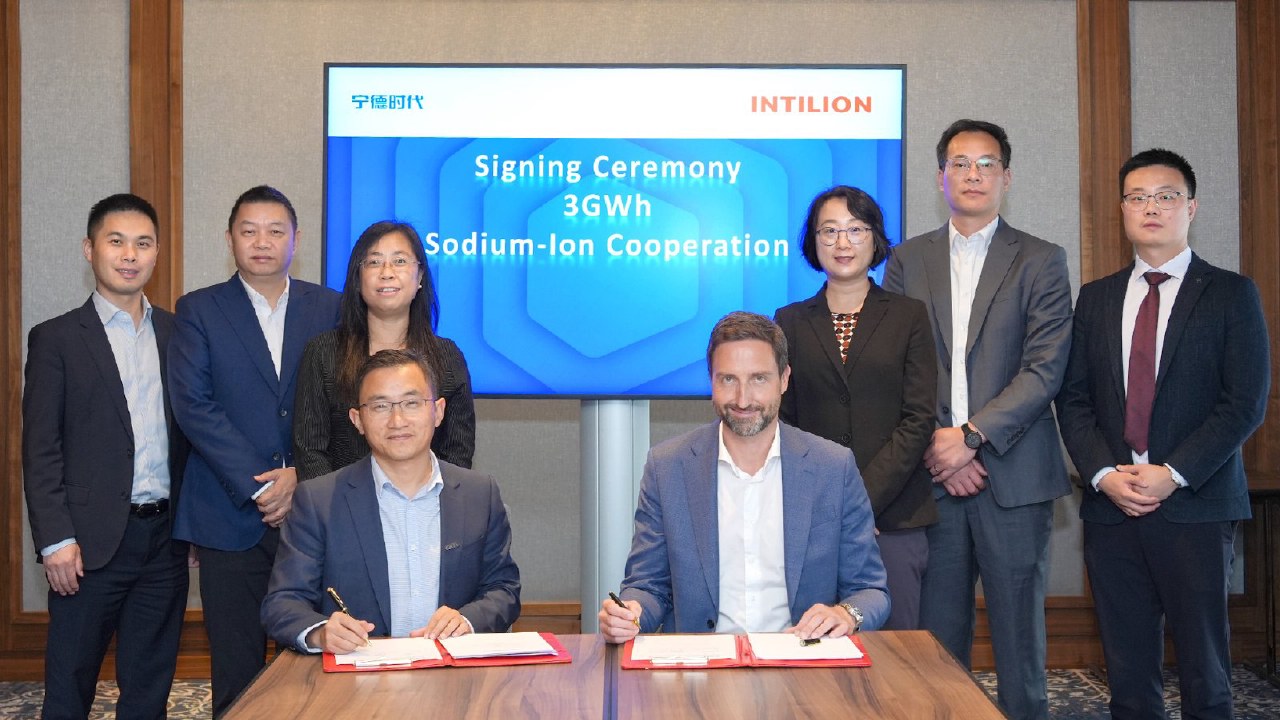
Initial 2027 batches are reserved for premium vehicles and specialized testing equipment. High costs and limited production capacity currently prevent these batteries from reaching the mass-market family vehicle segment. CATL continues to work on alternative technologies, including condensed matter batteries, sodium-ion solutions, and the fast-charging Shenxing series.
Company leadership, including Chairman Zeng Yuqun and CTO Ni Jun, has emphasized that widespread adoption of solid-state technology remains a long-term goal. They have cautioned that achieving full-scale commercialization will require several more years of research and development to overcome existing technical and production hurdles.