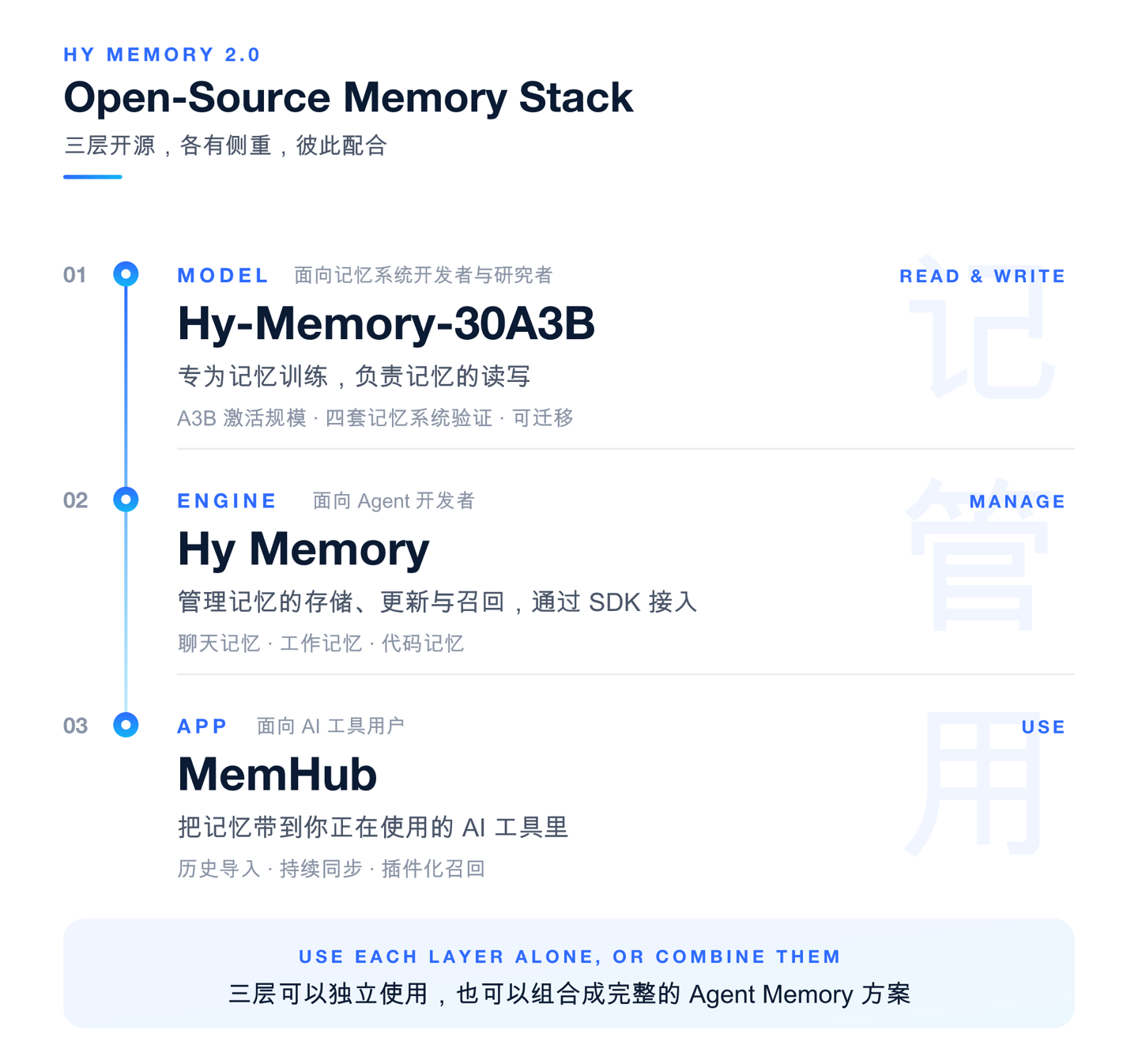
The author has developed a modular AI agent system using open-source components, designed to operate independently of large corporate frameworks. The architecture relies on the OpenAI API as a standard interface for communication between components, allowing for flexible configuration and the replacement of individual parts.
The system runs on a home server equipped with an AMD EPYC 7601 processor. It utilizes Llama.cpp for local execution of large language models (LLMs) in GGUF format. The setup leverages Docker for containerization, enabling deployment as standalone processes or within Kubernetes environments.
Key components include MCP (Model Context Protocol) servers for file management, sequential thinking, and web searching via SearXNG. The system incorporates specialized agents for programming and routine office tasks, which can be delegated to specific models. Communication is handled via email protocols to ensure reliability and avoid service blocks.
The architecture allows for the chaining of augmentors and tools, where one model can invoke another specialized model through an adapter. This modular approach enables the system to perform web searches, read web pages, manage files in an isolated workspace, and coordinate complex tasks through shared history.