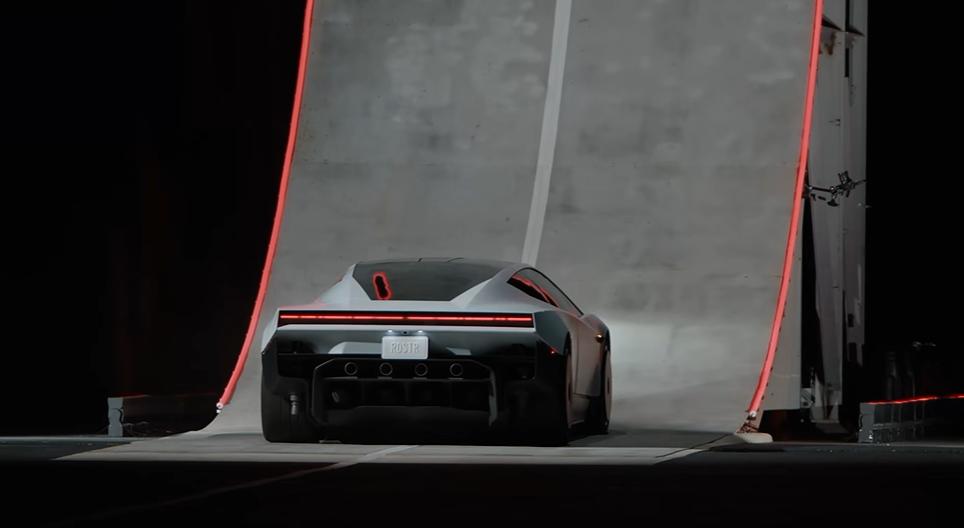
The emergence of autonomous vehicles like the Tesla Cybercab and Zoox shuttles has prompted regulators to revise crash test standards. Current safety systems, including seatbelts and airbags, are designed for passengers sitting upright. Tesla mandates that Cybercab passengers keep their seatbacks at an angle of no more than 35 degrees from vertical to ensure safety.
Data from the US indicates that 42 people died in accidents over the last decade while sitting in non-vertical positions. Experts note that reclining seats cause seatbelts to shift from the pelvic bones to the abdomen, increasing the risk of internal organ and spinal injuries. NHTSA is now studying passenger safety in reclined positions to develop new regulations for autonomous transport.
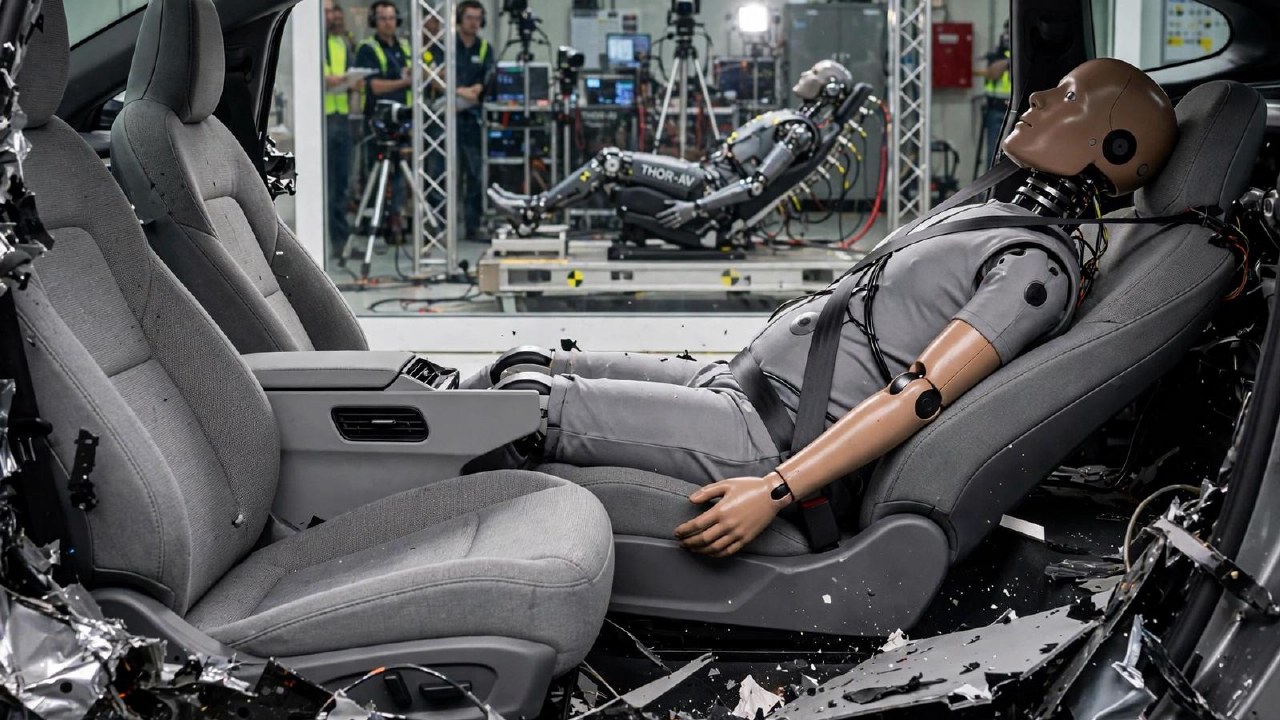
Companies are currently navigating complex certification processes. Zoox received special permission to operate 5 000 vehicles this summer, while Tesla is working to certify its Cybercab under existing rules, which has triggered an NHTSA investigation. Regulators are evaluating the use of THOR-AV crash test dummies, which feature flexible designs capable of testing at 25, 45, and 65-degree angles.
China may become the first country to mandate crash tests using reclined dummies. The CCARI certification body has already conducted hundreds of such trials, with new standards expected within 2–3 years. Additionally, Chinese regulators have proposed limiting seatback tilt to 35 degrees and requiring warning systems for passengers reclining at high speeds.