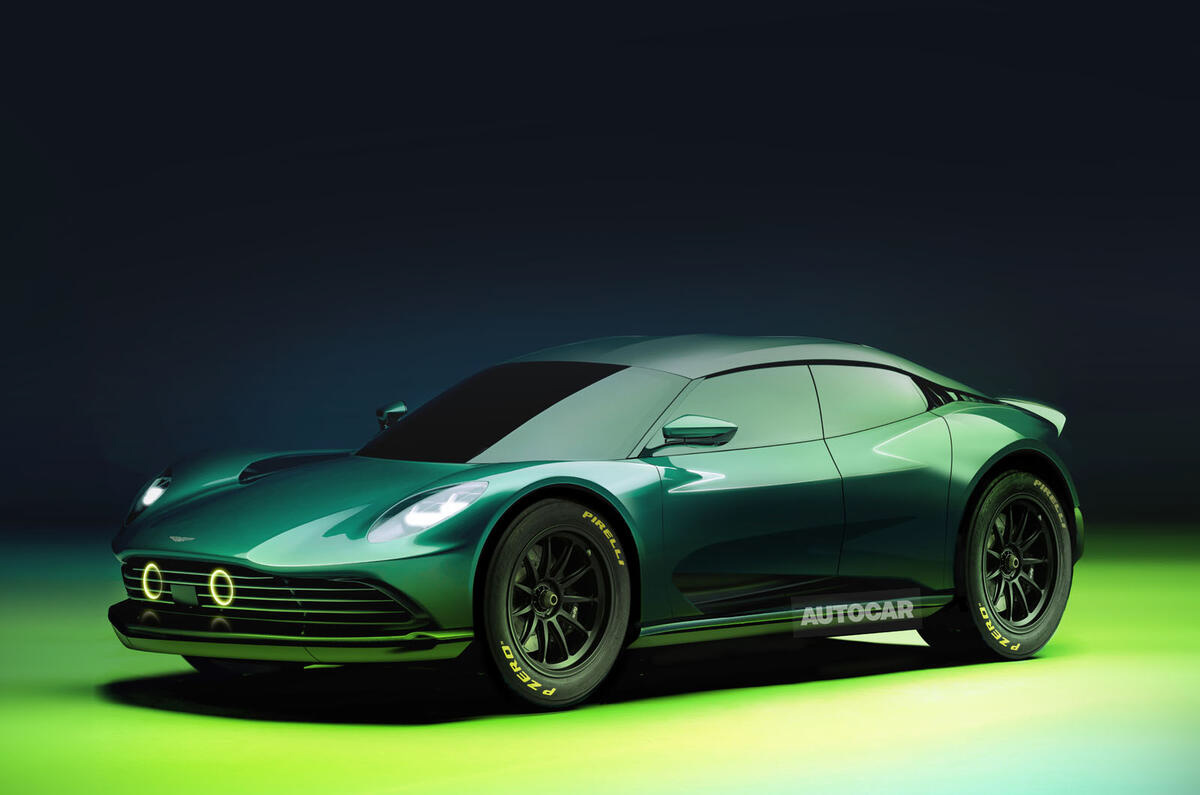
Aston Martin executives, including Greater China and Asia Pacific President Carl Bayliss and Global Product Management Head Neil Hughes, recently addressed the company's electrification strategy. They noted that pure electric vehicles are not currently the primary focus for their customer base, who continue to prefer internal combustion engines and plug-in hybrid systems like those found in the Valhalla model.
The company anticipates that traditional powertrains will remain the preferred choice for buyers until at least 2030. While acknowledging the broader market shift toward electrification, management emphasized that they intend to offer a variety of powertrain solutions to meet specific client expectations rather than relying on a single technology.
Strategic plans for the brand's first fully electric vehicle have been adjusted multiple times. Initially slated for a 2027 release, the launch was pushed to 2030 and is now expected between 2033 and 2035. CEO Adrian Hallmark clarified that this delay is a tactical decision to align with regulatory requirements rather than a rejection of electric technology.
To ensure compliance with UK and EU regulations mandating zero-emission vehicles by 2035, Aston Martin has committed to maintaining its V8 and V12 engine lineup until that deadline. The company's current roadmap focuses on sustaining these high-performance engines while gradually transitioning its product portfolio to meet future environmental standards.