Global Leaders Analyze AI Impact at Bloomberg Forum
Former UK Prime Minister Rishi Sunak, Blackstone CEO Jonathan Gray, and Tata Sons Chairman Natarajan Chandrasekaran discussed the impact of AI on global capital and geopolitics in New Delhi.

Former UK Prime Minister Rishi Sunak, Blackstone CEO Jonathan Gray, and Tata Sons Chairman Natarajan Chandrasekaran discussed the impact of AI on global capital and geopolitics in New Delhi.

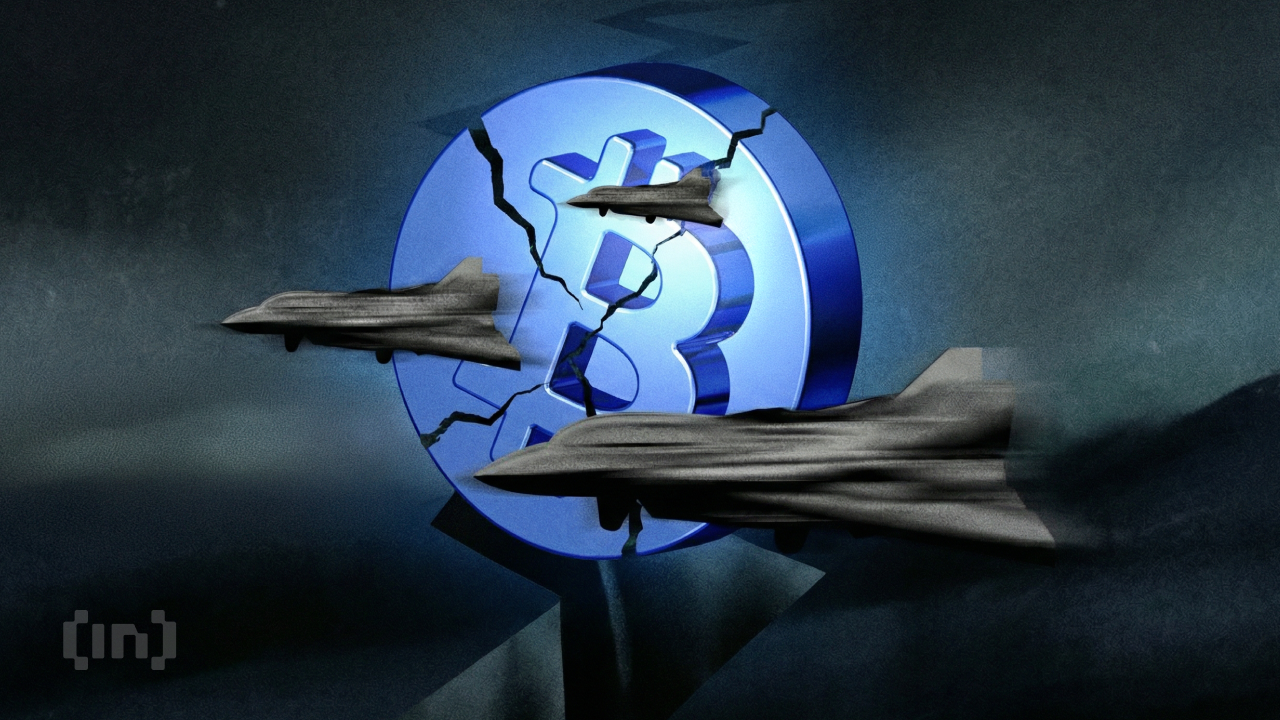
Bitcoin prices climbed to $83 864 following Donald Trump's unconfirmed claim of an energy ceasefire between Russia and Ukraine, triggering $70 million in short liquidations.

In the mid-1960s, the battle for a European color television standard was driven by geopolitical interests, leading the USSR to adopt the French SECAM system over NTSC and PAL.

Former CIA director David Petraeus predicts that AI could command battlefield weapon networks by 2030, shifting from data analysis to autonomous military decision-making.

The U.S. government plans to seize $1 billion in cryptocurrency assets as part of Operation Economic Fury to increase financial pressure on Iran.

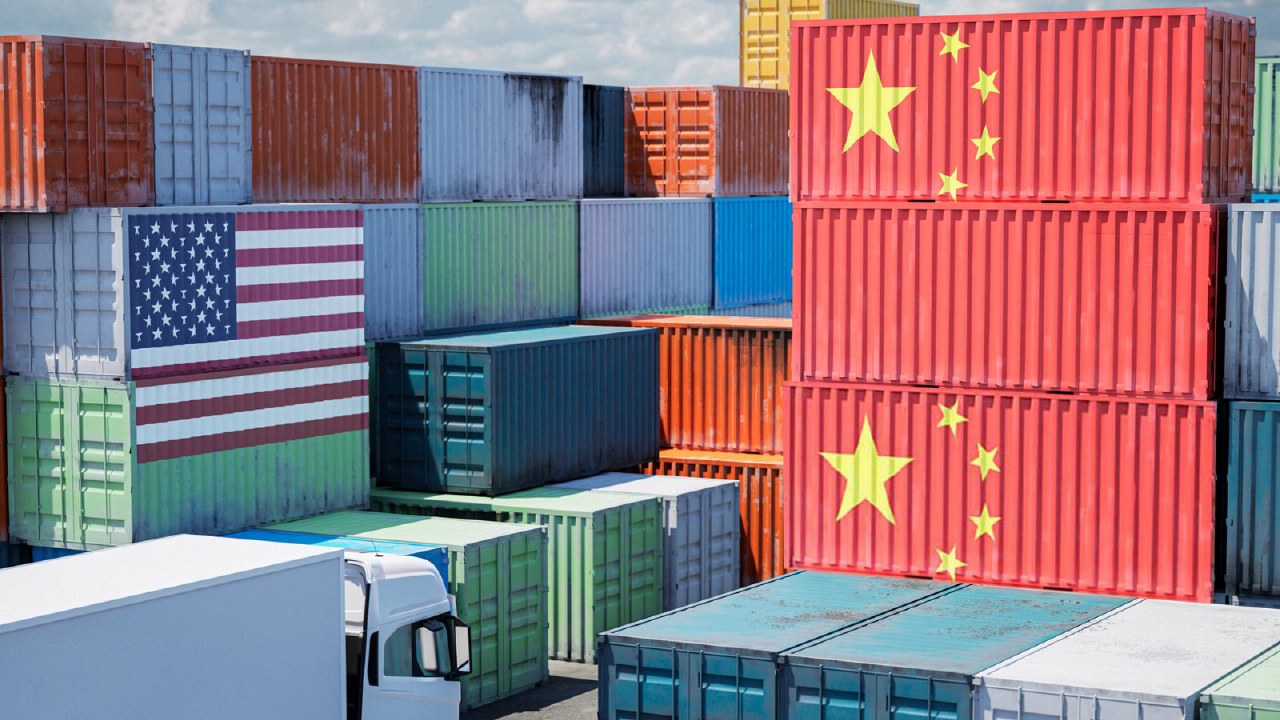
China is rapidly expanding its technological and manufacturing capabilities, challenging U.S. dominance across critical sectors from clean energy to consumer drones.

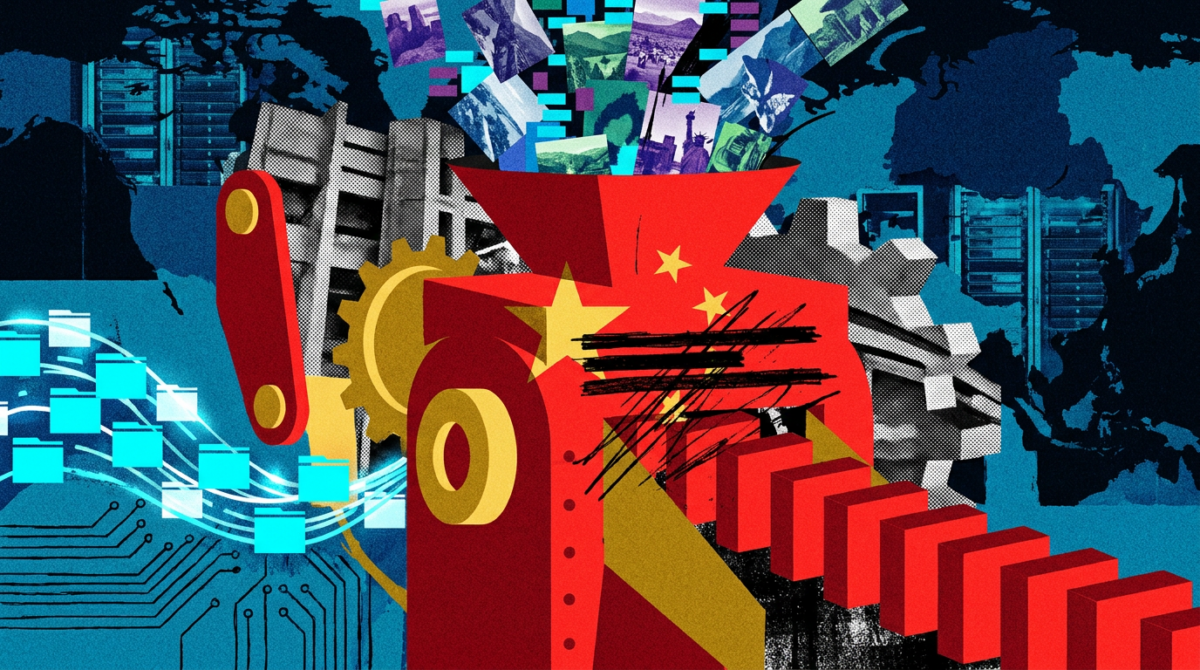
A new study by Aleph Alpha reveals that Chinese AI models frequently prioritize state doctrine or refuse to answer when confronted with politically sensitive topics.

Bitcoin experienced high volatility on October 1, swinging by $50 billion in market value amid US economic data and a tanker attack in the Strait of Hormuz.

President Donald Trump has ruled out joint AI development with China, citing a significant technological lead that the US intends to protect.

CEOs of Micron, Microsoft, and AMD met with the US president at a White House lunch as tech giants pledge billions in domestic investments amid ongoing export restrictions.

Bitcoin and Nasdaq futures fell as U.S. President Donald Trump signaled that further military strikes on Iran remain a possibility.

The US and China have established a dedicated hotline to manage AI-related risks, while private investment in the sector shows a massive gap between the two nations.

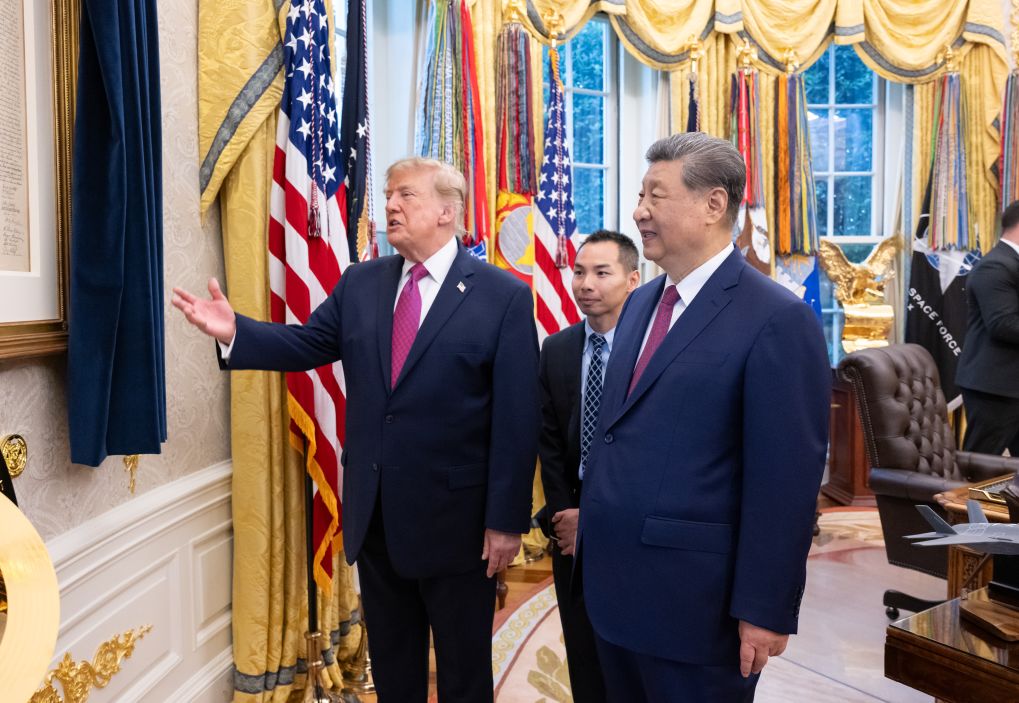
The state visit of Chinese President Xi Jinping to the White House highlights a growing divergence in energy strategies between the U.S. and China.

Brent crude prices climbed to $105.11 per barrel as diplomatic efforts between the US and Iran stalled at the UN General Assembly, maintaining supply concerns regarding the Strait of Hormuz.

The US government has seized three tankers carrying nearly six million barrels of crude oil valued at $600 million as part of an intensified campaign against shadow fleets.

Goldman Sachs has adjusted its December Brent crude oil forecast to $85 per barrel, citing supply constraints linked to Middle East geopolitical tensions.

Presidents Donald Trump and Xi Jinping are meeting in Washington to discuss AI safety protocols and competition, with major tech CEOs in attendance.

The OECD has downgraded Turkey's 2026 economic growth forecast to 2.7% due to regional conflict and rising commodity prices.

Wall Street indices declined as Brent crude prices reached $100.50 per barrel and U.S. 10-year Treasury yields rose to 4.96%–4.99% amid Middle East tensions.

The U.S. is investing billions to reduce reliance on China for rare earth elements, while Beijing uses export controls and targeted sanctions to maintain its supply chain dominance.